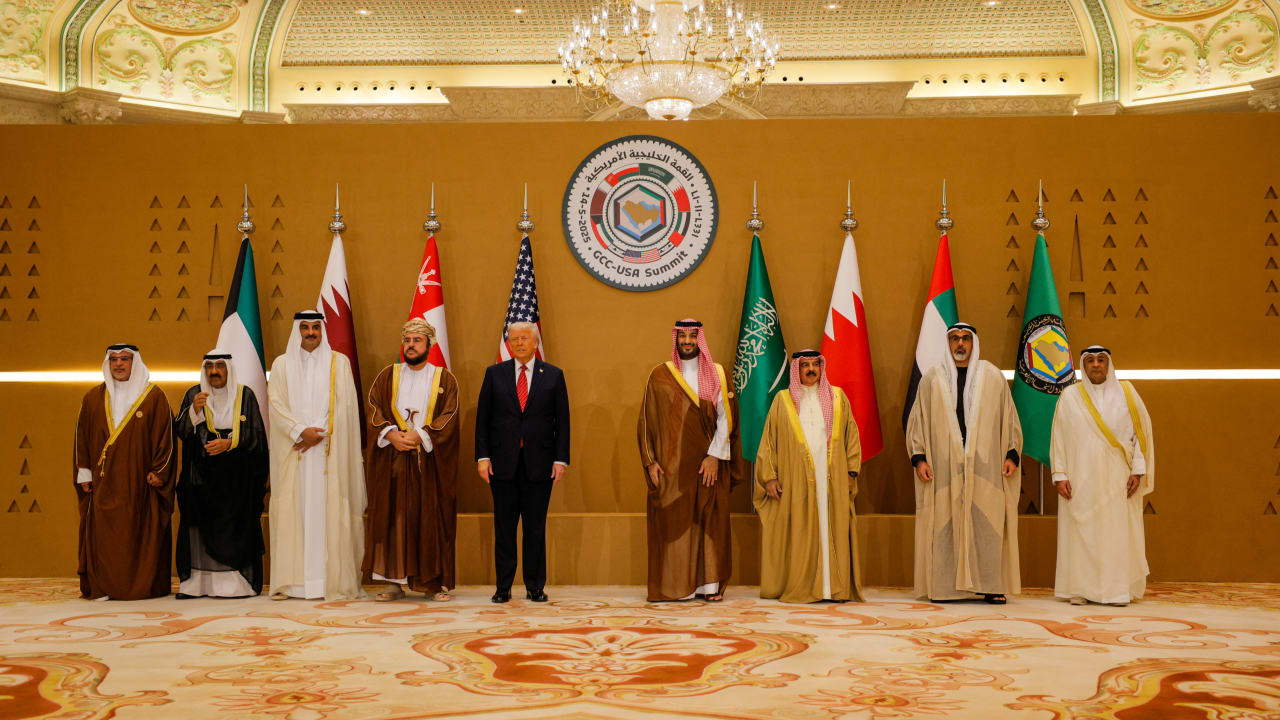
Last week, Jassim Mohammed Al-Badawi, the Secretary-General of the Gulf Cooperation Council (GCC), visited Iraq in a move aimed at addressing regional security concerns. His visit primarily focused on curtailing the activities of Iranian-backed militias operating within Iraqi territory, which have posed threats to Gulf states such as Saudi Arabia and Kuwait.
Seeking Stability in Iraq
As reported by Iraqi media outlet Shafaq News, Al-Badawi’s trip to Baghdad was intended to facilitate discussions about regional dynamics and reinforce the GCC’s commitment to preventing Iraqi soil from being used as a base for attacks against Gulf nations. “Al-Badawi will engage with Iraqi officials to stress the importance of Iraq steering clear of conflict,” the report highlighted. However, the success of his mission remains uncertain as no concrete results have been publicly disclosed.
Upon his arrival, Al-Badawi met with various Iraqi leaders, including Prime Minister Ali al-Zaidi, who has been focusing on disarming militia groups in an effort to stabilize the nation. This visit coincides with heightened tensions following the recent funeral of the influential Iranian leader, Ayatollah Ali Khamenei, signaling that Iran’s influence in Iraq is likely to continue amid internal strife.
The Threat of Iranian-Backed Militias
Iranian-backed militias have steadily emerged as a significant threat to regional peace and security. These groups have utilized Iraqi territory to launch drones and missiles targeting neighboring Gulf states, with recent aggressions directed at Saudi Arabia and the UAE marking a worrying escalation. Many of these militias are affiliated with the Popular Mobilization Forces and have long been hostile to US forces and the Kurdistan Region.
Iran’s strategy appears to be focused on opening multiple fronts of conflict, using Iraq as a pivotal arena to exert pressure on its adversaries. This pattern suggests that as Iran faces increased scrutiny, it is more likely to activate its militant proxies, thus complicating the security landscape in the region. The implication is clear: Baghdad needs to take decisive action to rein in these militia forces to avoid further escalations.
Future Implications for Iraq and the GCC
As diplomatic talks progress, the GCC leadership remains critical in navigating the complexities surrounding Iraq’s security challenges. The agenda for Al-Badawi’s visit included not just the immediate threat of militia activity but also the broader aim of promoting stability in Iraq. Engaging Iraq in cooperative agreements on various fields, including judicial matters, was part of the discussions. These efforts are crucial for long-term stability, as Iraqi territory must not be leveraged for attacks that potentially draw the GCC nations into conflicts.
Moving forward, the success of these negotiations is paramount. The situation in Iraq and its potential to destabilize the region hinges not only on local governance but also on the GCC’s influence and effectiveness in addressing internal and external threats. The stakes are high as the region grapples with underlying tensions and rising militancy, making the dialogue between Iraq and the GCC not just necessary but vital for peace.