
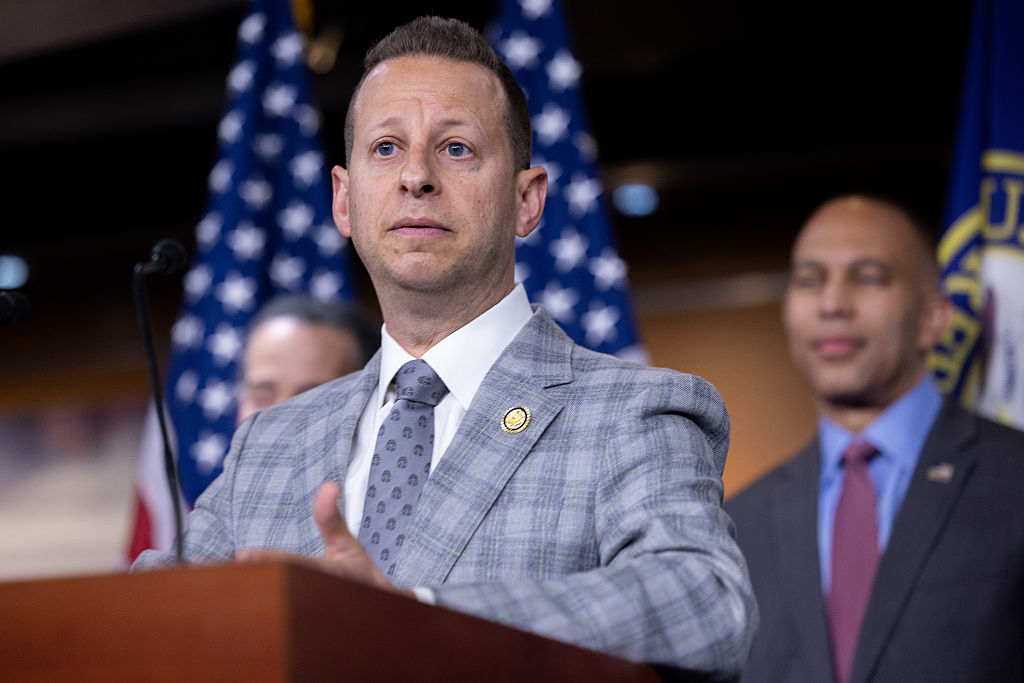
The growing divide within the Democratic Party has sparked a significant internal conflict, often framed as a struggle between socialists and progressives versus centrists. This contention, however, runs deeper; it also represents a clash between the party’s establishment and its core supporters. The party leadership’s recent decisions demonstrate that they may be overlooking the voices of their own voters in favor of aligning with right-wing ideologies.
Leadership Decisions and Voter Sentiment
Evidence of this disconnect can be seen in the Democratic leadership’s push to place Jared Moskowitz in key positions concerning foreign policy if they regain control of the House. Moskowitz himself has made statements indicating he aims to influence U.S. policy regarding Israel. Despite the overwhelming opposition from Democratic voters who largely support cutting military aid to Israel, the party appears to be doubling down on a strategy that seems out of touch with its constituents. Recent polling shows over 60% of Democratic voters want their next presidential candidate to take a firmer stance against Israel’s actions, yet party leadership seems poised to ignore these demands.
Moskowitz’s background as a staunch supporter of pro-Israel policies poses a significant challenge to the Democratic electorate’s views. His history of aligning with right-wing groups, such as the American Israel Public Affairs Committee (AIPAC), has earned him criticism within his own party. To add to the controversy, he has repeatedly voted against calls for a ceasefire amid escalating violence. This shift not only alienates voters but also signals a troubling trend of prioritizing party loyalty over ethical consensus among the electorate.
The Impact of Moskowitz’s Policies
As Moskowitz gains influence, it becomes clear that his policies could affect U.S. foreign relations significantly. His opposition to conditions on U.S. aid to Israel raises questions about ethical governance and human rights. Notably, he has been involved in efforts to obstruct transparency about civilian casualties in conflict zones, further distancing himself from the values many Democrats hold dear. By aligning himself so closely with the far-right establishment, he risks creating a rift that could have lasting implications for policy and voter trust.
The implications go beyond Israel and spill into broader foreign policy concerns. Rep. Hakeem Jeffries’s endorsement of Moskowitz could indicate a troubling alignment with policies reminiscent of Trump-era actions, particularly concerning the Iran War. By placing conditional support for military engagements over the electorate’s expressed concerns, the party risks undermining its credibility with voters who feel abandoned.
A Strategy in Conflict with Voter Interests
Moskowitz’s recent actions on related issues raise alarms about the Democratic establishment’s priorities and direction. His voting record indicates an unwillingness to advocate for cooling tensions, revealing a preference for militaristic solutions rather than diplomatic ones. This approach not only contradicts public opinion within the party but also aligns him with views that are becoming increasingly unpopular.
The decision to elevate figures like Moskowitz reflects a larger trend among Democratic leaders to prioritize corporate alliances and donor interests over grassroots support. While this may offer temporary political cover for a leadership that is out of sync with voter sentiments, it threatens to alienate voters further and deepen existing divides. The strategy may yield short-term gains but ultimately risks long-term viability by repeatedly sidelining the will of the electorate.
In conclusion, the choices made by party leadership regarding candidates like Moskowitz suggest a troubling trajectory for the Democratic Party. This “civil war” within the party serves as a poignant reminder that putting corporate interests before voter preferences could lead to disastrous political and foreign policy choices. As the political landscape continues to shift, it is crucial for leaders to heed the voices of their constituents if they wish to maintain support and credibility within the increasingly complex world of modern governance.