
On Tuesday, Democratic leaders in the House made a significant shift by supporting a resolution that opposes U.S. involvement in Israel’s conflict with Lebanon. This change marked a pivotal moment in the political landscape, showcasing an increasing willingness among Democrats to scrutinize U.S. actions in the region during a time of escalating hostilities.
Changing Dynamics in Congressional Support
The resolution, introduced by Representative Rashida Tlaib of Michigan, previously faced a setback, failing with a vote of 235 to 189. This time, 187 Democrats rallied behind it, while only 22 opposed it, indicating a considerable shift in sentiment within the party. The overwhelming Democrat support stands out against the backdrop of near-total Republican opposition to the measure. Tlaib’s resolution is notable as it represents the second attempt to compel the House to respond to the ongoing conflict in Lebanon, which Israel claims is aimed at combating Hezbollah but has resulted in significant human suffering, with many lives lost and millions displaced.
The Role of the War Powers Act
The backdrop to the resolution’s passage is the War Powers Act of 1973, which empowers any congressional member to call for a vote on U.S. military involvement in conflicts. Critics have raised concerns that U.S. military assistance has played a role in Israel’s actions in Lebanon, suggesting complicity in what they perceive as aggressive actions. U.S. Central Command, responsible for military oversight in the Middle East, has not commented on these allegations. Earlier this month, Tlaib’s initial war powers resolution regarding Lebanon faced dismissal amid fears that it might inadvertently restrict U.S. protections or aid to the Lebanese military.
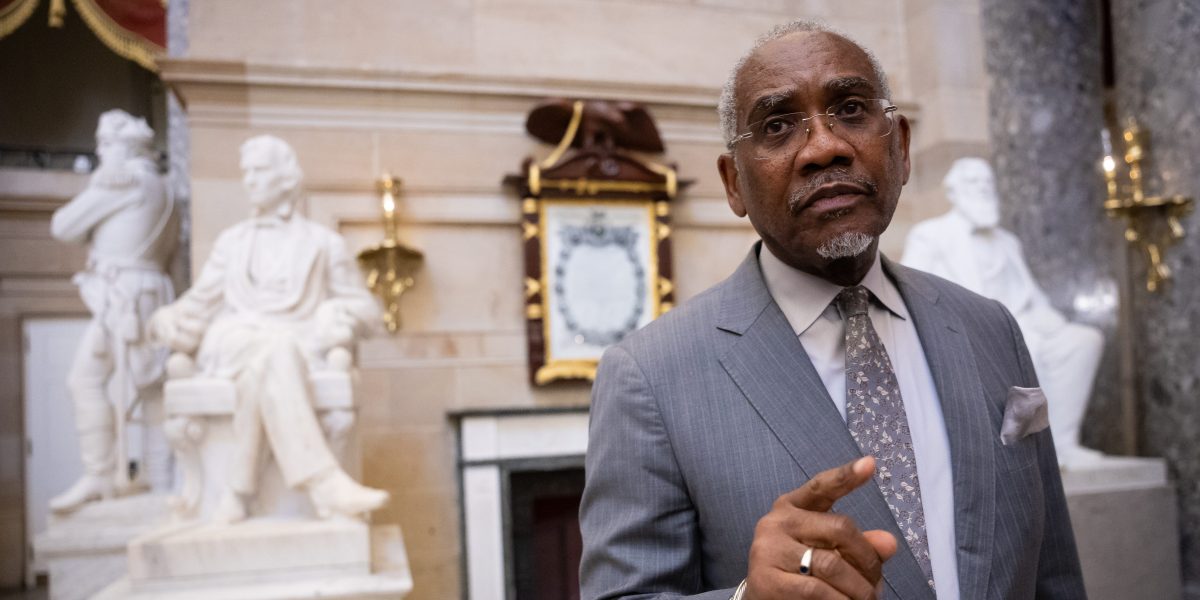
In response to these concerns, the current iteration of Tlaib’s resolution includes specific provisions meant to safeguard U.S. support for embassy operations and aid to the Lebanese Armed Forces, thereby gaining backing from House Democratic leadership. Notably, Representative Gregory Meeks, a senior member of the House Foreign Affairs Committee, expressed his support for the measure, although opinions among Democrats about its implications were varied.
Voices from Congress
In defense of the resolution, Tlaib underscored the need for the U.S. to withdraw its support from actions that could be construed as war crimes, referencing inflammatory remarks made by Israeli officials as evidence of aggressive intent. She asserted that U.S. actions must be reevaluated to ensure they do not contribute to the ongoing violence in Lebanon. Tlaib argued firmly that the U.S. is not a passive observer but rather an active participant in these conflicts.
Conversely, industry critics, including Rep. Brian Mast of Florida, disparaged the resolution for potentially empowering Hezbollah and emphasized that no U.S. troops are directly involved in fighting. This division within Congress reflects a broader debate over the U.S.’s role in international conflicts, especially ones that involve complex geopolitical relationships in the Lebanon-Israel context.
Implications for Democratic Leadership
The growing support for Tlaib’s resolution from Democratic leadership is seen as a significant indicator of changing perspectives within the party. Advocates for humanitarian considerations emphasize the need for Congressional acknowledgment of the humanitarian crisis triggered by the war in Lebanon as a step toward genuine peace discussions. Erik Sperling, from Just Foreign Policy, welcomed the increasing Democrat alignment with the resolution, reinforcing the sentiment that American representatives must act in consideration of international humanitarian principles.
This sentiment suggests that the Democratic Party is increasingly recognizing its responsibility to address complex international conflicts in a manner consistent with humanitarian values and legal principles, potentially redefining its approach to U.S. foreign policy in the Middle East for years to come.