
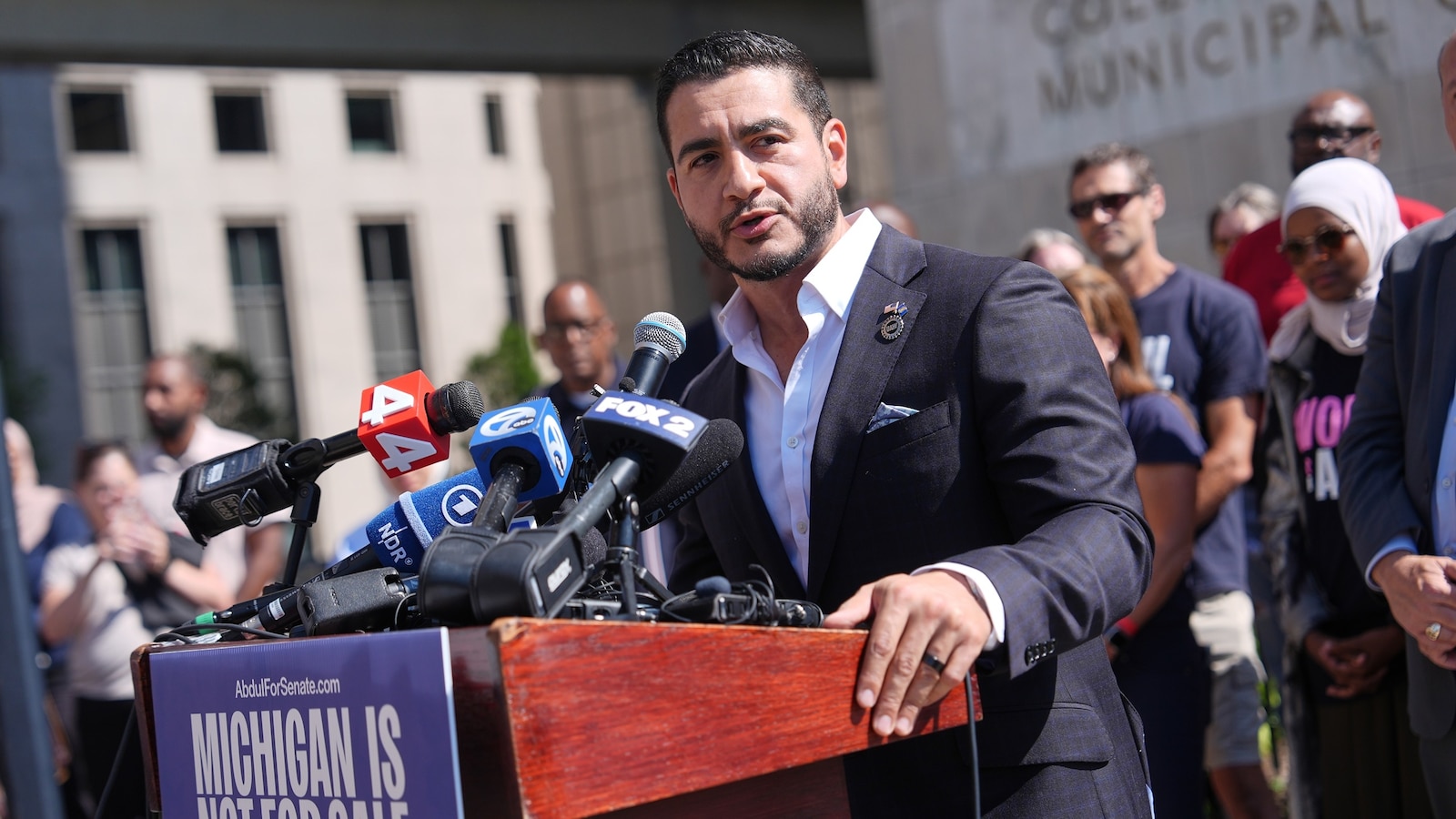
Abdul El-Sayed’s recent triumph in Michigan’s Democratic Senate primary is poised to amplify Arab American voices within the Democratic Party, particularly in light of Michigan’s newly influential position in the 2028 presidential nominating calendar. Esteemed party members believe El-Sayed’s success signifies a pivotal moment for representation and influence in the Democratic landscape.
Significance of Michigan’s Early Nominating Position
Michigan, with a sizable Arab American population nearing 300,000, may regain its early spot in the presidential nomination calendar for the second consecutive time. The state is likely to follow South Carolina, Nevada, New Hampshire, New Mexico, and Virginia. This strategic placement approved by the Democratic National Committee highlights the changing dynamics and growing importance of Michigan in national politics.
As discussions surrounding Michigan, the Middle East, and U.S. relations with Israel intensify, El-Sayed’s campaign—centered on ending U.S. aid to Israel—could solidify him as a crucial figure for presidential candidates seeking support in 2028. Winning the battleground state in November could provide El-Sayed with leverage that other contenders may find essential for appealing to a diverse electorate.
Backing and Support for El-Sayed
El-Sayed’s candidacy has garnered endorsements from significant political figures, including former Vice President Kamala Harris and California Governor Gavin Newsom. He recently campaigned alongside former Transportation Secretary Pete Buttigieg, and other Democratic leaders like Senator Mark Kelly have also expressed their support. Such high-profile endorsements boost El-Sayed’s visibility and amplify the urgency for presidential candidates to engage meaningfully with Arab American communities, especially in light of shifting sentiments regarding Middle Eastern policies.
The political climate has notably evolved since the 2024 primary cycle, with a growing frustration over the Biden administration’s handling of various issues, including the Israel-Palestine conflict. The “Uncommitted” protest movement, which gained traction in Michigan, shows the increasing discontent among Democratic voters related to U.S. foreign policy. As 2028 approaches, Democratic candidates will need to articulate their positions on U.S. foreign policy, particularly regarding Israel, well before the primaries commence.
Changing Perspectives on U.S. Support for Israel
Recent findings, such as a July AP-NORC poll, reveal a significant number of Americans, including a growing majority of Democrats, feel the U.S. is overly supportive of Israel. This change indicates a shifting mindset within the party, where more Democrats are seeking a balanced approach toward Israel and Palestine. In April, many Democrats voted to restrict military sales to Israel, and similar motions are gaining traction within legislative dialogues.
Despite past legislative efforts being thwarted, these developments signal an important departure from the once-solid consensus of support for Israel within the party. As candidates prepare for the upcoming election, they must consider these evolving attitudes among constituents. The ability to resonate with voters on such complex and emotionally charged issues may be key to forging a robust connection with various communities, including Arab Americans.
Building Bridges in a Diverse Electorate
Michigan’s diverse demographic landscape necessitates that candidates pay close attention to the varying needs and preferences of all communities within the state. With significant populations of Black residents and Latinos alongside unionized workers, understanding the multifaceted issues at play will be critical for success.
Michigan Democratic Party Chair Curtis Hertel emphasizes the importance of appealing to all constituents and avoiding oversimplifying the reasons behind the party’s performance in past elections. Therefore, candidates must work diligently to forge connections across party lines and identify common ground, particularly as varied voices within the electorate push for a more inclusive dialogue. Utilizing the leadership potential seen in figures like El-Sayed could provide a path forward for the Democratic Party that embraces diversity and multifaceted perspectives leading into the critical 2028 election cycle.