
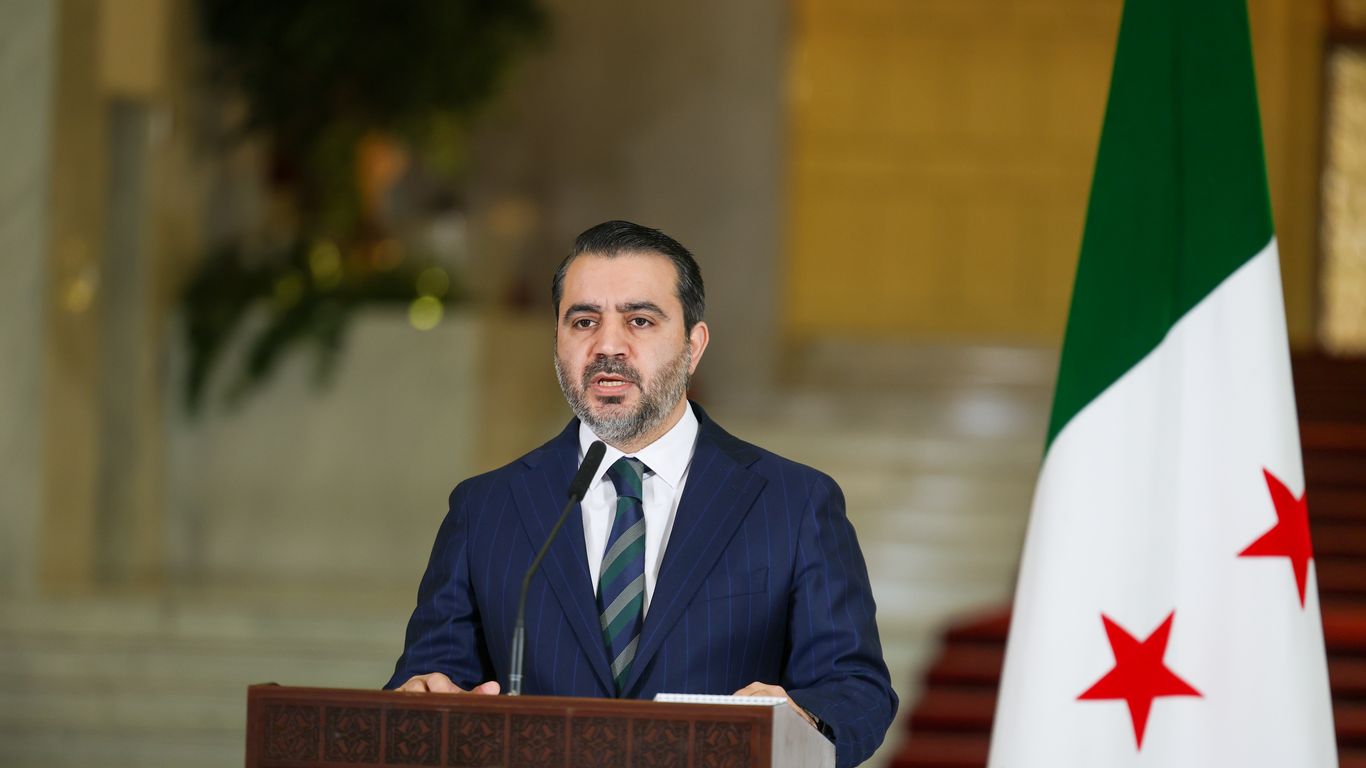
Syria’s response to recent airstrikes showcases the ongoing tensions in the region, as each nation stands firm in its narrative regarding the incidents. Israel’s defense of its actions contrasts sharply with Syria’s condemnation, highlighting the complexities of geopolitical relations in the Middle East.
Understanding the Context of Airstrikes
Airstrikes in Syria are not uncommon, often attributed to Israel’s attempts to thwart Iranian influence and military presence near its borders. Israel maintains that these operations are essential for its national security, aiming to destabilize enemy infrastructures that pose a direct threat. Conversely, Syria views these strikes as violations of its sovereignty and international law. This dichotomy is reflective of a broader conflict involving multiple stakeholders, including regional and global powers, each with their own interests in the dynamics of the area.
The Justifications and Repercussions
When Israel executed the recent strikes, officials emphasized the necessity for preemptive measures. They argue that preventing Iran from establishing a foothold in Syria is paramount for Israeli safety. This rationale is rooted in a history of hostilities and perceived threats between the two nations. In return, Syria’s government has voiced vehement opposition, labeling the attacks as unjust and provocative. The fallout from these military actions often extends beyond immediate damage, exacerbating the ongoing humanitarian crisis and stoking further unrest in a region that is already fragile.
The Impact on Regional Stability
The continuing exchanges of airstrikes contribute to an environment fraught with instability. Civilians in Syria bear the brunt of these military engagements, facing the repercussions of international power plays. Escalating violence disrupts daily life, leaving many in dire situations. The broader implications for regional stability cannot be understated, as recurrent conflicts may ignite wider hostilities among allied and rival nations. The international community’s response—or lack thereof—could either mitigate or exacerbate an already volatile situation.
Looking Ahead: The Potential for Diplomacy
As tensions escalate, the potential for diplomatic solutions becomes increasingly critical. Engaging in dialogue could pave the way for de-escalating hostilities between Israel and Syria, allowing for more constructive relations moving forward. Initiatives that involve neighboring countries and international organizations might provide a platform for negotiating peaceful resolutions. The urgency for such diplomatic endeavors is underscored by the ongoing humanitarian crises and geopolitical complexities that define the region.
The competing narratives between Israel and Syria bring to the forefront the multifaceted nature of conflict in the Middle East. Acknowledging the nuances of these dynamics is essential for anyone seeking to understand or address the challenges that persist in this intricate geopolitical landscape. As history indicates, the path to peace often hinges on dialogue, mutual understanding, and a commitment to resolving disputes that have plagued the region for decades.