
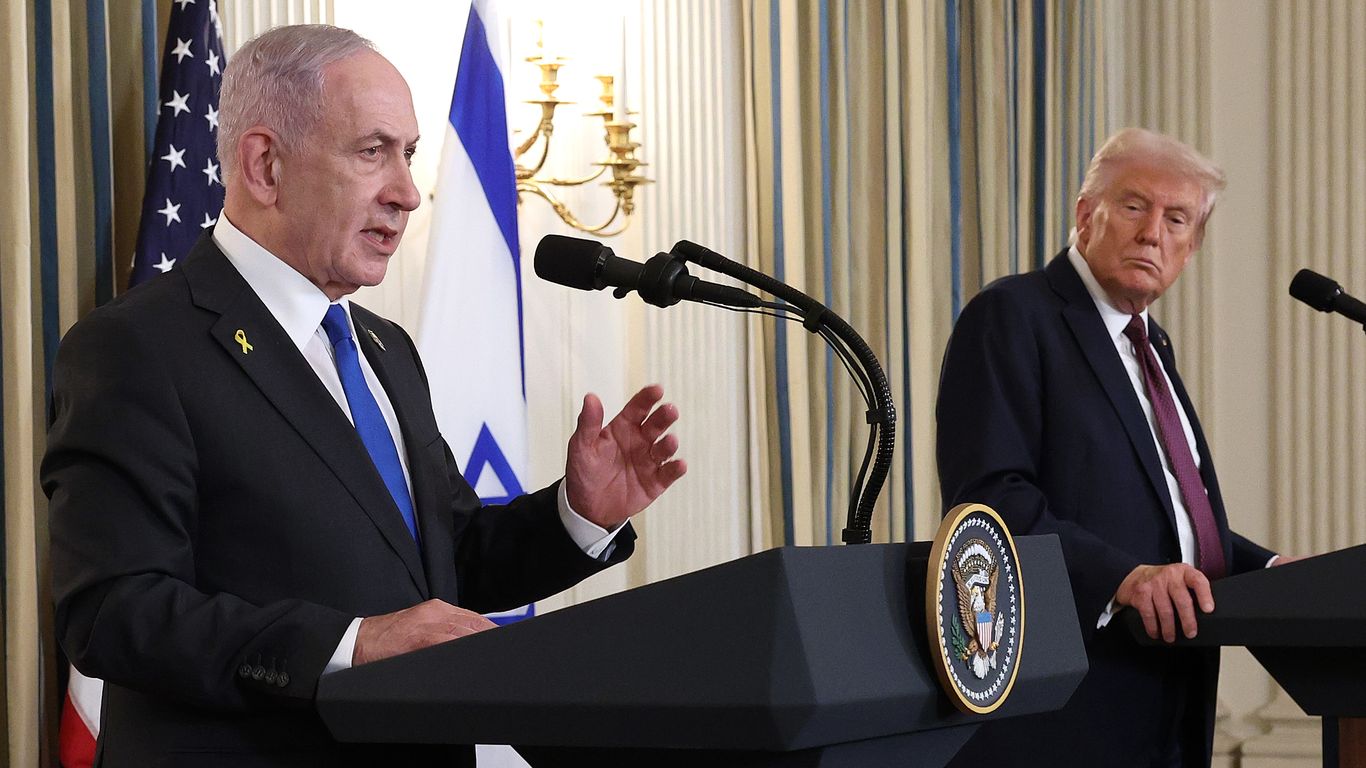
Former President Donald Trump has recently urged Israeli Prime Minister Benjamin Netanyahu to withdraw troops from Syria and Lebanon. This request highlights the ongoing complexities of the geopolitical landscape in the Middle East and the importance of military positioning in relation to regional security and diplomatic relations.
Understanding the Context of Military Presence
The presence of troops in Syria and Lebanon has longstanding historical roots. Israel’s military involvement in these nations often stems from security concerns regarding hostile neighboring groups, particularly Hezbollah in Lebanon and various factions in Syria. Trump’s request to Netanyahu signals a potential shift in strategy, encouraging a re-evaluation of Israel’s military stance in these volatile regions. This request could signify a broader policy change that aims to promote stability by ensuring that military forces are not entrenched in areas with high tensions.
Implications for Israeli Defense Strategy
Netanyahu’s response to Trump’s suggestion could have significant consequences for Israel’s defense strategy. The Israeli leadership must carefully assess the risks associated with withdrawing troops from both Syria and Lebanon. Concerns about increased aggression from adversarial forces, particularly Hezbollah, may weigh heavily in any decision-making process. The possibility of a power vacuum emerging from a troop withdrawal could encourage militant groups to increase their activities, potentially jeopardizing both Israeli and regional stability.
Impact on U.S.-Israel Relations
Trump’s request can also be viewed within the context of U.S.-Israel relations. Since the inception of his presidency, Trump has consistently expressed strong support for Israel. However, advocating for troop reductions may indicate an emphasis on encouraging allies to pursue more independent military operations. This request could test the dynamics of the partnership between the two nations, as Israel weighs its security needs against external expectations. The nature of the current U.S. administration and its foreign policy objectives will also play a critical role in influencing Israel’s decisions moving forward.
The Broader Geopolitical Landscape
As tensions continue to rise in the Middle East, understanding the geopolitical ramifications of military deployments remains crucial. A withdrawal of Israeli troops from Syria and Lebanon could alter the balance of power among regional actors. Neighboring countries may react differently to a vacuum created by a reduced military presence, affecting alliances, insurgent activities, and diplomatic negotiations. Additionally, the international community will monitor the situation closely, as any instability in these regions has the potential to affect global security and economic conditions.
In conclusion, Trump’s request for Netanyahu to reconsider Israel’s military presence in Syria and Lebanon underscores the intricacies of Middle Eastern affairs. The implications are far-reaching, affecting not only Israeli defense strategies but also U.S.-Israel relations and broader regional stability. The decision ahead will require careful deliberation, weighing immediate military considerations against long-term peace objectives. As history illustrates, the balance of power in the Middle East is delicate, and any changes in military policies could have significant consequences for all parties involved.