
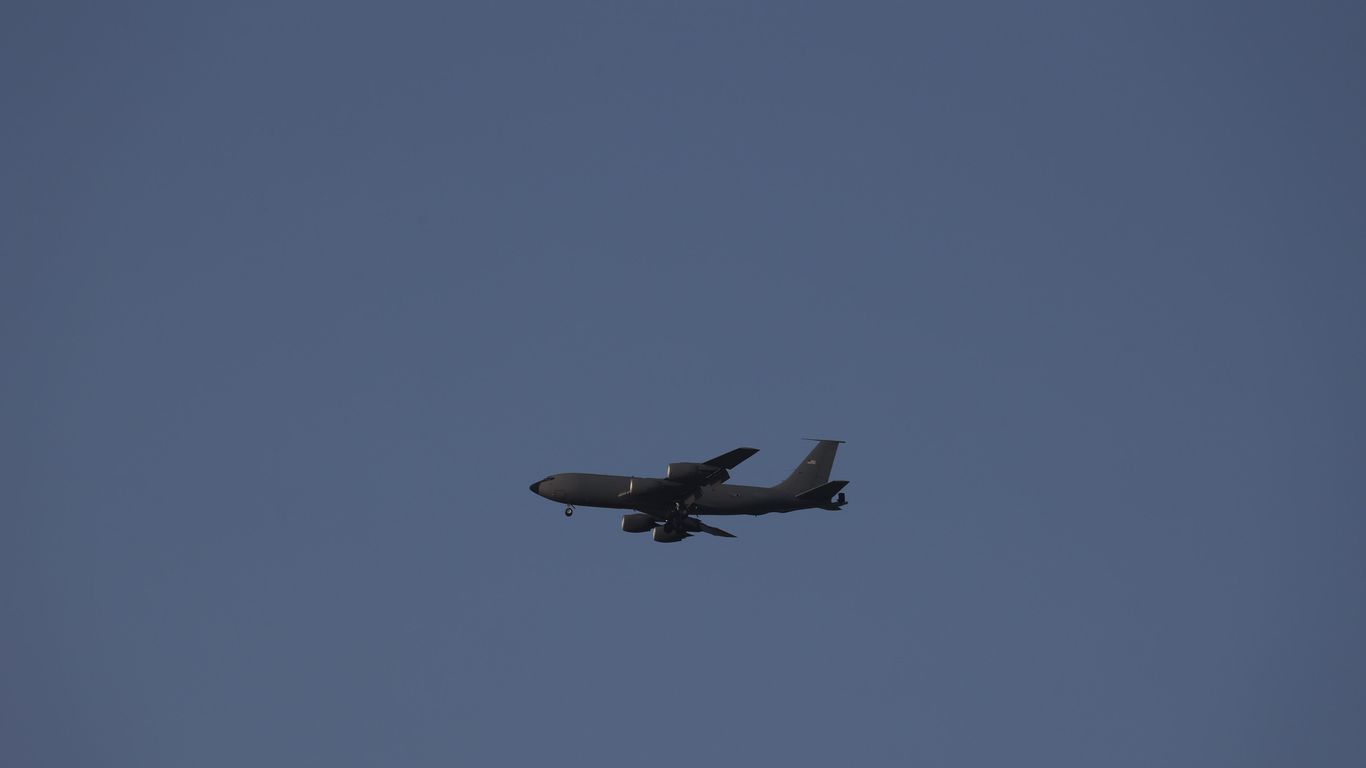
The United States is ramping up its military support for Israel in response to increased tensions with Iran. This strategic decision aims to bolster Israel’s defense capabilities at a time when the geopolitical landscape is becoming increasingly volatile. The deployment of additional refueling aircraft is a critical step in strengthening the operational readiness of U.S. and Israeli forces.
Increased Military Support for Israel
As regional conflicts escalate, the U.S. has made the commitment to send more refueling planes to Israel, enhancing their aerial capabilities. Refueling aircraft play a vital role in extending the range and endurance of military missions, allowing forces to conduct longer operations without needing to return to base for fuel. This enhancement is particularly crucial in scenarios involving potential confrontations with Iran, where rapid and sustained military response can be essential.
The decision to increase military aid reflects a long-standing alliance between the U.S. and Israel, emphasizing the importance of maintaining stability in the Middle East. By equipping Israel with additional resources, the U.S. aims not only to deter aggressions but also to reassure its ally of its unwavering support amidst external threats.
Strategic Implications of the Deployment
The deployment of more refueling planes is part of a broader strategy to ensure that Israel remains prepared for any military engagement that may arise. With the possibility of escalation in tensions with Iran, having a robust aerial fleet capable of operational flexibility is paramount. Such readiness can serve as a deterrent to hostile actions from adversaries in the region.
Moreover, this military support demonstrates the U.S.’s commitment to countering Iranian influence in the Middle East. Iran has been involved in several activities that destabilize the region, from supporting proxy groups to engaging in military provocations. By strengthening Israel’s defenses, the U.S. sends a message that it will not tolerate threats to its allies or to regional stability.
Future Considerations and Regional Stability
As the U.S. moves forward with this deployment, the broader consequences for regional dynamics must be contemplated. Increased military presence in an already tense area may provoke further actions from Iran and its allies, potentially leading to an arms race or heightening existing tensions. The situation requires careful monitoring to ensure that the military enhancements do not inadvertently escalate into larger conflicts.
While military support is vital, it is also essential for diplomatic efforts to accompany these actions. Engaging in dialogue and seeking peaceful resolutions should remain a priority alongside any military readiness. Balancing military readiness with diplomatic initiatives will be crucial in fostering a more stable Middle East and reducing the risk of conflict.
In summary, the U.S.’s decision to send additional refueling planes to Israel underscores its ongoing commitment to supporting its ally amidst rising tensions with Iran. By fortifying Israel’s defense capabilities, the U.S. aims to deter potential threats while also addressing the complex geopolitical landscape of the region.