
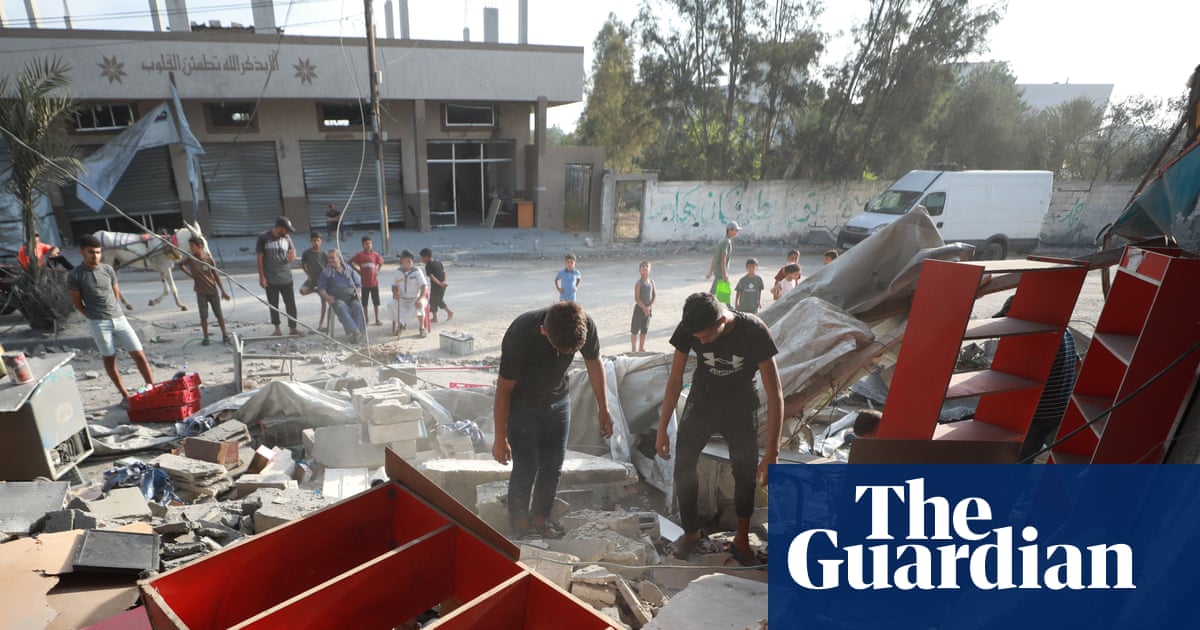
An Israeli airstrike targeting a funeral in the Gaza Strip has resulted in a tragic loss of life, claiming the lives of at least seven individuals and leaving 22 others injured. This latest incident underscores the ongoing violence in the region, as conflicting factions continue to engage in hostilities despite previous agreements aimed at easing tensions.
Details of the Airstrike Incident
The airstrike took place during a funeral service for a Palestinian who was killed in a prior Israeli attack that same day. Local medical sources from Al-Awda hospital in the Nuseirat refugee camp confirmed the casualties, highlighting the dire consequences of the violence that has afflicted the area. As of now, there has been no official response from the Israeli military regarding this recent incident.
Ceasefire Context and Current Death Toll
In October, a ceasefire was negotiated between Israel and Hamas, designed to end two years of intense conflict. While the most severe fighting appears to have diminished, the toll is still alarming; Gaza’s health ministry reports at least 1,123 fatalities since the truce came into effect. This high death toll suggests that the ceasefire may not be as effective as hoped, with ongoing military actions leading to further loss of life.
UN Reports on Violence Against Civilian Populations
Independent organizations and the United Nations have been closely monitoring the situation, with the latter conducting inquiries into the violence. There have been troubling reports indicating that Israeli forces may be targeting children and civilians in their military operations. These allegations have raised serious concerns about potential violations of international laws and human rights.
Background on the Conflict
The roots of this conflict can be traced back to a Hamas-led offensive on Israel on October 7, 2023, which resulted in around 1,200 Israeli casualties and numerous hostages being taken. Following this, Israel launched an aggressive military campaign in Gaza, which the health ministry estimates has led to over 73,000 Palestinian deaths, including those who have died during the ceasefire period. This staggering number reflects the ongoing humanitarian crisis and the profound impact of the conflict on civilian lives.
As the situation continues to develop, the international community remains vigilant. With the potential for further violence looming, calls for peace and dialogue are more urgent than ever. Ultimately, the hope for a lasting resolution lies in addressing the root causes of this longstanding conflict and fostering an environment conducive to reconciliation and healing.