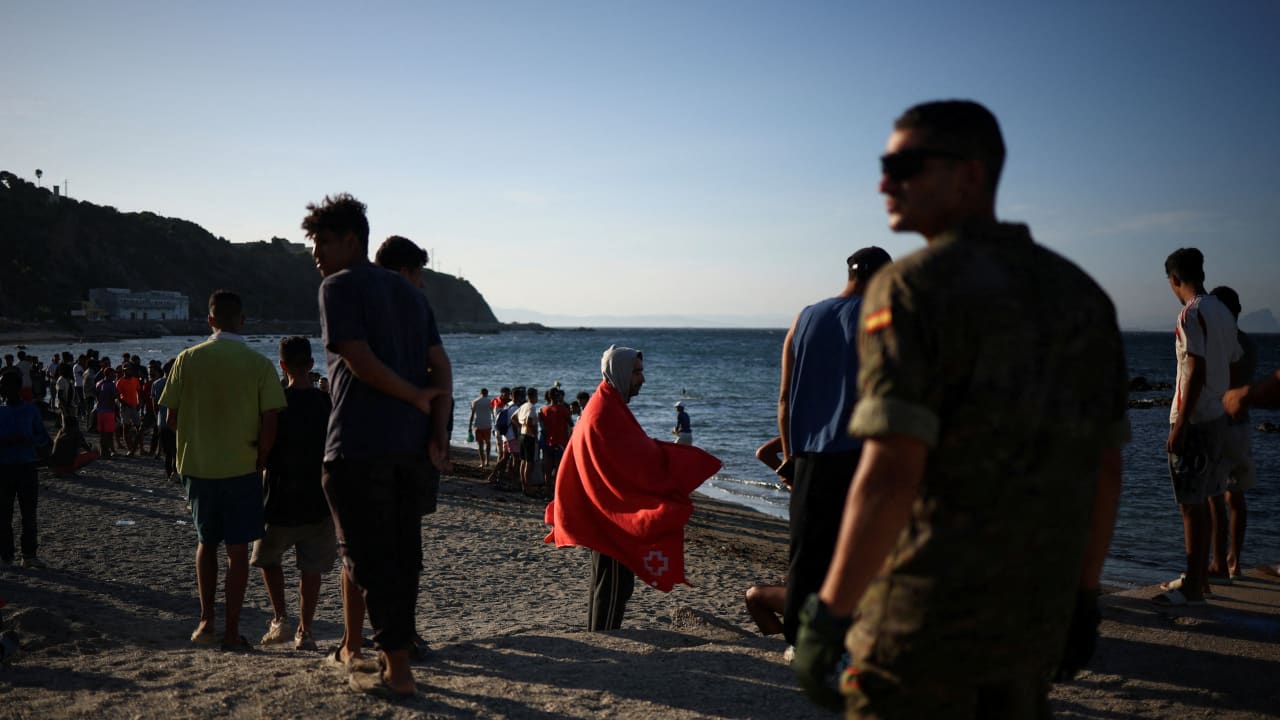
There are two Spanish cities located on the African continent, Ceuta and Melilla, which have remained under Spanish control for over four centuries. Their unique positioning allows them to be both part of Europe and Africa, each surrounded by Moroccan territory. The geopolitical dynamics of this region have significant implications, particularly for the youth attempting to cross from Morocco into these Spanish enclaves.
Risky Journeys and Tight Timelines
Young individuals seeking a better life often face perilous conditions as they try to navigate through the areas where fences separate them from Spanish soil. When they choose to climb these barriers, they are racing against the clock. They possess only about two and a half minutes to reach safety before Spanish authorities arrive, ready to deport them back to Morocco. Those who manage to reach the refugee center within this brief window find themselves in a place of relative security. Successfully reaching this point means they will not be sent back, opening up pathways for them to eventually move to Europe and chase their dreams.
The Complex Web of Blame
According to analysts, conspiracy theories have gained traction, suggesting that Israel has a hand in the immigrant crisis affecting these regions. The narrative gains steam due to established alliances between Israel, Morocco, and the United States. It’s noted that Spanish Prime Minister Pedro Sánchez has been vocal in his criticism of Israel, which some interpret as an effort to shift Spain’s historically cooperative ties with Israel. This political backdrop adds layers to an already intricate problem as different countries and various leaders navigate their international relationships amid a growing immigration crisis.
The Role of Morocco’s Monarchy
King Mohammed VI of Morocco has also come under scrutiny, with some attributing the tensions to his dissatisfaction regarding the Spanish government’s close relations with Algeria, a historical rival of Morocco. This tension suggests that the King might be sending a message to Sánchez, indicating the potential fallout of compromising on matters related to Algeria, particularly since Spain relies heavily on Algerian gas, sourcing about 40% of its energy from there. This interdependence complicates the political landscape even further.
A Growing Crisis on the Horizon
The situation is set to escalate, with experts predicting that the looming refugee crisis will intensify. Africa boasts a population of 1.5 billion, predominantly composed of young individuals facing bleak prospects. Cymerman posits that Europe is on the brink of confronting a massive influx of African youth desperate to secure a better future. Europe must grapple with this humanitarian aspect while also considering its capacity to accommodate a significant surge in incoming individuals seeking refuge.
In sum, the circumstances surrounding Ceuta and Melilla reflect broader geopolitical and humanitarian challenges. With complex relationships between nations and escalating social pressures in Africa, the future holds many uncertainties. The need for strategic planning and cooperation among European nations is imperative to address this ongoing crisis effectively.