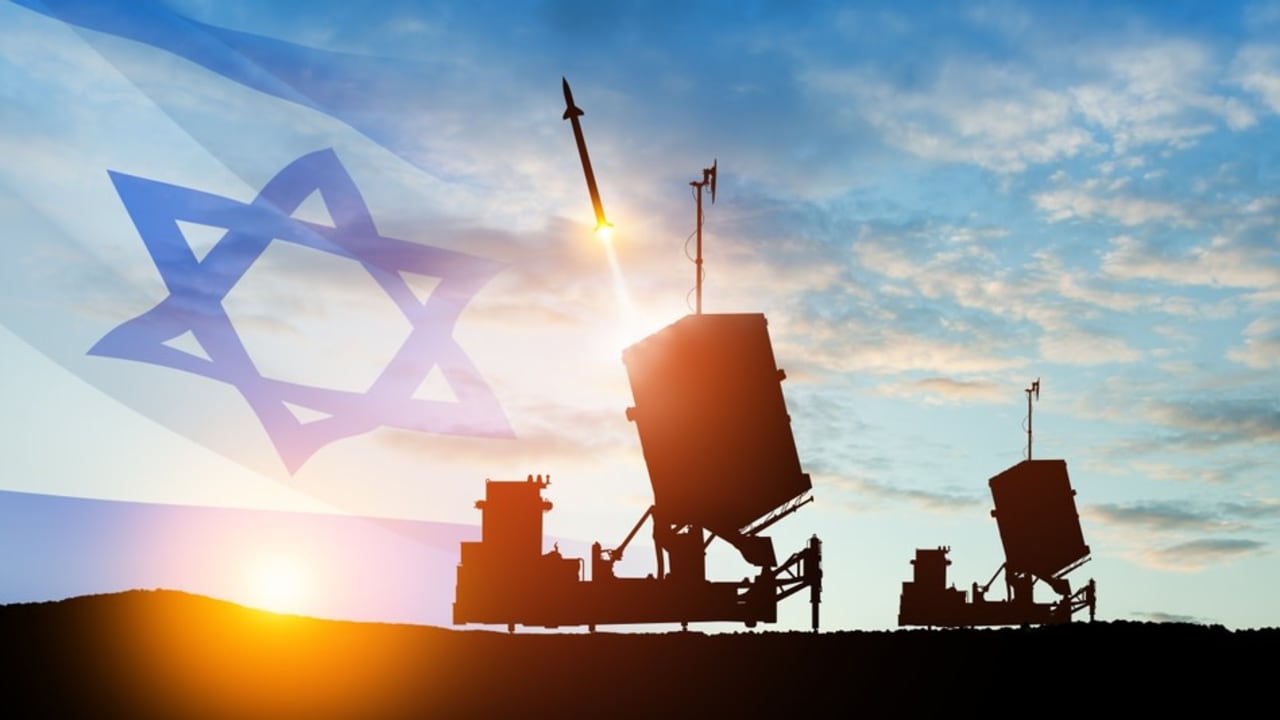
The quest for innovation in defense technology consistently pushes boundaries, revealing insights that can redefine military capabilities. Renowned aerospace scientist Theodore von Kármán aptly captured this spirit: “Scientists discover the world that exists; engineers create the world that never was.” Today, numerous Israeli defense tech startups embody this philosophy, working tirelessly to transform pioneering research into practical applications, garnering attention from the Pentagon, which has various programs poised to facilitate their growth.
Key Opportunities at AUSA
In October, the Association of the United States Army (AUSA) will host its annual expo in Washington, D.C. With over $200 billion directed toward land-warfare advancements, the US Army stands as the largest global purchaser of military technology. For Israeli firms equipped with combat-ready technologies, participating in such significant events provides an unparalleled platform. Familiarizing oneself with Pentagon initiatives could prove beneficial, opening doors to lucrative market entry points within the United States.
These initiatives primarily foster the expansion of America’s defense capabilities, but they also offer opportunities for international startups. Israeli companies aiming to establish a presence in the U.S. should actively engage with program managers, enabling access to funding, validation, and avenues for future procurement. These connections can serve as critical catalysts for the broader adoption of Israeli technologies in American military applications.
Innovative Programs Supporting Startups
One notable initiative is the Army’s Pathway for Innovation and Technology (PIT), established to enhance engagement with tech innovators. This program seeks to streamline collaborations between the Army and industry players, accelerating the implementation of advanced capabilities. Coupled with PIT, the FUZE initiative allocates significant resources, around $750 million annually, to scout, evaluate, and invest in promising technological advancements aimed at enhancing operational readiness.
Within this portfolio, programs like the Small Business Innovation Research (SBIR) and Small Business Technology Transfer (STTR) fund startups while focusing on areas crucial for national security, such as artificial intelligence and logistics. Various military branches operate distinct SBIR/STTR initiatives, allowing for targeted funding aligned with their specific requirements.
DefenseWERX and Access to Testing Facilities
DefenseWERX acts as a conduit, connecting the defense sector with innovative companies via regional hubs across the United States. These platforms foster collaboration among various military branches and enable startups to access funding mechanisms and other support forms such as Cooperative Research and Development Agreements (CRADAs).
Moreover, the Army Test and Evaluation Command (ATEC) recently opened its premier testing facilities to the private sector, allowing startups to validate their technologies within realistic military environments. This significant policy change means companies can now book tests through an accessible portal, potentially with assistance from Army funding programs. Though primarily available for U.S. businesses, foreign companies may also benefit, contingent on regulatory approvals.
Funding Opportunities and Emerging Technologies
Several additional funding paths are available that prioritize critical technology advancements, including those for munitions and hypersonics. Programs like the Joint Enhanced Munition Technology Program offer vast resources aimed at supporting research and scaling production. Meanwhile, the Pentagon’s Office of Strategic Capital can provide debt financing to projects demonstrating technical viability.
As the dynamics of defense technology continue to evolve, the White House’s National Security Science & Technology Strategy underscores the importance of foreign investments in advancing U.S. military capabilities. With priorities focused on undersea capabilities, space, and artificial intelligence, Israeli Defense Tech companies are uniquely positioned to contribute significantly in areas where they already excel.
Navigating the nuanced landscape of the defense industry can be complex, particularly for international entities. Therefore, it is crucial for Israeli startups to proactively engage with regulatory advisors and strategize on potential U.S. partnerships to enhance their prospects within this competitive sector.