
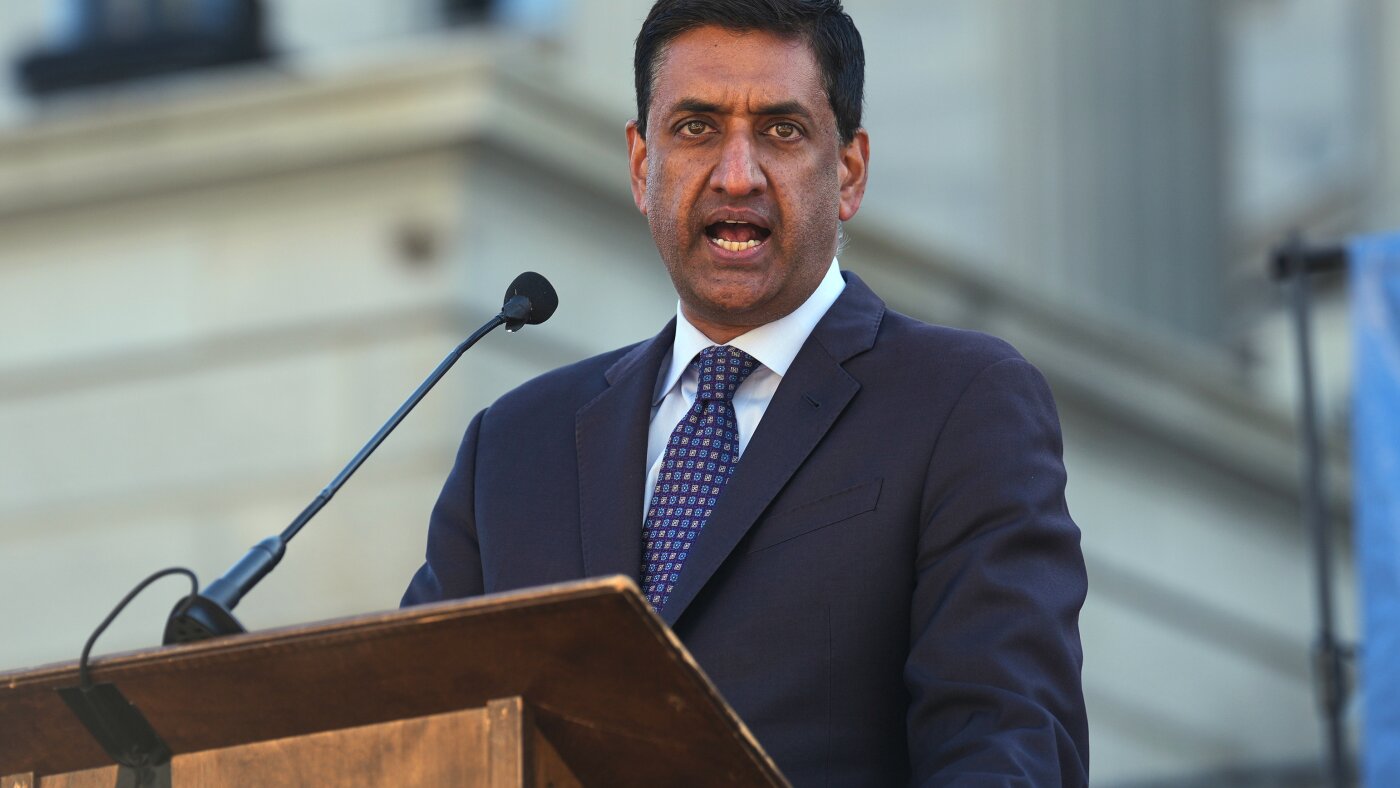
Democratic Congressman Ro Khanna from California recently traveled to the Israeli-occupied West Bank, an area often associated with significant tension. During his visit, he encountered a serious situation where he was detained for more than an hour by armed Israeli settlers, followed by the involvement of Israeli soldiers. According to Khanna, he was eventually permitted to leave after reaching out to the U.S. embassy in Israel for assistance.
Incident Details
Khanna’s experience highlights the ongoing complexities in this volatile region. He described how the armed settlers prevented him from leaving, raising questions about the security dynamics at play in the occupied territories. After a lengthy delay, Khanna received clearance to continue his itinerary only after intervention from U.S. diplomatic channels, underscoring the intricate relationship between U.S. officials and Israeli military protocols.
In response to Khanna’s claims, Israeli officials have provided a different perspective on the incident. They deemed the Congressman’s visit to a military-controlled area as an unnecessary provocation, labeling it a stunt. This indicates a deepening fray between U.S. representatives advocating for transparency and accountability, and Israeli authorities focused on security concerns. Ambassador Mike Huckabee characterized Khanna’s actions as reckless, which further complicates diplomatic relations.
Political Implications
Khanna’s visit and the subsequent fallout raise important questions about the role of American lawmakers in foreign diplomacy, especially regarding sensitive regions like the occupied West Bank. As U.S. representatives, there is an ethical obligation to engage with international issues thoughtfully, balancing advocacy for human rights with respect for local laws and governance. The narrative surrounding this incident may serve to rally various support bases on both sides of the political spectrum, highlighting differing views on U.S. involvement in the Middle East.
As public attention turns to the West Bank and the Israeli-Palestinian conflict, Khanna’s experience could ignite a broader discussion on the need for a nuanced approach to American foreign policy. Advocates for Palestinian rights may view his detention as emblematic of larger systemic issues, while proponents of robust Israeli security measures could cite his actions as a justification for stringent control protocols in sensitive areas.
A Path Forward
Looking ahead, the implications of this incident will likely be felt in both Washington and the Middle East. For many, it highlights the urgent need for dialogue that transcends partisan divides, aiming for constructive engagement rather than political posturing. As Khanna indicates, bringing attention to such matters can serve to highlight not only the realities on the ground but also the challenges that U.S. representatives face when navigating these complexities.
Ultimately, Khanna’s experience serves as a reminder of the multifaceted nature of international diplomacy and the delicate balance between human rights advocacy and national security. As the story continues to unfold, its impact is expected to resonate through discussions of U.S. foreign policy and the ongoing challenges in the Israeli-Palestinian conflict.