
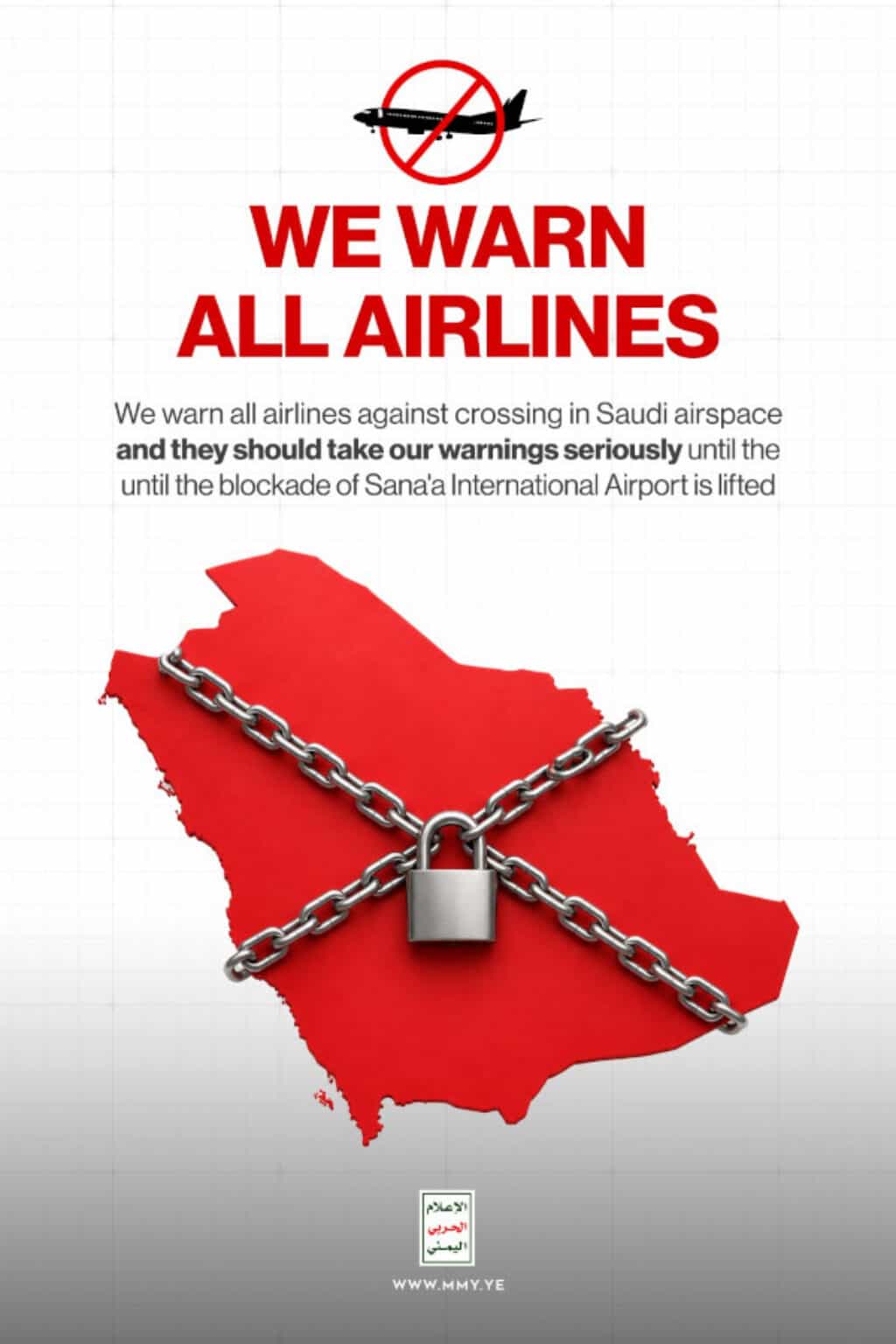
On July 13, Saudi Arabia carried out airstrikes on Sanaa International Airport, which is under Houthi control, as a preventive measure to hinder the landing of an aircraft transporting a delegation affiliated with the Houthi movement. This action underscores the ongoing tensions and complex geopolitical dynamics in Yemen, particularly in relation to Iranian influence in the region.
The Strategic Importance of Sanaa International Airport
Sanaa International Airport holds significant strategic value in the conflict-ridden landscape of Yemen. Controlled by the Houthis, this airport serves not just as a logistical hub for humanitarian aid, but also for military and political purposes. The recent airstrikes illustrate the risk of escalated confrontations. The continued control of such key infrastructures by the Houthis poses ongoing challenges for Saudi Arabia and its allies, who view the group as an Iranian proxy with substantial regional ambitions.
The Implications for Regional Stability
The airstrikes on July 13 exemplify the precarious nature of regional stability in the Middle East. The Houthi forces, backed by Iran, have managed to maintain their grip on capital Sanaa despite years of conflict and blockades. This ongoing scenario complicates peace efforts in Yemen and raises concerns among neighboring Gulf States about the influence Iran wields through its support of the Houthis. The recent military actions by Saudi Arabia can be seen as a direct response to a growing unease about Iranian expansionism in the region, further complicating an already fragile situation.
Humanitarian Concerns amid Ongoing Conflict
As military operations continue in Yemen, the humanitarian crisis worsens. Airstrikes and blockades have had devastating impacts on civilians, limiting access to crucial resources and humanitarian aid. The conflict has already led to one of the worst humanitarian crises in the world, with millions of people facing famine and healthcare shortages. The escalation of military actions, such as the bombings of key infrastructure like Sanaa International Airport, heightens the suffering of innocent civilians caught in the crossfire, raising crucial ethical questions about wartime conduct.
The Geopolitical Dynamics at Play
The events unfolding in Yemen are not merely an internal conflict; they reflect larger geopolitical tensions involving power struggles among regional and global powers. Saudi Arabia’s military actions represent its broader strategy to counterbalance Iranian influence in the Gulf and prevent the Houthis from gaining further ground. This engagement has profound implications, fueling a cycle of retaliatory actions that could destabilize the region further. As international powers maintain a keen interest in the outcome, the question remains: how can long-lasting peace be achieved in such a complex and multifaceted conflict?
In summary, the recent airstrikes on Sanaa International Airport by Saudi Arabia highlight the intricate web of conflict, humanitarian issues, and geopolitical interests at play in Yemen. Both regional and international actors must navigate these complexities carefully if a resolution is to be found to this long-standing crisis.