
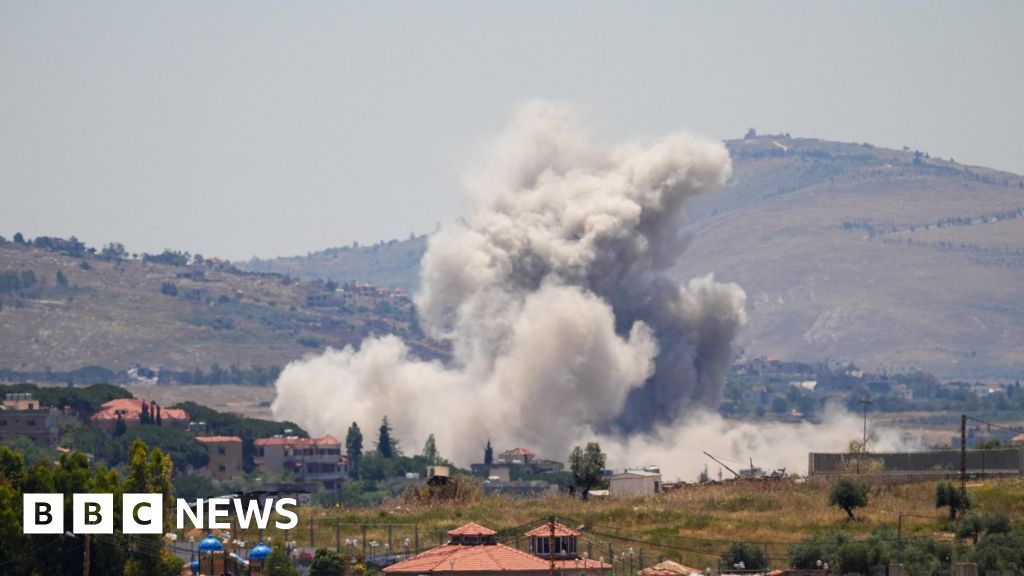
Hezbollah is a significant political and military entity in Lebanon, representing the interests of the Shia Muslim community. With substantial backing from Iran, this group has developed a military capability that surpasses that of the Lebanese military itself. Its long history of conflicts with Israel has placed it at the center of both regional and international discussions, particularly regarding terrorism and militant governance.
The Rise of Hezbollah
Formed in the early 1980s, Hezbollah emerged during the Lebanese Civil War, a period marked by upheaval and sectarian strife. Initially created to resist Israeli occupation, the organization has since evolved into a multifaceted group, combining military strength with political ambitions. Over time, it has consolidated its power, winning significant influence in Lebanese politics and society. This rise has been fueled by a combination of socio-economic initiatives and a robust military presence, allowing Hezbollah to cultivate loyalty among its constituents.
Military Strength and Conflicts
Hezbollah’s military capabilities are noteworthy, leading many to regard it as more advanced than the Lebanese armed forces. The group has engaged in multiple conflicts with Israel, including notable confrontations in 1996 and 2006, which highlighted its preparedness and strategic planning. Beyond conventional warfare, Hezbollah has also operated as a paramilitary organization, engaging in asymmetric warfare and guerrilla tactics to enhance its operational effectiveness. Its resilience and adaptability have made it a formidable adversary in the region, complicating relations with Israel and neighboring nations.
International Designation and Controversies
Hezbollah’s operations have garnered significant international scrutiny, with several countries, including the United States and the United Kingdom, designating it as a terrorist organization. This designation often stems from its militant activities, which include rocket attacks and cross-border raids. The group’s connections to Iran further complicate its status, as the Iranian government has openly supported Hezbollah, facilitating arms shipments and financial aid. This alliance has led to criticisms regarding state-sponsored terrorism, raising alarm bells in countries concerned about regional stability.
The Social and Political Landscape in Lebanon
In addition to its military prowess, Hezbollah plays a crucial role in Lebanese governance. The group engages in various social programs, providing essential services in healthcare, education, and infrastructure, particularly in predominantly Shia areas. This approach has helped solidify its base of support, as many view Hezbollah as a necessary provider in a state historically plagued by political corruption and inefficiency. Its dual role as social provider and militant group complicates the Lebanese political landscape, creating a dynamic where Hezbollah is both feared and respected.
In summary, Hezbollah’s influence in Lebanon and the broader Middle East stems from a blend of military power, political engagement, and social services. As the group continues to navigate its complex relationships with both domestic stakeholders and international powers, its actions will remain pivotal in shaping the future of Lebanon and the region. The ongoing debates about its status, tactics, and connections reveal the multifaceted nature of modern geopolitical conflicts, emphasizing the need for nuanced understanding in an ever-evolving landscape.