
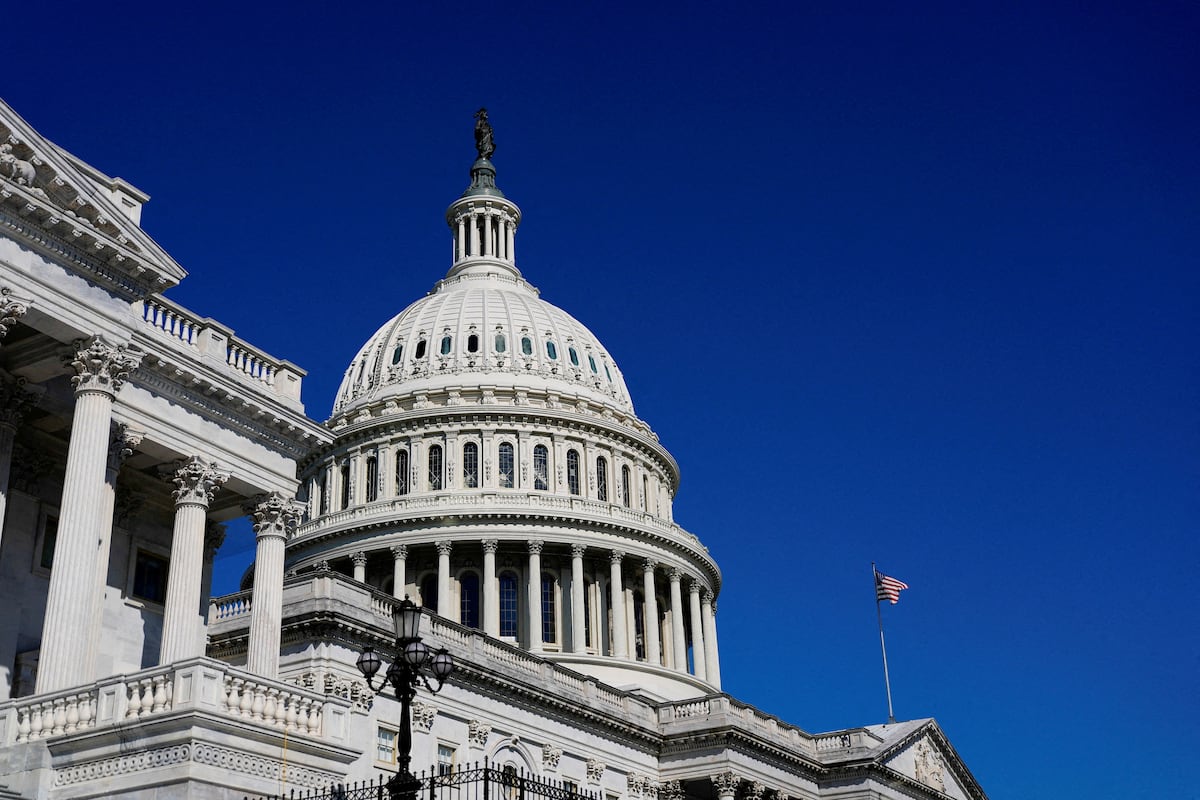
The recent passage of the National Defense Authorization Act (NDAA) by the House of Representatives has significant implications for U.S.-Israel defense relations. A key element of the bill includes a contentious provision aimed at enhancing cooperation between the defense sectors of both nations. This initiative, identified as Section 219, seeks to deepen collaboration in defense technology, particularly in co-development and co-production efforts.
Overview of Section 219
Section 219 proposes a shift in the existing framework of security cooperation between the United States and Israel. Traditionally, defense partnerships have concentrated on co-production of defensive systems, such as the Iron Dome. Under the new provision, however, the defense collaboration would expand beyond these limited frameworks. An executive agent position will be established within the Pentagon to oversee and promote new co-production initiatives, which may lead to a broader integration of U.S. and Israeli defense capabilities.
Political Landscape and Controversy
The passage of this provision has not been without controversy. Representative Ro Khanna and others have raised concerns, advocating against the measure during committee discussions. Critics argue that the provision could weaken congressional oversight, as traditional military aid requires approval from Congress, yet co-production efforts may allow the executive branch to navigate around these regulations more freely. Elias Yousif from the Stimson Center has pointed out that the less defined nature of co-production presents potential risks of diminished accountability.
Furthermore, the debate over this issue is complicated by shifting public opinion concerning U.S. military support for Israel. Some lawmakers believe that expanding cooperative projects could undermine U.S. interests, providing Israel with greater leverage. John Ramming Chappell has expressed skepticism about the benefits of increased collaboration, suggesting that without stringent oversight, the risks may outweigh potential gains.
Senate Reactions and Future Negotiations
While the House has approved its version of the NDAA, the path forward in the Senate appears more challenging. Several senators have voiced their opposition to Section 219, stating they will delay support for the NDAA until further discussion occurs. This creates uncertainty about how the two chambers will negotiate a compromise version of the bill. According to Chappell, it remains unclear whether House Armed Services Committee members, including Congressman Adam Smith, will advocate for the removal of the controversial provision in negotiations.
If the NDAA is enacted with Section 219 or its Senate equivalent, known as Section 1217, Congress will retain some influence over how these provisions are implemented. Yousif suggests that lawmakers must be proactive in addressing regulatory gaps to ensure accountability and transparency in defense projects. Increased scrutiny, including clear definitions and robust reporting requirements, will be crucial to protect national security interests and uphold oversight standards.
In summary, the passage of the House version of the NDAA and its implications for U.S.-Israel co-defense initiatives continue to evoke debate among lawmakers and experts. While proponents argue for its potential benefits, significant concerns surrounding oversight and national security risks demand careful consideration in ongoing negotiations. As the Senate deliberates its version, the stakes remain high for the future of U.S. defense cooperation frameworks.