
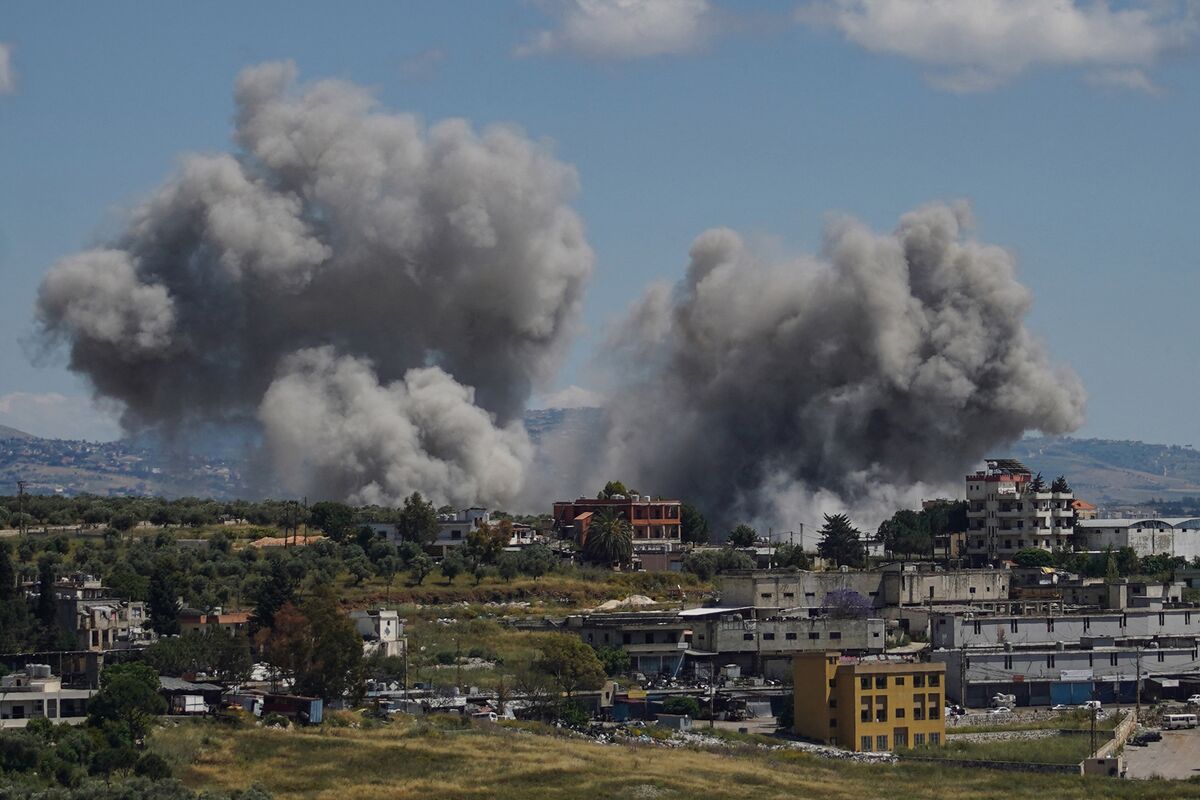
On February 28, a significant escalation occurred when the United States and Israel launched military actions against Iran. This conflict quickly drew in Hezbollah, a Lebanese militia supported by Iran that has long been a contentious player in the region. The militia began to engage in hostilities by targeting Israel with rockets and drones, signaling an alarming intensification of regional tensions. Israeli officials interpret this crisis not just as a challenge, but also as a potential opportunity to destabilize Hezbollah, which has already faced numerous setbacks over time.
Hezbollah’s Role in the Regional Conflict
Hezbollah has been a formidable force in the Middle East, often acting as Iran’s proxy in various conflicts. The group is known for its military prowess and deep-rooted ideology, which poses a persistent threat to Israeli security. In this latest round of escalation, Hezbollah’s response has been both predictable and strategic. By launching attacks on Israel, the group aims to demonstrate its strength and maintain relevance in the shifting geopolitical landscape. However, this move could also backfire, leaving them vulnerable to a more significant retaliation from Israel, which seeks to solidify its positions along its northern borders.
Israel’s Tactical Advantages
In the wake of Hezbollah’s engagement, Israel has been quick to formulate a multi-faceted approach to deal with the threat. Armed with advanced military technology and intelligence capabilities, Israel is not just focused on defense but has also taken a proactive stance in seeking to neutralize Hezbollah’s capacity to launch attacks. This includes targeting the group’s command structures and weapons supply chains, aiming to diminish their operational effectiveness. By leveraging its military advantages, Israel hopes to create a more stable northern border while simultaneously deterring future aggression from Hezbollah.
The International Implications
The broader international ramifications of this conflict cannot be overlooked. As the U.S. and Israel confront Iran and its affiliates, other nations in the region are taking note. Increased military activity and alliances may reshape the power dynamics in the Middle East, affecting everything from energy markets to global diplomatic relationships. Many countries are carefully watching how this conflict will evolve and what it might mean for their own security strategies. The rising tensions serve as a stark reminder of the fragile balance that characterizes Middle Eastern geopolitics.
Looking Ahead: What Lies Beyond
As the situation continues to develop, various scenarios could unfold, each with its own set of consequences. Should Israel succeed in effectively countering Hezbollah, it may lead to a new status quo in the region, altering alliances and possibly even encouraging other groups to re-evaluate their strategies. However, if hostilities escalate further, the potential for wider regional conflict increases, drawing in other nations and destabilizing an already volatile landscape. The coming weeks and months will be crucial for all parties involved as they navigate this intricate web of conflict and diplomacy.
In conclusion, the confrontation that started between the U.S., Israel, and Iran has rapidly involved Hezbollah, complicating an already intricate situation. With Israel’s commitment to countering Hezbollah’s threats and the larger implications for the region, it remains to be seen how this crisis will reshape the future of Middle Eastern alliances and conflicts. The unfolding scenarios will play a critical role in determining both short-term reactions and long-term strategies among various actors in this turbulent area.