
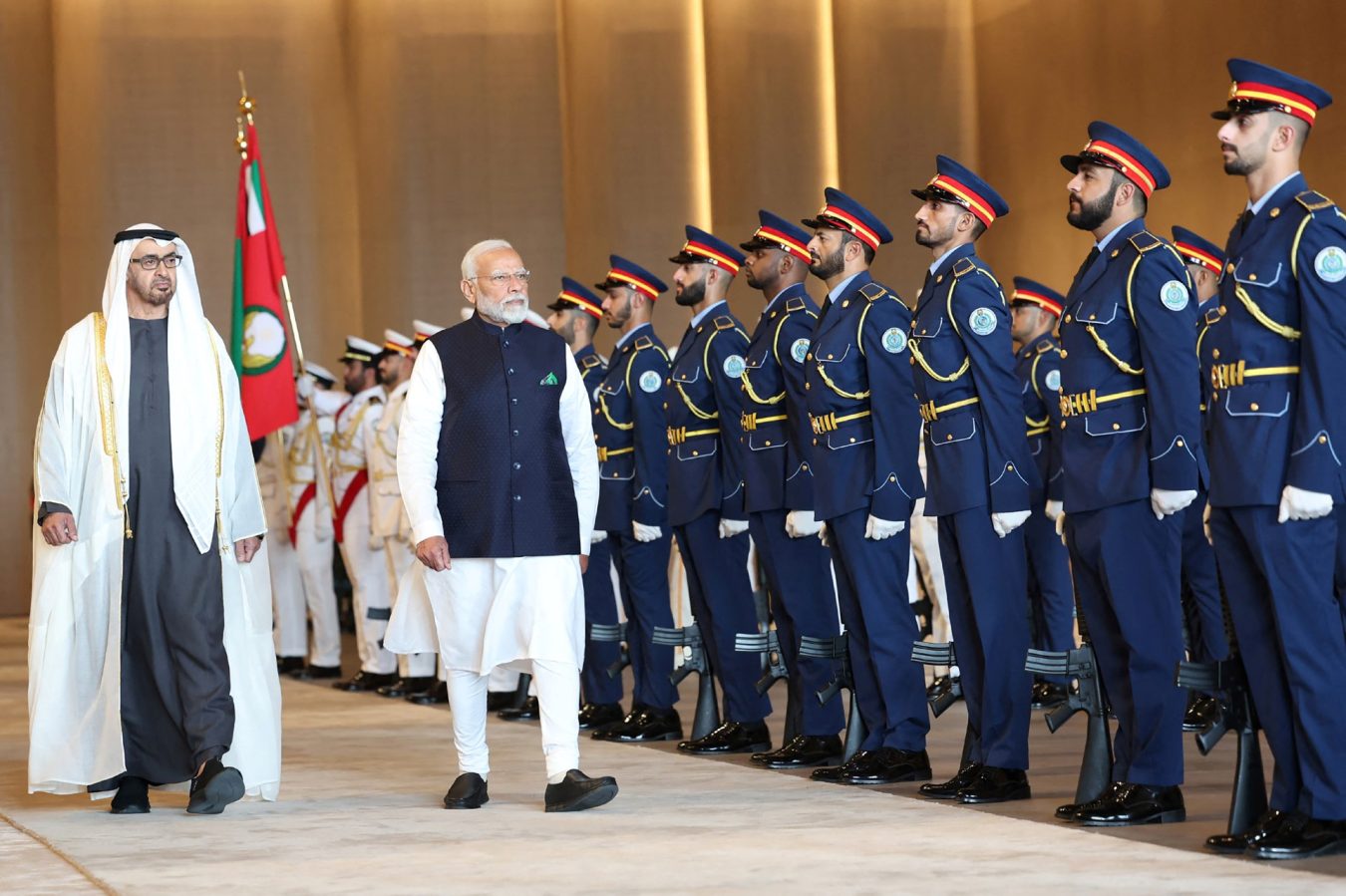
After the recent, protracted conflict between the United States and Iran, Gulf nations, particularly the United Arab Emirates (UAE), recognized crucial vulnerabilities in their air defense systems. Despite investing heavily in advanced systems like THAAD and Patriot, a significant number of aerial threats, including drones and missiles, circumvented these defenses. The UAE has emerged as a primary target, necessitating an urgent reassessment of its defense capabilities.
UAE’s Strategic Shift: Exploring New Defense Options
In response to these threats, the UAE is reportedly in preliminary discussions with India regarding the procurement of the BrahMos supersonic cruise missile and, notably, the Akashteer air defense system. Sources indicate that discussions are making swift progress, reflecting the UAE’s urgency to enhance its defensive posture. The BrahMos missile, a collaboration between India and Russia, has gained a reputation as one of the fastest in the world, capable of launching from various platforms. In contrast, Akashteer, developed by Bharat Electronics Ltd and the Indian Army, boasts an advanced automated architecture tailored for air defense.
Both systems have been tested in real combat scenarios, with BrahMos successfully penetrating advanced air defense networks during confrontations with Pakistan. Akashteer’s performance has also been promising, particularly against drone swarms. This proven track record highlights their potential effectiveness in bolstering the UAE’s defenses.
Understanding the Need for Akashteer
The 2026 Iran conflict starkly illustrated the inadequacies in the UAE’s defense framework. With reported attacks involving over 560 ballistic missiles and thousands of drones, the limitations of even the most advanced air defense systems became apparent. Although many threats were intercepted, a considerable number of low-cost drones managed to breach defenses, causing extensive damage to vital infrastructure. The Iranian attacks laid bare the vulnerabilities and gaps in layered air defense systems, particularly against saturation tactics.
Given this context, the potential integration of Akashteer emerges as a critical enhancement. Unlike traditional systems that rely on physical interceptors, Akashteer operates as an AI-driven command-and-control network. Its strengths lie in integrating data from various radars and sensors, offering comprehensive situational awareness and optimizing decision-making processes. In a battlefield characterized by inexpensive and numerous drones, the ability to process real-time data is invaluable for rapidly neutralizing threats.
How Akashteer Complements Existing Defense Systems
Akashteer’s innovative design enables it to serve as a “brain” within the UAV defense architecture, connecting existing systems like Patriot and THAAD without burdening the inventory with additional missile systems. It enhances the efficiency of resource deployment and supports faster threat identification and engagement decisions. The system’s AI-driven capabilities are crucial for maximizing the efficacy of current infrastructure, turning existing platforms into a coordinated, real-time defense network.
By combining sophisticated algorithms with streamlined operations, Akashteer provides the UAE with an edge in the face of sustained aerial threats. As military conflicts increasingly involve mass drone saturation tactics, the system’s integration promises a more robust defense strategy that potentially circumvents the shortcomings of existing Western platforms.
In summary, the UAE’s pursuit of the Akashteer air defense system represents a strategic maneuver to bolster its defenses against the evolving landscape of aerial threats. Given its combat-tested capabilities, Akashteer has the potential to transform how the UAE engages with emerging threats while complementing its existing multi-layered air defense architecture.