
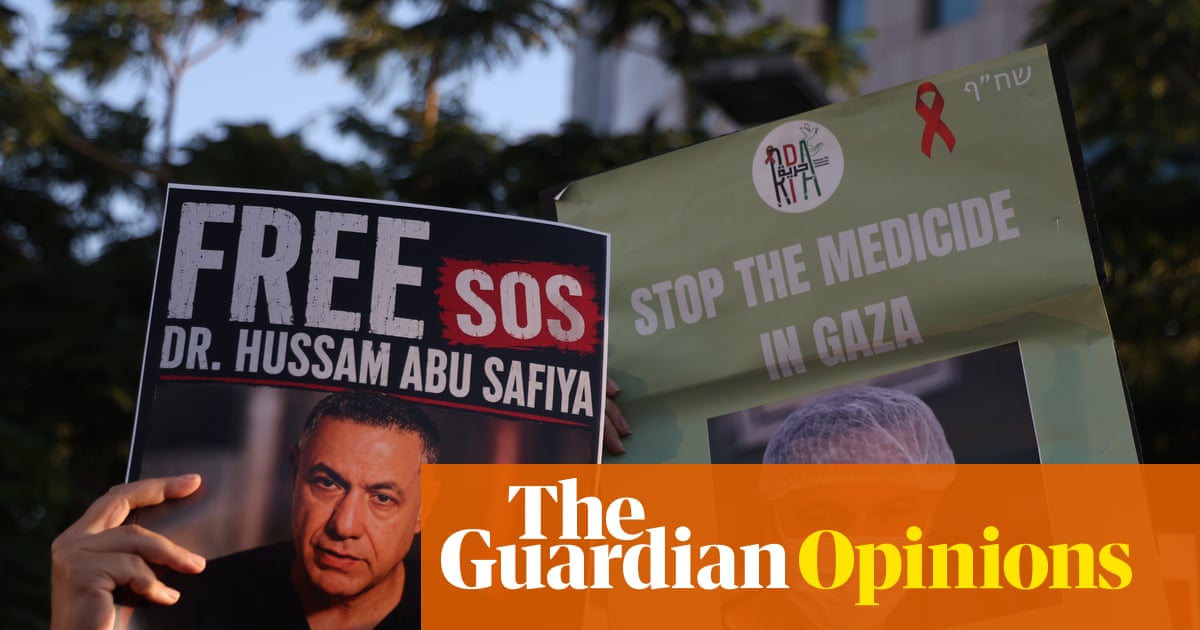
The grim reality of detention and abuse faced by Palestinians in Israeli prisons has gained significant attention, exemplified by the harrowing account of Dr. Hussam Abu Safiya. Once the director of the Kamal Adwan hospital in northern Gaza, Dr. Abu Safiya was captured by Israeli forces 18 months ago and is currently languishing in confinement without any formal charges or trial. His recent statements reveal a chilling narrative of physical abuse, painting a distressing picture of the conditions suffered by detainees in these facilities.
The Dire Conditions of Israeli Prisons
In June, Dr. Abu Safiya was transferred to the infamous Rakefet prison, an underground facility repurposed to detain Palestinians after its original use for organized crime figures was deemed inhumane. This prison is notorious for its lack of natural light, violating the Geneva Conventions. Currently, approximately 3,500 Palestinians are held under administrative detention, a practice that allows for indefinite imprisonment without trial. Alarmingly, nearly 200 of these detainees are children. Once detained, Palestinians find themselves trapped in a system that appears to intentionally strip away their rights and autonomy.
Widespread Abuse and Torture
The degrading treatment of detainees is further underscored by the alarming accounts of abuse reported by former prisoners. Ali al-Samoudi, a Palestinian journalist released after a significant weight loss and visible trauma, described the conditions in prison as “hell.” He lamented the systematic punishment and dehumanization that prisoners endure, revealing the depth of suffering that many face while in custody. Reports of physical torture, psychological torment, and sexual abuse within these facilities have become more disturbing, creating a climate of fear and hopelessness among detainees.
The Long History of Systemic Oppression
The ongoing abuse of Palestinian detainees is not just a reaction to the current conflict; it is rooted in a broader, long-standing system of repression. The Israeli state continues to practice policies that deny Palestinians their basic human rights, including the refusal to return the bodies of deceased individuals to their families. This brutal disregard for life and dignity underscores a collective effort to suppress Palestinian identity and resistance by targeting individuals who represent hope and leadership within their communities.
The Global Response and Accountability
Images and reports detailing the suffering of Palestinians in Israeli prisons often circulate widely, raising questions about global complicity and inaction. Despite the overwhelming evidence of abuse, discussions surrounding accountability and reform remain limited. Recent calls from international representatives for Israel to investigate reports of sexual violence against detainees highlight a reluctant acknowledgment of these issues, yet a satisfactory response remains elusive. Until there is genuine pressure for accountability from both within Israel and the international community, the cycle of violence, torture, and fear will likely persist.
In conclusion, the experiences of individuals like Dr. Hussam Abu Safiya and countless others illuminate the profound and ongoing crisis facing Palestinians in Israeli detention. These accounts serve as a stark reminder of the urgent need for awareness and action to address the systematic violations of human rights that are being carried out in plain sight. Acknowledging these issues is essential if we are to foster a future based on justice, dignity, and respect for all individuals, regardless of their background or circumstances.