
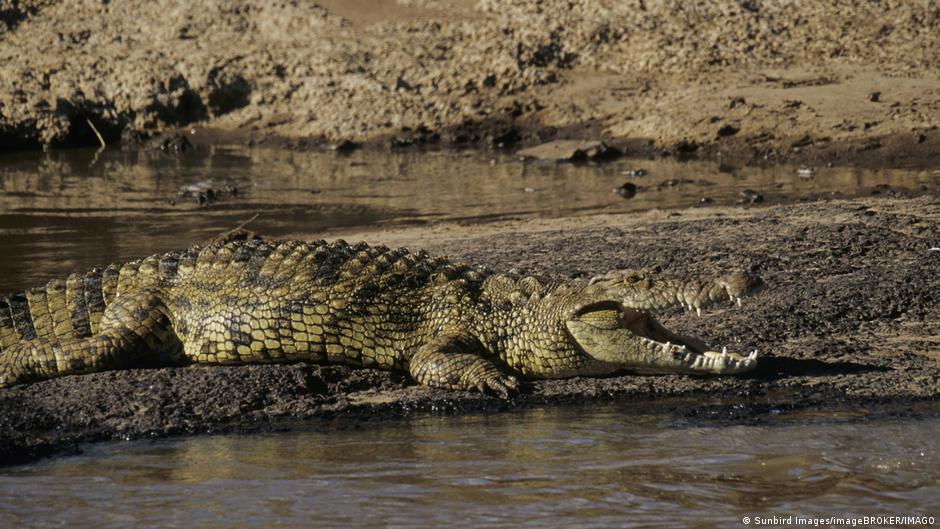
Israel is taking an unconventional approach to security, with news emerging about the classification of Nile crocodiles for potential use in prison security. This initiative spearheaded by the Environmental Protection Minister, Idit Silman, could put these reptiles to work guarding facilities, particularly those housing Palestinian detainees.
Crocodiles Reclassified for Security Use
The recent reclassification of Nile crocodiles as “cultivated wild animals” rather than traditional wild animals opens the door for their deployment by approved security organizations. This designation allows entities like the Israel Prison Service, which operates under the purview of far-right National Security Minister Itamar Ben-Gvir, to keep these reptiles in regulated environments for specific security tasks. The implications of this shift are significant, as it aligns with Ben-Gvir’s agenda to enhance security measures within facilities that house primarily Palestinian detainees.
In a bold move, Ben-Gvir has suggested that crocodiles be utilized to patrol Ketziot prison located in southern Israel. This facility is known for holding Palestinian security prisoners, and the introduction of crocodiles is envisioned to serve as a deterrent against potential escape attempts. Ben-Gvir even took to social media, posting a provocative message that warned detainees, “Are you thinking of attempting to escape? Think again,” accompanied by an AI-generated image of himself leading a crocodile on a leash.
Concerns Over the Use of Crocodiles
Despite the bold plans put forward by Ben-Gvir, there is mounting criticism from various quarters. The Israel Nature and Parks Authority has openly opposed his proposal, emphasizing that wild animals should be preserved for research and educational purposes rather than employed as security assets. This concern is not purely theoretical; the authority highlighted past incidents in which bred crocodiles escaped, thus posing serious risks to human safety and animal welfare alike.
Furthermore, the idea of utilizing crocodiles for security has been met with skepticism from officers within the Israel Prison Service. Reports indicate that the proposal was ridiculed by several personnel, suggesting a lack of faith in the practicalities and ethics of such an initiative.
Environmentalists and animal rights activists have also voiced their objections. The use of crocodiles in this manner raises ethical questions not only about the treatment of the animals but also concerning the broader implications of weaponizing wildlife in a high-stakes security environment. Critics argue that relying on animals like crocodiles for security relies more on fear tactics than actual safety measures.
As this situation unfolds, it remains to be seen whether the initiative will be implemented and how it will be received by both the public and those within the prison system. The controversial use of crocodiles in this context highlights a complex intersection of environmental policies, prison reform, and national security.