
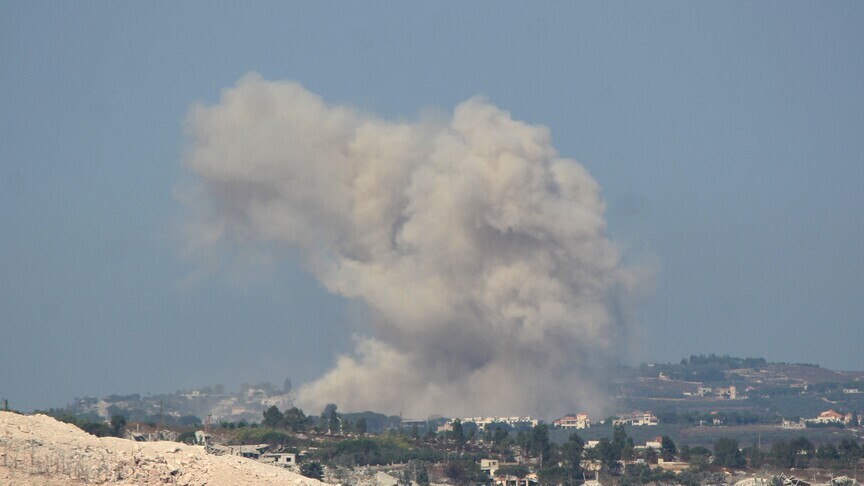
Israeli forces have intensified their military actions in southern Lebanon, launching a series of airstrikes and artillery assaults over the weekend. According to reports from the National News Agency (NNA), these strikes are part of ongoing hostilities that have raised concerns about regional stability.
Details of the Attacks
On Sunday, Israeli warplanes targeted the Ali al-Taher forest, located on the outskirts of Nabatieh al-Fawqa. This initial strike occurred just before subsequent strikes hit the town itself, indicating a strategic choice to focus on specific areas. Less than 15 minutes after the first bombardment, additional strikes were reported in the town, highlighting the rapid escalation of military actions.
Following the strikes in Nabatieh al-Fawqa, Israeli forces executed two more airstrikes on Kfar Tebnit, a nearby town. The situation worsened within half an hour, as another airstrike struck Kfar Tebnit once again. These tactical assaults suggest a concentrated effort by Israeli forces to target areas of interest decisively.
Further Military Actions
The assault didn’t stop there. Additional airstrikes focused on the vicinity of al-Dabsha hill near Nabatieh al-Fawqa, underscoring the strategic importance of that region. Meanwhile, Zawtar al-Sharqiyah faced Israeli artillery bombardment, further compounding fears of civilian casualties and infrastructural damage. However, no immediate reports have emerged detailing casualties or the extent of destruction caused by these strikes.
Diplomatic Context
These aggressive military actions occur against a backdrop of ongoing tensions in the region, marked by numerous failed diplomatic endeavors aimed at de-escalating hostilities. Despite international calls for restraint, the Israeli government appears resolute in its military strategy, raising questions about the effectiveness of diplomatic interventions. This persistent cycle of violence further complicates the search for a lasting resolution to the ongoing conflict in southern Lebanon.
The Broader Implications
The recent escalation serves as a reminder of how fragile peace can be in this part of the world. As airstrikes continue to rock southern Lebanon, the prospects for diplomatic negotiations appear increasingly bleak. The cycle of violence not only jeopardizes civilian safety but also undermines international efforts aimed at fostering stability within the region. The situation remains volatile, and observers are left wondering how long this escalation will last and what it may mean for broader Middle Eastern geopolitics.
In summary, the surge in Israeli airstrikes and artillery attacks in southern Lebanon signals a troubling period of renewed conflict. As diplomatic efforts fail to achieve tangible results, the region’s future remains uncertain, with anxiety growing over the potential for further military confrontations.