
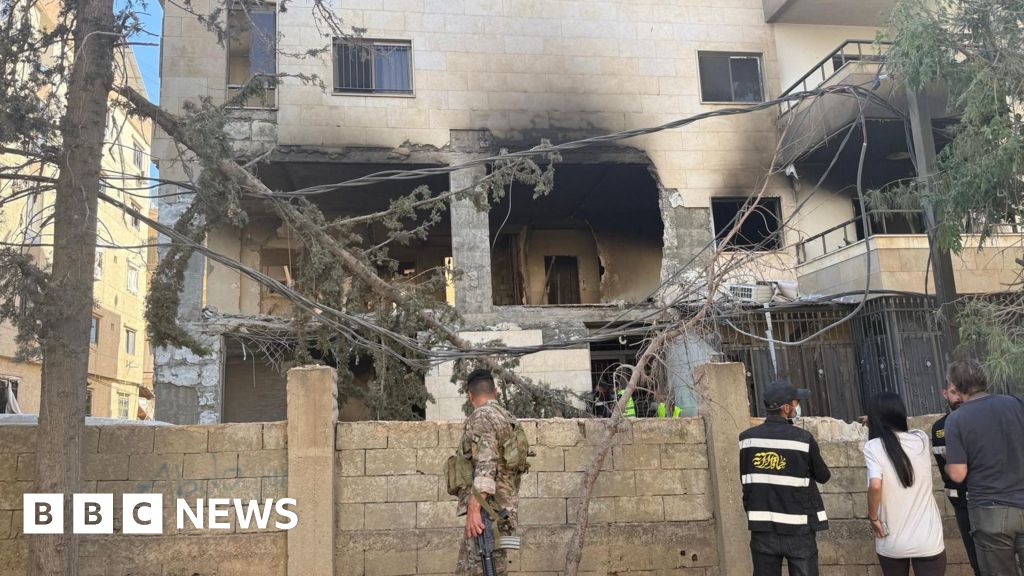
In recent times, Beirut has remained relatively untouched amidst escalating tensions between Israel and Hezbollah. However, accusations have flown from both sides regarding the violation of a ceasefire agreement established last month. This article delves into the nuances of the ongoing conflict and its impact on Lebanon’s capital.
The Ceasefire Breakdown
The ceasefire, which was meant to stabilize the region, has faced serious challenges. Both Israel and Hezbollah have leveled accusations against each other, claiming breaches that have reignited hostilities. This ongoing cycle of blame undermines the fragile peace that had allowed Beirut to avoid the intense conflicts seen in other parts of Lebanon. International observers are concerned that without a renewed commitment to dialogue, the situation may further deteriorate, prompting wider regional implications.
Impact on Beirut
Until recently, daily life in Beirut had remained relatively stable, with citizens largely insulated from the rising tensions. However, as tensions escalate, the threat of violence looms ever closer. Residents are increasingly worried not only about their immediate safety but also about the economic repercussions of renewed conflict. Businesses that had just begun to recover from past disruptions are now facing uncertainty once again, as potential shortages and infrastructure issues arise. This precarious situation weighs heavily on the population, which has yearned for lasting peace.
Regional Ramifications
The fallout from the renewed tensions is not limited to Beirut alone; the entire region may feel the repercussions. Both Israel and Hezbollah have supporters and sympathizers internationally, and their actions could provoke further escalations in related conflicts. As the conflict continues to evolve, neighboring countries are on high alert for any spillover effects. A renewed conflict could lead to a humanitarian crisis, as an already strained Lebanon struggles to support increasing numbers of displaced individuals.
The Need for Diplomatic Solutions
To avoid an even greater escalation, diplomatic solutions must be explored. The international community has a crucial role to play in facilitating dialogue between the conflicting parties. Mediation efforts could promote mutual understanding and engage both sides in constructive discussions aimed at deescalating tensions. While the paths to peace are often fraught with challenges, it is crucial that the voices of Lebanon’s citizens, who desire stability and security, are heard in these negotiations.
As the situation unfolds, it is more important than ever to understand the broader implications of the conflict. A proactive approach that emphasizes diplomacy and open communication may help pave the way for a renewed commitment to peace. The hopes of a nation rest on finding solutions that prioritize human rights and international laws to foster long-term stability. Ultimately, the path forward will require a concerted effort among all concerned parties to work toward lasting peace in the region.