
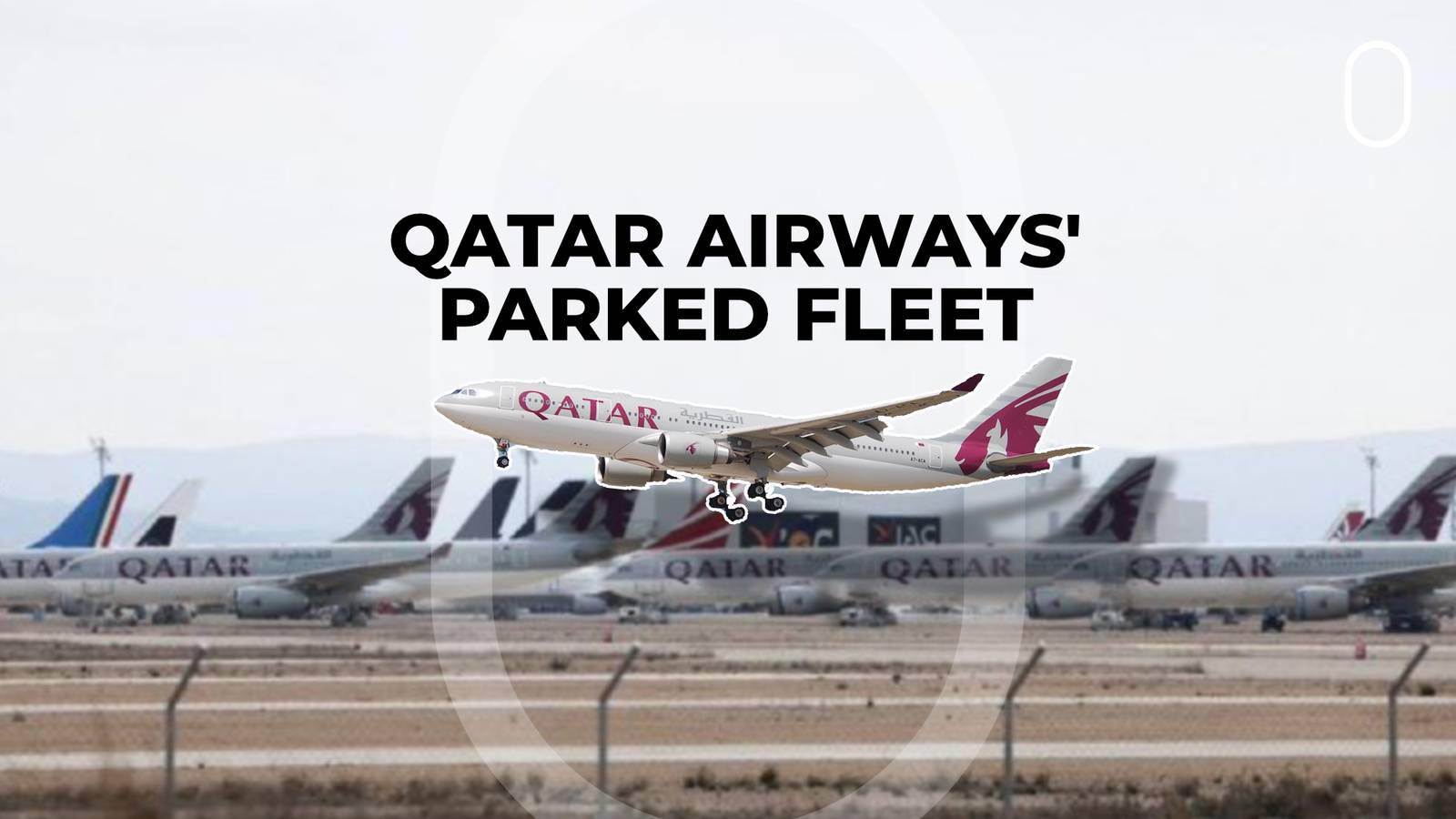
In late May 2026, Qatar Airways is facing unprecedented challenges, with around 20% of its fleet currently designated as ‘parked’. This situation arises primarily from ongoing geopolitical tensions in the Middle East, which have significantly restricted the airline’s ability to operate its usual routes.
Impact of Geopolitical Tensions
The landscape of Middle Eastern air travel has been drastically altered by factors such as regional conflicts and diplomatic disputes. These issues have not only affected route availability but have also prompted airlines like Qatar Airways to make difficult decisions regarding their fleet management. With a notable portion of its aircraft grounded, the airline is navigating a complex environment that hinders its operational flexibility and necessitates adjustments to its strategic planning.
Adapting to Limitations
In response to these challenges, Qatar Airways has been exploring various strategies to adapt. This includes focusing on more stable markets and expanding operations to regions less affected by regional friction. By adjusting its offerings and developing new partnerships, the airline aims to maintain profitability while minimizing the impact of reduced capacity. Furthermore, the ongoing situation serves as a reminder of the airline industry’s vulnerability to external factors, emphasizing the need for resilience and adaptability in the face of uncertainty.
Future Considerations for Qatar Airways
Looking ahead, the recovery of routes may depend on the resolution of the tensions that currently disrupt air travel in the region. Markets closer to the Middle East may begin to see increased demand as relations stabilize. In the interim, Qatar Airways must continue to innovate and refine its operational strategies to optimize current resources. Future investments in technology and customer service could enhance passenger experiences, helping the airline maintain its competitive edge once it can expand its route network again.
The current predicament serves as both a challenge and an opportunity for Qatar Airways. While the parked fleet limits immediate growth prospects, the airline has a chance to reassess its long-term strategies, enhance operational efficiency, and prepare for a future where the geopolitical landscape may be more favorable for travel.