
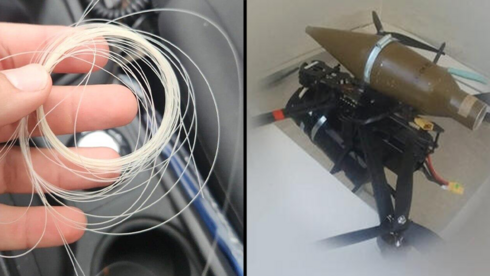
Israel is deliberating the introduction of stringent regulations on civilian drone usage due to escalating fears regarding the potential for first-person view (FPV) attack drones to be launched from neighboring nations or the West Bank. This concern comes amid heightened tensions with Iran, as indicated by Israeli officials in a report on Ynet.
Security Cabinet Discussions
A high-ranking Israeli official shared insights about a recent meeting of the Security Cabinet, where the looming threat of drone activity was a key topic. Officials believe that restricting civilian drone use could enhance the capability of security forces to detect and tackle emerging threats more effectively. The discussions underscore a proactive approach to managing potential aerial assaults as the geopolitical landscape remains volatile.
Although FPV attack drones, notably those that are fiber-optic guided, are not currently confirmed to be operational in the West Bank, security officials are taking the threat seriously. One official characterized the FPV drones as a “very serious threat” that they currently lack means to neutralize effectively. This sentiment illustrates a growing concern over the implications of such technology in the hands of hostile actors.
Potential Threats and Vulnerabilities
The prospect of drones aimed at key government figures poses a significant concern. Israeli officials are particularly wary of scenarios where these drones might target senior leaders or critical state institutions, given their potential for precision strikes. The alarming rise of FPV drones as weaponry has become evident in various regional conflicts, heightening the urgency of addressing this threat.
For instance, on a recent day, the Israel Defense Forces (IDF) reported the neutralization of a Hezbollah cell operating FPV drones in Lebanon, showcasing the drones’ emerging role in current conflicts. According to military sources, this cell attempted to launch a drone toward Israeli forces before facing aerial retaliation, highlighting the practical challenges posed by FPV technology.
Characteristics of FPV Drones
FPV drones feature a live video feed from an onboard camera, allowing operators to guide them with remarkable accuracy while carrying explosive loads. The fiber-optic variants, notably utilized by groups like Hezbollah and seen in conflicts like the Russia-Ukraine war, are notable for their connectivity via thin fiber-optic cables, which can stretch for extensive distances. This design makes them largely resistant to electronic interference, thus complicating countermeasures compared to traditional drone designs.
With the growing recognition of the threats posed by these high-tech systems, IDF officials have reiterated the vulnerability of troops operating in the West Bank to such advanced technology. Military protocols established in 2017 allow for the confiscation of dual-use materials, including civilian drones potentially intended for revolutionary activities. As of the current year, around 400 drones have been seized in the West Bank, showcasing the proactive measures being employed to mitigate risks.
In the wake of heightened attacks, particularly following Hamas’s recent actions, Israeli security forces have shifted from merely responding to immediate threats to countering potential capabilities of adversaries. This strategy includes the indiscriminate seizure of drones, underscoring a broader commitment to preventing any threats, regardless of initial intent. The combination of civilian drones and FPV technology raises alarm due to their proximity to essential Israeli population centers, where guided drone strikes could pose a direct risk to government officials residing in the area.
In conclusion, as Israel navigates complex security challenges, the call for stricter regulations on civilian drone use reflects broader concerns over advanced aerial threats. Addressing these issues now will be critical in safeguarding national security and ensuring the country’s resilience amidst evolving geopolitical pressures.