
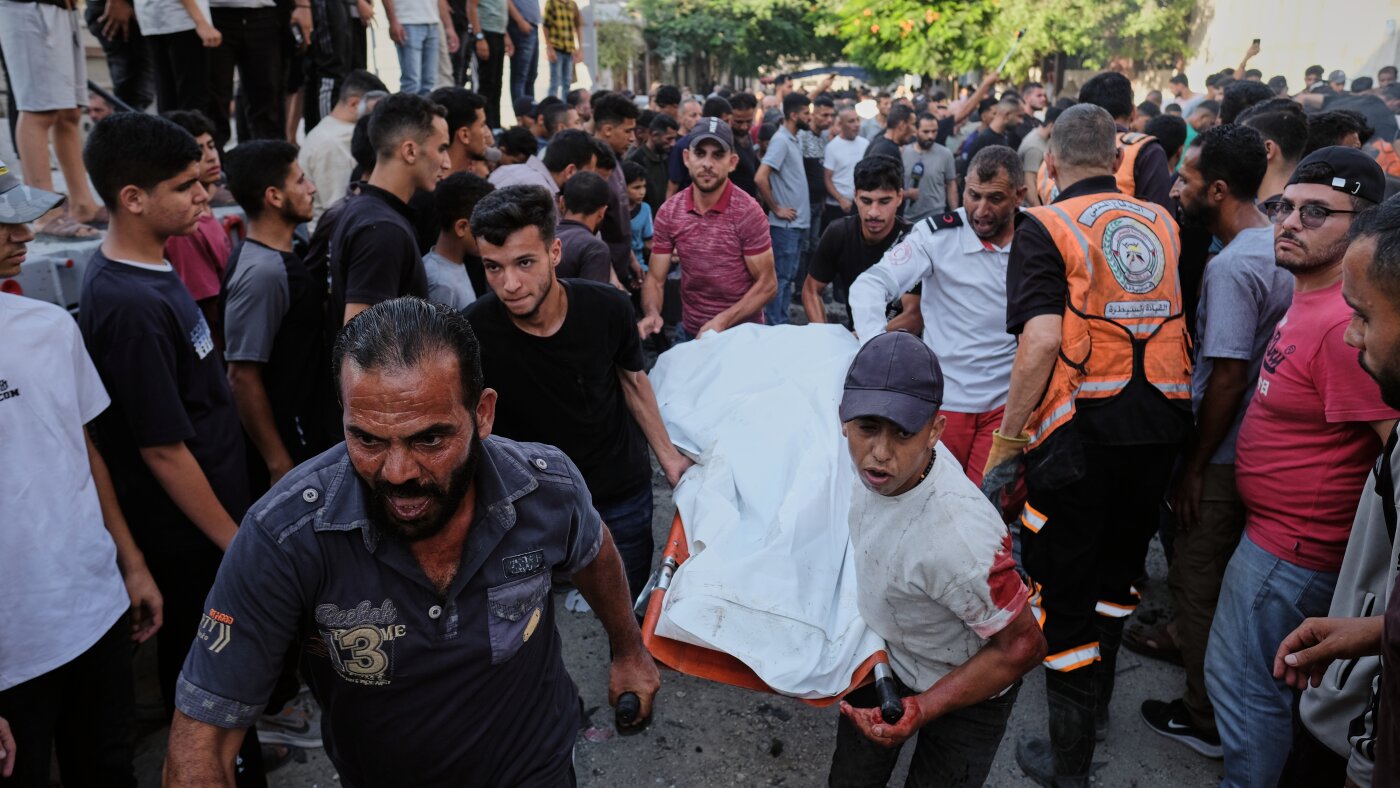
Israel is currently expressing deep concerns regarding a proposed disarmament agreement with Hamas, particularly in light of ongoing violence in Gaza. With recent airstrikes resulting in the deaths of 17 individuals, including children, Israeli officials are voicing skepticism about the effectiveness of the proposed measures to demilitarize the militant group.
Israeli Officials Raise Alarms About Hamas
Doron Spielman, a spokesperson for Israeli Prime Minister Benjamin Netanyahu, has stated that Israel’s intelligence assessments indicate Hamas is not genuinely interested in disarmament. According to Spielman, the military will not withdraw from Gaza until Hamas is fully disarmed. He emphasized that a premature withdrawal could lead to a resurgence of Hamas’ military presence and infrastructure in the region, potentially threatening Israeli communities once more. “Disarming means physically giving up the weapons. Nothing less,” Spielman clarified.
These remarks come soon after U.S. President Donald Trump announced a ceasefire agreement, which includes clauses for Hamas to begin disarming. However, Israel views the path to achieving this goal as fraught with obstacles, highlighting the ongoing challenges in the negotiation process. Recent tensions and upheaval have put the idea of a peaceful resolution in jeopardy, as the strength of Hamas reportedly persists despite international pressures.
Trump’s Ceasefire Agreement: What It Entails
The U.S.-brokered deal outlines that Hamas must surrender its arms and dismantle its extensive tunnel networks. Additionally, it proposes the gradual withdrawal of Israeli forces from Gaza and the establishment of a new Palestinian technocratic government. Nevertheless, the success of this agreement hinges on Hamas’ willingness to comply fully—a significant hurdle given their historical resistance.
Past negotiations have faced stagnation primarily due to Hamas’ reluctance to disarm. Trump’s agreement articulates a phased approach, but timelines and concrete steps remain undefined. A copy of the accord confirms that all weapons currently held by Hamas’ police will be transferred to a U.S.-supported Palestinian administration. The actual execution of these plans will depend on a series of interconnected events, including the arrival of international forces in Gaza.
Continuous Strikes and the Human Toll in Gaza
The reality on the ground continues to be dire as Israel maintains its military operations in Gaza. Recent airstrikes have been reported, with local hospitals indicating at least 17 casualties from the most recent bombardments, including innocents. In one tragic incident, a strike on a residential building led to the deaths of three family members, including a child. According to Israeli military sources, the operations target Hamas operatives and their infrastructure, but this justification does little to alleviate the humanitarian crisis unfolding in the region.
Israel’s military and political leadership face immense pressure domestically. With elections on the horizon and a coalition government that leans heavily towards far-right policies, Prime Minister Netanyahu is caught between the need for military action and the pursuit of a diplomatic resolution. Many within his coalition urge for sustained military pressure on Hamas, complicating the potential for progress.
In summary, the road to peace remains complex and riddled with challenges. Both the Israeli government and Hamas hold entrenched positions that complicate the feasibility of the proposed disarmament deal. The humanitarian implications of this ongoing conflict are immense, as the people of Gaza bear the brunt of the ensuing violence and uncertainty.