
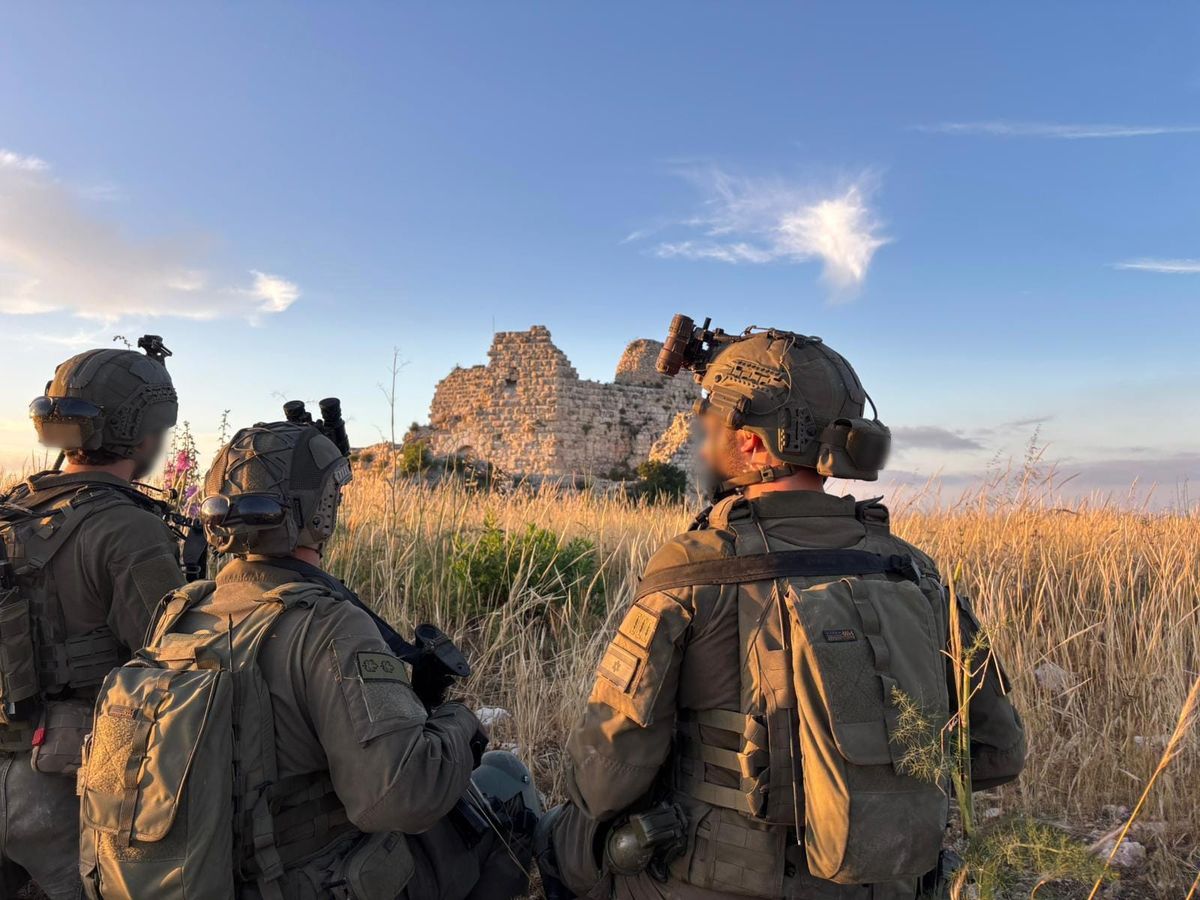
Six new cultural heritage sites have recently been classified as in danger by UNESCO, reflecting growing concerns about their preservation. Among these sites, the Mount Amel Castles in Lebanon and the archaeological remnants of Sebastia in the Occupied West Bank stand out due to the intense political and military challenges surrounding their existence. This designation aims to galvanize international attention and support for their protection amidst turbulent circumstances.
UNESCO’s Urgent Intervention
The Mount Amel Castles and Sebastia were added to UNESCO’s World Heritage Sites in Danger during the agency’s 48th session in Busan, South Korea. The recognition underscored the immediate threats facing these historical locations, including military activities and land seizures, particularly by Israel. UNESCO’s swift action indicates a serious concern for cultural heritage preservation in regions frequently embroiled in conflict.
Israel has publicly denounced UNESCO’s decision, asserting that the organization is manipulating cultural heritage for political ends. This claim reflects long-standing tensions between Israel and UNESCO regarding the agency’s stance on various heritage sites in the region. Israeli officials argue that the sites have become pawns in a broader political agenda, challenging the legitimacy of the UNESCO classification.
Significance of Mount Amel Castles and Sebastia
The Mount Amel Castles, known for their military history and architectural significance, represent a vital part of Lebanon’s heritage. Similarly, the archaeological ruins of Sebastia serve as a critical link to the past, showcasing the history of ancient civilizations that once inhabited the West Bank. Both sites hold immense value not just for local communities but also for the world at large, acting as living museums that tell stories of cultural evolution and resilience.
Protecting these sites is essential not only for their historical significance but also for the diverse narratives they embody. The designation as World Heritage Sites in Danger creates an opportunity for increased international dialogue and cooperative efforts aimed at preserving these invaluable cultural assets for future generations. Stakeholders and historians alike now have a chance to advocate for innovative solutions to safeguard the heritage that stands as a testament to human creativity and endurance.
Conclusion: A Call for Preservation
UNESCO’s recent actions highlight the urgent need to prioritize cultural preservation in conflict zones. The designation of the Mount Amel Castles and Sebastia as at risk sends a clear message: cultural sites deserve protection, even in politically complicated situations. Both national governments and international organizations must collaborate to ensure that these heritage sites can withstand the pressures of war and neglect.
As discussions continue regarding these heritage sites, it is imperative for the global community to rally around the cause of cultural preservation. The call to action is not merely about saving structures; it involves preserving stories, identities, and histories that are essential to understanding humanity’s collective past. With concerted efforts, there is hope for a future where these sites thrive in their historical and cultural contexts, rather than succumbing to the ravages of conflict.