
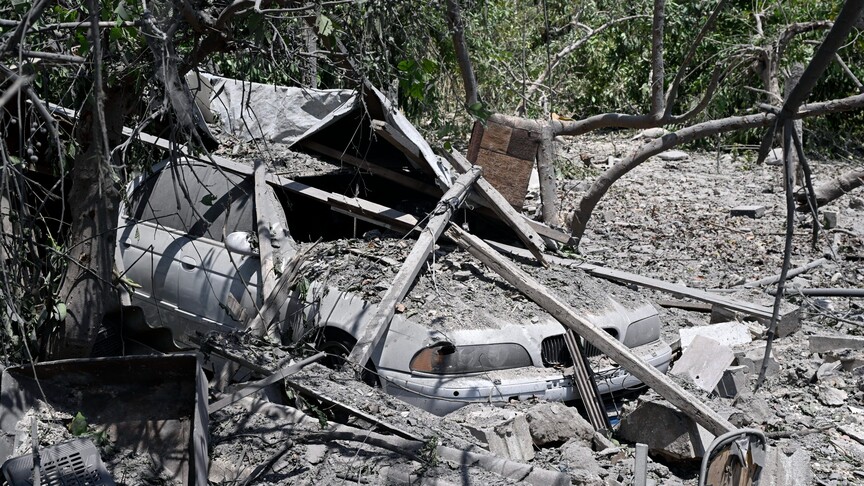
On August 6, 2026, the ongoing conflict between Israel and Lebanon took a severe turn, with the Israeli military launching 113 projectiles into southern Lebanon, marking the highest daily figure since June 21. This spike in violence has prompted urgent responses from international observers and peacekeeping forces in the region.
Rising Tensions in Southern Lebanon
According to the UN Interim Force in Lebanon (UNIFIL), while the current levels of violence are relatively lower than in previous months, the situation remains precarious. The continual military actions have not only escalated tensions but have also caused humanitarian crises. Reports indicate that since the beginning of Israel’s military operations on March 2, roughly 4,333 lives have been lost, and over 12,250 individuals have sustained injuries due to the attacks. This alarming human toll underscores the urgent need for intervention and dialogue.
UNIFIL’s Role in Monitoring and Tensions Reduction
UNIFIL has been actively observing and documenting developments in this turbulent area, continually communicating updates to the United Nations Security Council. Their role is critical in maintaining stability and ensuring that both parties adhere to a ceasefire agreement. The peacekeeping force emphasizes the necessity of open channels of communication and dialogue to de-escalate the violence and restore order. UNIFIL’s ongoing operations ensure that they engage with both Israel and Lebanon, aiming to reduce hostilities and restore calm to the affected regions.
Diplomatic Efforts and Ceasefire Implementation
Despite the chaos on the ground, diplomatic efforts to quell the conflict are underway. US-brokered discussions between Lebanon and Israel continue, focusing on implementing mechanisms for a ceasefire agreement. These negotiations are vital in establishing a pathway toward peace, and both nations are being urged to commit to UN Security Council Resolution 1701. This resolution is foundational for de-escalation efforts and aims to secure enduring calm in southern Lebanon.
The Humanitarian Impact
The ongoing hostilities have cast a shadow of despair over the civilian population in southern Lebanon. The high casualty figures and the resultant injuries illustrate the urgent need for humanitarian assistance. Thousands of families have been displaced, and the health services are overwhelmed. As peacekeepers and negotiators work toward de-escalation, ensuring humanitarian aid reaches those most affected is crucial for stabilizing the region and restoring normalcy.
In conclusion, the conflict between Israel and Lebanon continues to pose significant challenges not only to regional stability but also to the lives of countless civilians. As tensions rise and diplomatic efforts persist, the hope for a peaceful resolution remains tenuous but essential. Monitoring agencies like UNIFIL and international diplomatic channels play a pivotal role in mitigating violence and forging pathways toward sustainable peace in southern Lebanon.