
Tensions in the Middle East have escalated sharply, particularly between Israel and Hezbollah. Recent military actions have further strained the fragile ceasefire, as both sides continue to trade blows. The situation, critical to regional stability, merits close examination of recent events and their implications.
Israeli Airstrikes Target Hezbollah Positions
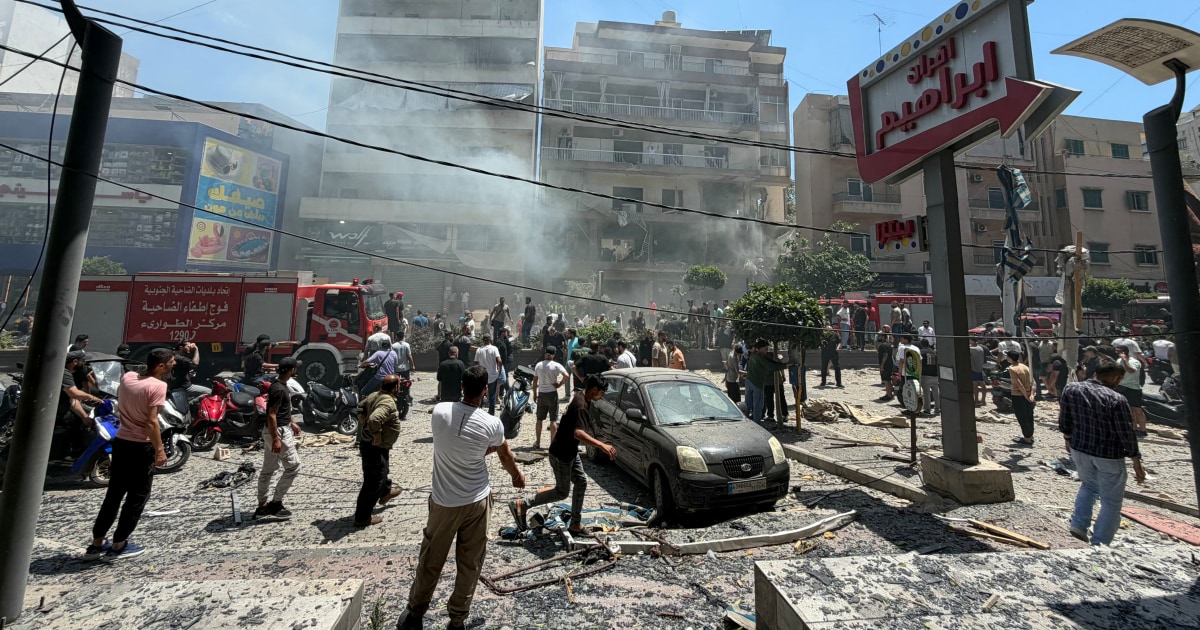
Israel has confirmed that its defense forces conducted airstrikes in the southern suburbs of Beirut on Sunday. This retaliation was a direct response to Hezbollah’s attack on Israeli territory, where the Lebanese militant group fired projectiles across the border. Israeli officials labeled this act as a blatant violation of the ceasefire, which had provided a momentary lull in hostilities. The statements from Israeli leadership emphasized the need to counteract what they termed “terrorist activities” by Hezbollah.
According to Israel’s military, three projectiles were launched towards northern Israeli communities before their strike on Hezbollah targets in Beirut’s Dahiyeh neighborhood. Prime Minister Benjamin Netanyahu and Defense Minister Israel Katz jointly announced that the Israeli Defense Forces (IDF) had taken decisive action in response to these provocations. This military incursion highlights Israel’s commitment to defending its borders and responding swiftly to threats.
Hezbollah’s Counteraction and Rising Tensions
While Israel has not received a response from Hezbollah regarding the airstrikes, the group confirmed its launch of missiles and drones aimed at Israeli forces stationed in southern Lebanon. This reciprocal exchange of fire has raised concerns about an all-out escalation in hostilities. Just last week, a similar Israeli airstrike in Dahiyeh had initiated a tense back-and-forth between Israel and Iran, complicating the regional political dynamics further.
The ongoing conflict is increasingly complicated by international negotiations involving the United States and Iran. U.S. officials have been attempting to broker an agreement to curb Iran’s broader military activities in the region, which involves stabilizing the situation in Lebanon. This potential treaty could open avenues for peace but hinges significantly on the cessation of hostilities between Israel and Hezbollah.
Implications for Regional Stability
The prospect of a diplomatic solution has become critically entangled with the ongoing military operations. Washington and Tehran’s discussions purportedly aim to finalize a deal that could end the conflict persisting for over three months. Iran has previously stated that any lasting agreement with the U.S. would require a halt to fighting in Lebanon. This linkage complicates any military response Israel plans to undertake in the region.
As military exchanges continue, the situation remains precarious. Lebanese security sources indicated that the Israeli strike on Dahiyeh appeared to be specifically targeted, employing two missiles to deliver its message. Such precision raises questions about Israel’s strategic goals and whether they are aimed solely at deterring Hezbollah or if they signal intentions for broader military engagement in Lebanon.
In summary, the escalating tensions in the region—marked by mutual attacks between Israel and Hezbollah—necessitate close monitoring. The delicate balance between military action and diplomatic dialogues remains crucial as both local players and international stakeholders seek to shape the future stability of the Middle East.