
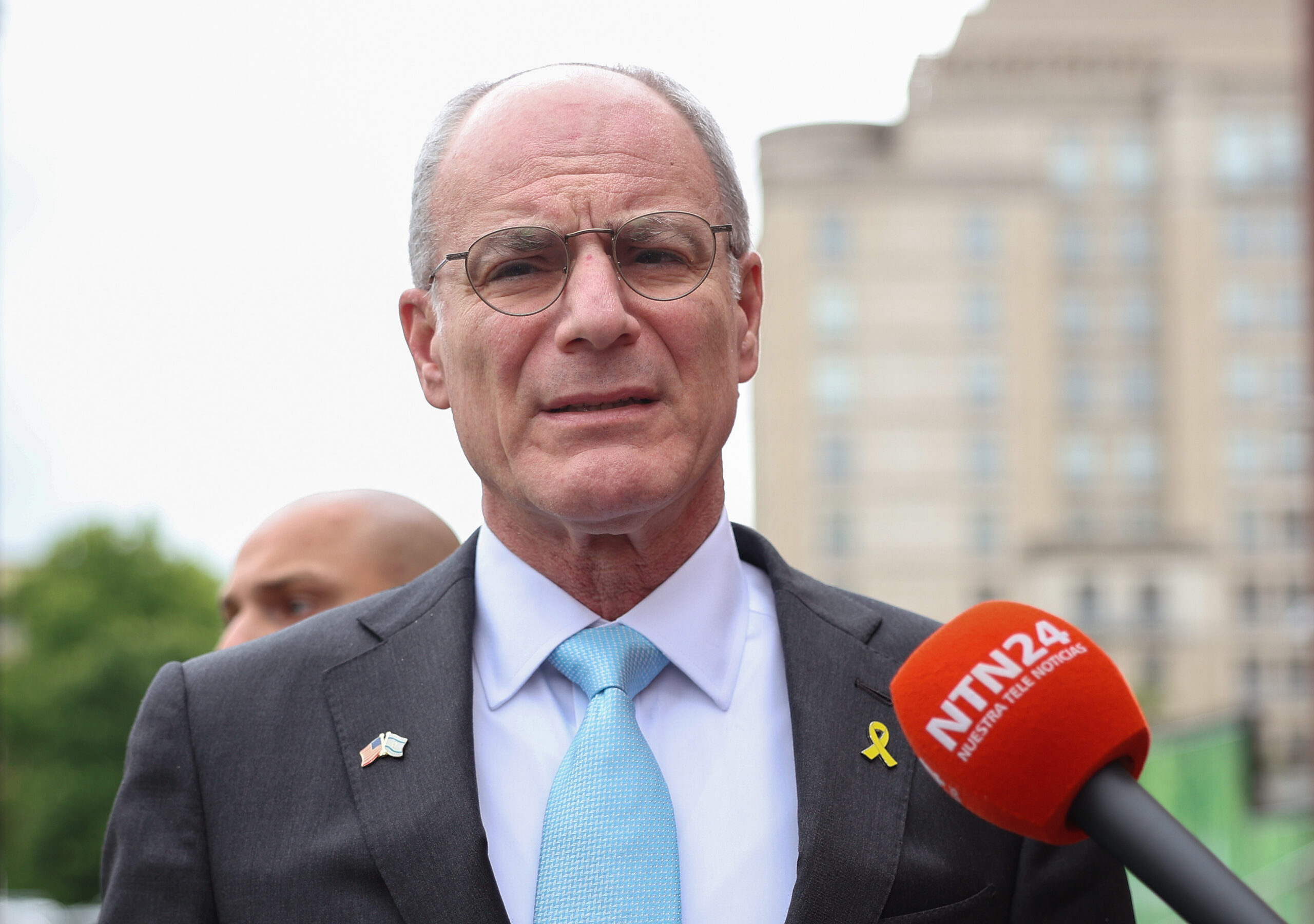
Israel and Lebanon’s Agreement with the U.S.: A New Understanding
The recent trilateral agreement involving Israel, Lebanon, and the U.S. marks a significant shift in diplomatic relations, particularly regarding the existing framework with Iran. Israeli Ambassador Yechiel Leiter emphasized that this new agreement supersedes the previous memorandum of understanding (MOU) between the U.S. and Iran. This development could reshape how regional dynamics play out, especially concerning ongoing hostilities and military actions.
Implications of the New Agreement
Ambassador Leiter highlighted the first clause of the memorandum, which focuses on halting hostilities in the region, particularly concerning Israel’s confrontations with Hezbollah. Notably, this clause was not agreed upon by Israel or Lebanon, leading to differing interpretations among involved nations like Iran, Pakistan, and Qatar. This divergence underscores the complexities of regional diplomacy as each nation views the agreement through its own lens, particularly regarding its significance in overriding past frameworks.
The next phase of talks is scheduled for July 14 and 15 in Rome, where Lebanese President Joseph Aoun is also expected to discuss matters with President Trump on July 21. The upcoming discussions could further clarify positions and lead to a more cohesive strategy moving forward.
Focusing on Regional Security
Leiter characterized the MOU as primarily a strategy to ensure the reopening of the Strait of Hormuz rather than a comprehensive peace agreement. He advised adopting a “wait and see” perspective on future dialogues aimed at establishing long-term restrictions on Iran’s nuclear and missile capabilities. This cautious approach reflects concerns about Iran’s potential to reestablish a path toward nuclear weaponization, an issue that looms large in discussions about Middle Eastern security.
He stated that the deal fundamentally seeks to facilitate navigation through the Strait but does not address the broader issue of Iran’s nuclear ambitions. As discussions advance, the ambassador noted that clarity regarding timelines and outcomes will be essential, especially in light of upcoming political milestones such as the midterm elections.
Israel’s Role and U.S. Relations
Although Israel’s influence in U.S.-Iran negotiations is limited, Leiter affirmed that it will continue to voice its perspectives. He emphasized that Israel respects the U.S. decision-making process, despite occasional differences in policy viewpoints, such as the sale of F-35 fighter jets to Turkey. He sought to dispel notions that bad days in the U.S.-Israel relationship dominate discourse, asserting that media often exaggerates tensions based on isolated incidents.
Leiter robustly rejected accusations that Israeli Prime Minister Benjamin Netanyahu lured the U.S. into conflict with Iran, branding such assertions as fallacies rooted in antisemitic narratives. He maintained that Israel operates as any sovereign nation would, advocating for its interests while recognizing the autonomy of its ally, the U.S., to make independent choices regarding conflict.
Broader Diplomatic Context
In addition to navigating U.S.-Iran dynamics, Israel is currently addressing shifts within Democratic Party politics, referred to as “the Mamdani effect.” This internal transformation could further influence perceptions of Israel as left-leaning candidates gain traction with progressive and democratic socialist bases. Leiter articulated that Israel’s interactions form a piece of a much larger geopolitical puzzle, impacting alliances with nations across the globe, including those in the Gulf region and beyond.
In summary, the trilateral agreement involving Israel, Lebanon, and the U.S. signals a transformative phase in Middle Eastern diplomacy. As conversations unfold and differing interpretations of memos surface, the regional dynamics will likely evolve, reflecting the interconnectedness of local and global interests.