
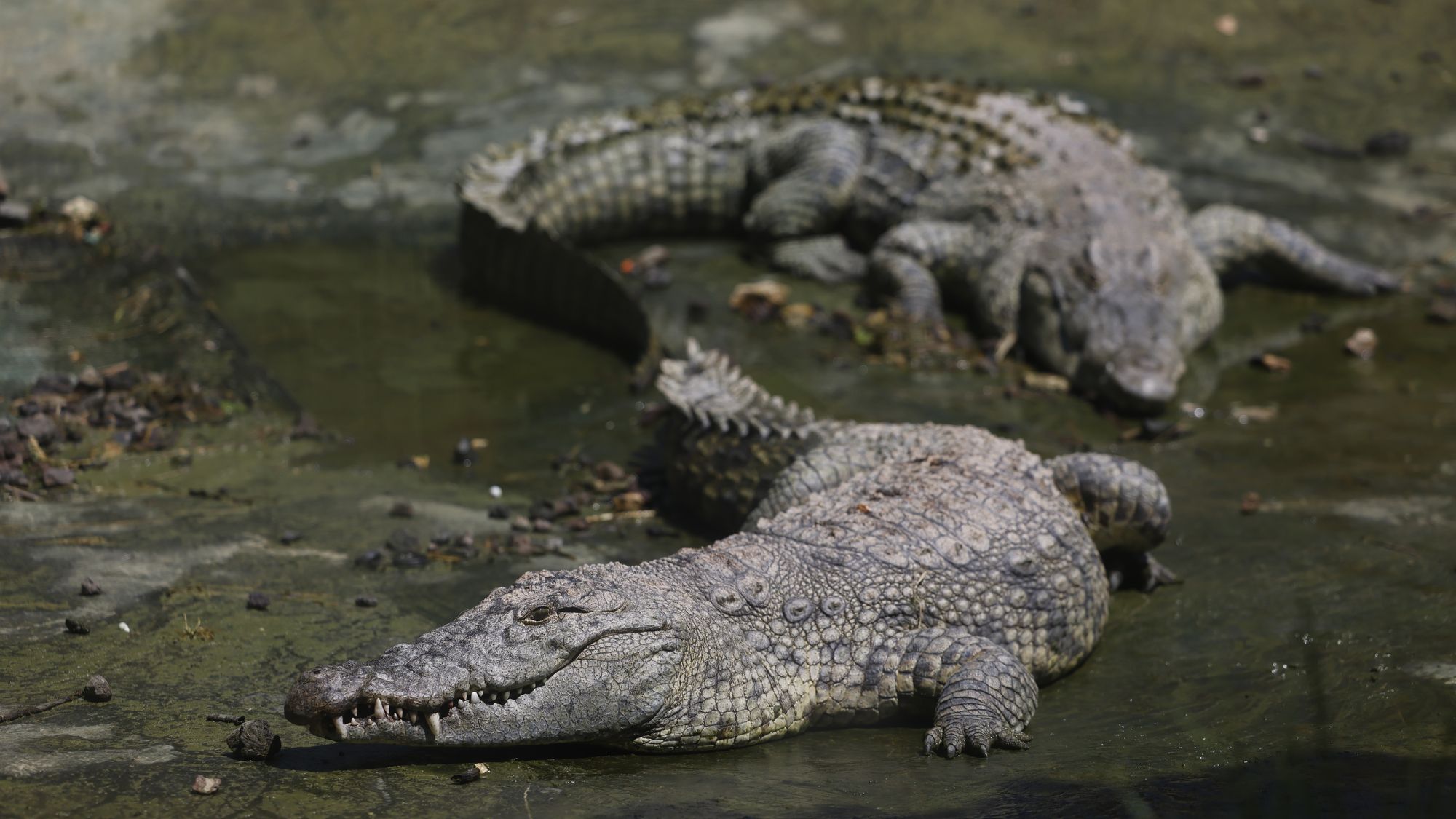
On Sunday, the Jerusalem District Court issued a temporary suspension of a contentious government initiative to introduce crocodiles around Ketziot Prison in southern Israel, pending further legal examination. This decision follows an urgent petition from the animal rights organization Let the Animals Live, which challenged the proposal’s ethics and environmental implications.
Legal Challenges and Government Response
The court’s interim injunction prevents any actions related to the transfer of crocodiles until a ruling is made on the matter. The state authorities are required to submit their response by August 16. The initiative was primarily advocated by National Security Minister Itamar Ben Gvir and Environmental Protection Minister Idit Silman. Their argument hinged on the notion that crocodiles would enhance security at the facility, which houses prisoners linked to Hamas. Ben Gvir drew parallels to American practices, specifically referencing similar setups in Florida as a basis for this controversial plan.
Concerns Raised by Conservationists
Despite government support, the Israel Nature and Parks Authority expressed strong opposition, stating that the comparison to Florida was unfounded. They emphasized that no thorough feasibility report had been conducted to assess the practicality of housing crocodiles in the arid conditions of the Negev desert. This lack of research raised significant concerns about the well-being of the animals and the potential hazards posed to the surrounding community.
In its petition, Let the Animals Live outlined that preparations for the project had already commenced. They reported activities such as the excavation of a canal around the prison and discussions with crocodile farms. Additionally, the organization claimed that around 21 million shekels had been earmarked for the initiative, pointing out that the decision was made without consulting professional authorities or legal advisors. The petition argued that the plan could endanger the animals involved, pose risks to public safety, and negatively impact the local environment.
Political Fallout and Public Reaction
In light of the court’s suspension, Ben Gvir voiced strong criticism of the judiciary, accusing it of thwarting efforts aimed at fortifying deterrence against incarcerated terrorists. He reiterated his long-held grievances against Israel’s judicial system, arguing that such interventions hinder the government from pursuing measures believed to enhance security in prison facilities.
This unfolding situation has sparked widespread discussions on both legal and ethical fronts. Many observers are keenly watching the ongoing legal proceedings to gauge their potential impact on future policies regarding animal welfare and security within Israel’s prison system. The balance between enhancing security measures and protecting animal rights remains a contentious issue that is likely to inspire further debate and scrutiny in the public sphere.
As the case progresses, it will be vital for both the government and animal rights advocates to engage in constructive dialogue to explore viable alternatives that can address security concerns without compromising ethical considerations for animal welfare.