
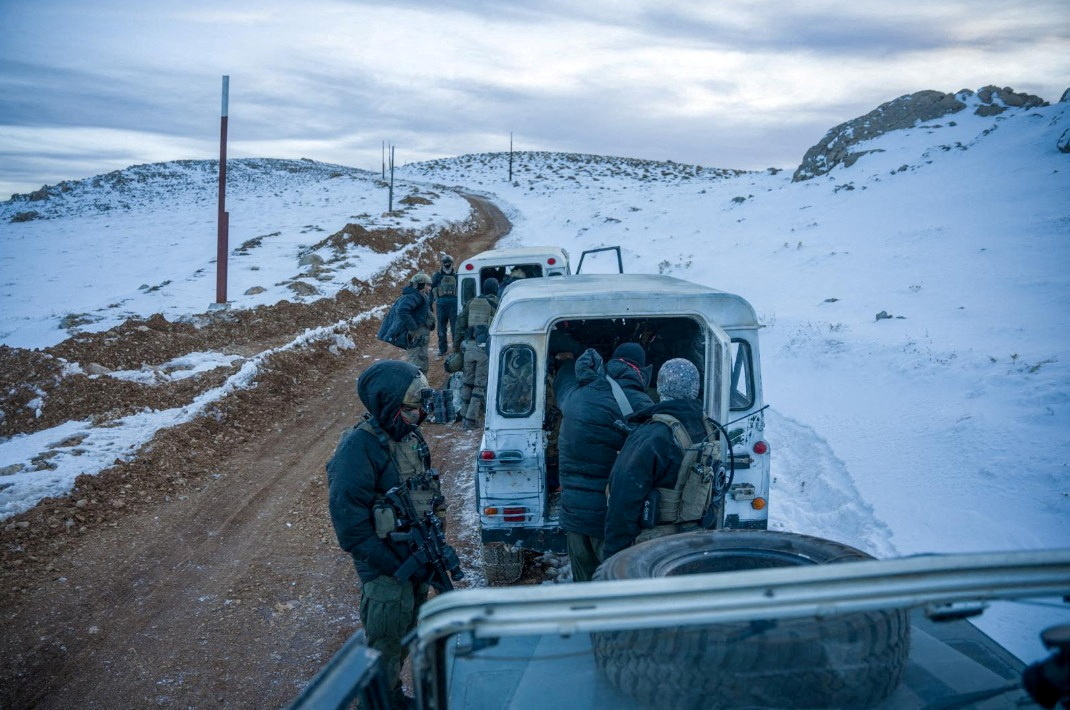
Israeli military operations have recently targeted former military installations associated with the Assad regime on Mount Hermon. This strategic move marks a notable escalation in regional tensions, affecting not just Israel and Syria, but the broader geopolitical landscape of the Middle East.
The Context of Israeli Military Operations
Israel remains highly vigilant regarding threats from neighboring countries, particularly Syria, where Iranian influence and the presence of militant groups pose significant security challenges. These military operations are often seen as preemptive strikes aimed at neutralizing potential threats before they can materialize. The Mount Hermon region, a crucial area due to its strategic vantage point, has frequently been the focal point of such operations.
In the past, Israel has justified its actions in the region by citing self-defense against Iranian entrenchment and the activities of groups like Hezbollah. These strikes not only serve to disrupt military capabilities but also send a clear message to adversaries that Israel will not hesitate to act when deemed necessary.
Impact on Syrian Infrastructure and Civilian Life
The strikes on military facilities, however, are not without consequences. The Syrian military infrastructure, already strained from years of civil war, suffers significant setbacks. These attacks can cripple military logistics and disrupt operations, while raising the risk of inadvertent civilian casualties in the densely populated areas surrounding these sites. Syrian state media has reported on the repercussions of these strikes, painting a picture of the ongoing struggle between the Assad regime and foreign powers, namely Israel.
Further complicating the situation is the fact that the Syrian public, already grappling with the aftermath of years of conflict, faces even greater uncertainty. The prospect of military escalation introduces additional layers of fear and anxiety, as civilians navigate an environment fraught with instability.
The Geopolitical Repercussions
The ongoing conflict in Syria, combined with Israel’s defensive strategy, contributes to an increasingly complex geopolitical landscape. The U.S. has historically shown support for Israel’s right to defend itself, further complicating the dynamics in the region. Russia’s role as a backer of the Assad regime adds another dimension, as it seeks to maintain its influence in Syria while managing its relationship with Israel.
Moreover, these military actions can influence alliances and enmities throughout the region. With Turkey, Iran, and various Arab states all having vested interests in the outcome of the Syrian conflict, any shift in military power can have reverberating effects.
The Path Forward
As tensions continue to rise, the international community watches closely. Diplomatic negotiations are essential, yet it remains unclear if a resolution is feasible in the current climate. Israel’s military posture is unlikely to change in the short term, given the persistent threats it perceives.
Future actions must balance security needs with the imperative to minimize civilian suffering and broader regional instability. The situation in Syria remains a poignant reminder of how interconnected modern conflicts are and how a single event can set off a chain reaction with far-reaching consequences.
In summary, the strikes on Mount Hermon underscore the complexities of the Middle East, where military strategy, national security, and the plight of civilians intertwine. The outcome of these efforts will likely shape not only the future of the Syrian state but also the landscape of regional politics for years to come.