
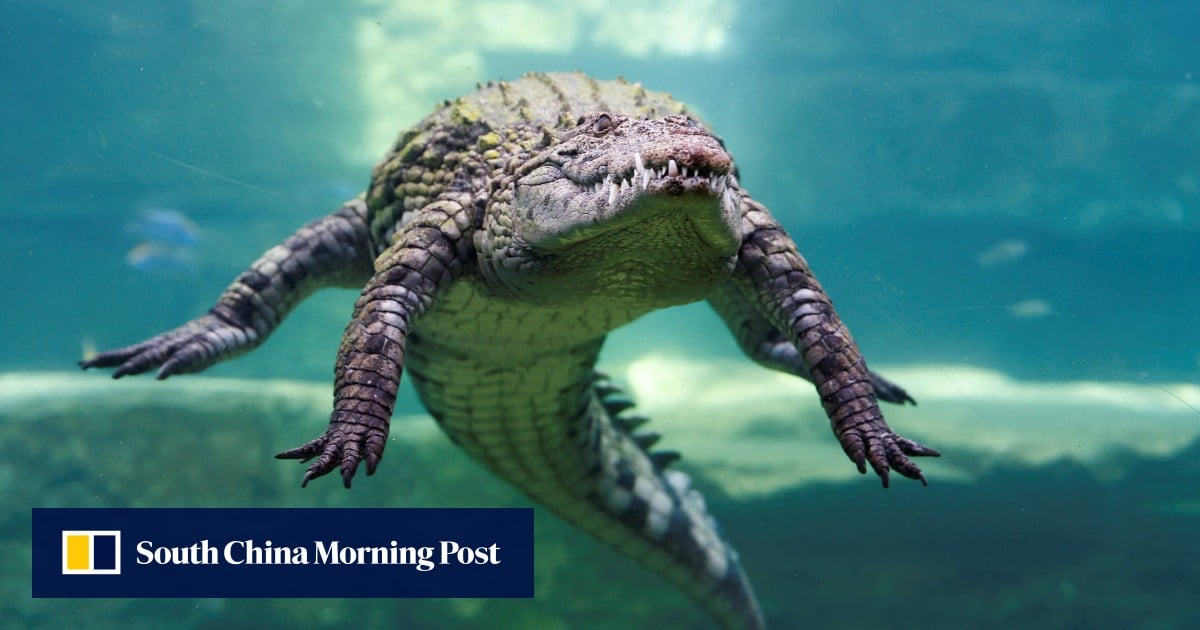
Israeli authorities are making headlines with a controversial decision regarding crocodiles, reclassifying them from being categorized as wild animals to “captive-bred wildlife.” This change by the Israeli Environmental Protection Minister, Idit Silman, paves the way for utilizing these reptiles in security settings, potentially to prevent prison escapes.
Crocodiles for Security Measures
Far-right National Security Minister Itamar Ben Gvir has publicly supported this decision. He previously suggested the idea of surrounding a prison holding Palestinian detainees with crocodiles, similar to the infamous “Alligator Alcatraz” facility in Florida. This radical measure aims to enhance security and deter any escape attempts. In a recent social media post, Ben Gvir shared an AI-generated image portraying himself with a crocodile on a leash, encouraging would-be escapees to reconsider their plans with a lighthearted warning: “Are you thinking of attempting to escape? Think again.”
Reactions and Opposition
While the reclassification has garnered some enthusiasm from government officials, it has also faced criticism. Reports from Israel’s Channel 13 indicate that the Israel Nature and Parks Authority opposed Ben Gvir’s crocodile proposal when it was initially introduced last year. The authority raised concerns over the potential ethical and ecological impacts of using such animals for security measures, suggesting a disconnect between governmental policy-making and wildlife conservation efforts.
New Oversight and Regulation
With this reclassification, oversight of crocodiles is shifting from the Nature and Parks Authority to a “security body.” This means that entities like the Israel Prison Service, which is under Ben Gvir’s administration, will play a direct role in managing these reptiles. Critics argue that this change could lead to a troubling precedent where wildlife regulations are compromised for the sake of security tactics.
The move raises significant questions about the ethical implications of using animals in human-operated security measures. Proponents claim that the presence of these fierce reptiles could effectively deter escape attempts, while opponents worry about the welfare of the animals and the broader message it sends about using wildlife in law enforcement.
As the situation unfolds, many eyes will be on how this policy is implemented and whether it will face further scrutiny from conservationists and the public alike. This decision reflects a growing trend of controversial security measures that not only impact animal welfare but also signal a shift in governmental priorities regarding security and ethics.