
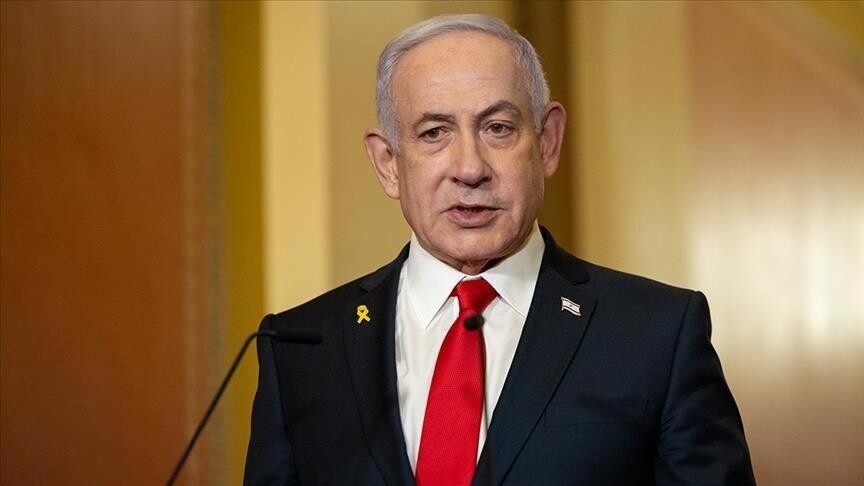
Israeli Prime Minister Benjamin Netanyahu has taken definitive action in response to the documentary NAZA, which investigates Israel’s military operations in Gaza. This move has sparked significant debate surrounding military transparency and international accountability.
Netanyahu’s Directive Against Documentary Participants
In an effort to counter the claims made in the film, Netanyahu has instructed the security forces and the attorney-general to identify and take legal action against Israeli soldiers and officers who participated in the documentary. In a correspondence to high-ranking officials, including Army Chief of Staff Eyal Zamir, Shin Bet Chief David Zini, and Attorney General Gali Baharav-Miara, he accused those involved of “serious information security offenses” and “criminal defamation.” He argued that the documentary negatively impacts Israel’s diplomatic and security standing globally, as reported by Haaretz.
Insights from the Documentary “NAZA”
The award-winning film delves into the usage of artificial intelligence and automated surveillance by the Israeli military, particularly focusing on targeted killings. The title, NAZA, is derived from military jargon that references estimates of civilian casualties from airstrikes. The documentary illustrates the severe human toll of the military campaign, revealing that over 74,000 Palestinians have been killed and more than 175,000 injured since October 2023, during a period characterized as one of extensive violence and destruction in the Gaza Strip.
Claims of Distortion and Defense
Netanyahu has condemned the film for propagating a “false, misleading, and biased narrative” that tarnishes the image of Israel’s military and undermines its international reputation. He expressed concern that the filmmakers may have compromised classified information, suggesting serious criminal implications for those involved. Military Advocate General Itai Offir noted that while potential criminal charges depend on the exposure of sensitive information, command measures could apply if military protocols were breached.
In contrast, The Guardian, which produced the documentary, has robustly defended its integrity. They maintained that the claims presented in the film were rigorously verified, based on testimonies from 24 military personnel, with more than 100 interviews conducted to ensure factual accuracy. This includes insights from senior commanders who were instrumental in authorizing military strikes in Gaza.
Ongoing Legal and International Scrutiny
The debate surrounding NAZA is reflective of larger questions regarding military operations and humanitarian accountability. In light of the film’s release and growing international scrutiny, the International Criminal Court has issued arrest warrants against Netanyahu and former Defense Minister Yoav Gallant for alleged war crimes. Simultaneously, the International Court of Justice is considering claims from South Africa and other nations accusing Israel of genocide against Palestinians in Gaza.
As Israel navigates this turbulent phase, the implications of military narratives on public perception and international relations continue to unfold. The situation emphasizes the complexities of warfare, human rights, and the legal responsibilities that come with both. The ongoing response from Israeli authorities towards the documentary’s findings will be closely monitored as it raises profound questions about transparency, accountability, and the role of media in conflict.