
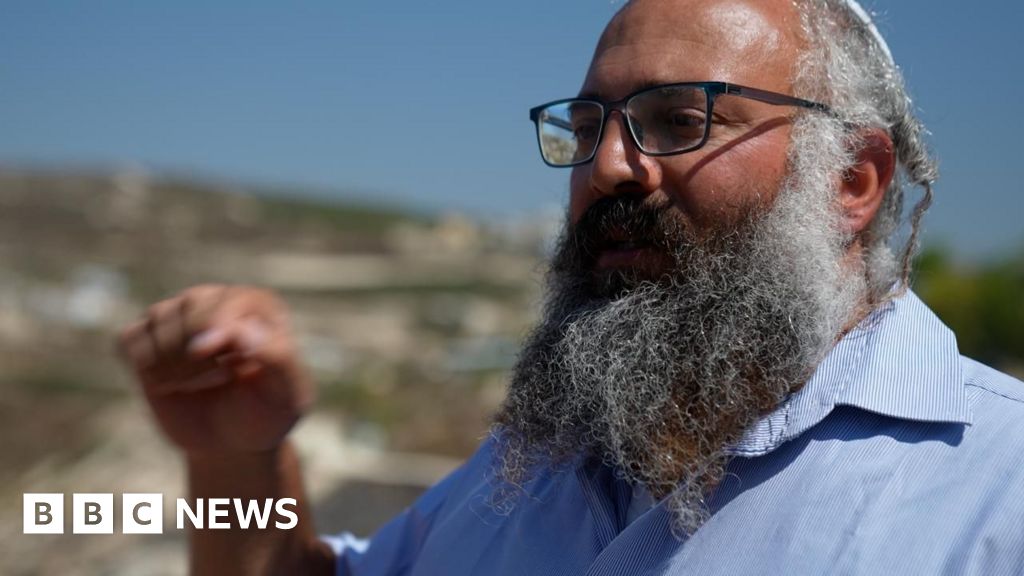
The relationship between Israel and Palestine is complex, marked by ongoing tension and conflict. This dynamic often leads to heated debates on international platforms. The role of the United Nations in these discussions is critical, as it provides a space for dialogue and attempts to mediate the disputes faced by these two nations. However, the interpretative lens through which these events are viewed can drastically alter the narrative.
The Role of the United Nations in Middle Eastern Conflict
The United Nations serves as a neutral ground for discussions surrounding the Israeli-Palestinian conflict. Various factions, including the Israeli government and army, acknowledge the significance of international dialogue when both sides engage in conversations about their grievances. The presence of such organizations underscores the complexities involved in achieving peace. While the intent may be to foster understanding and lessen hostility, the outcomes can sometimes be more complicated. By separating the groups rather than facilitating reconciliation, the risk of misunderstandings and escalating violence remains prevalent.
Consequences of the Ongoing Tensions
Despite the presence of international oversight, violence continues to haunt the region. Statements made by individuals affected by this conflict shed light on the underlying realities. For instance, there are claims suggesting that while the Israeli army may refrain from direct violence against Palestinians, the resulting separation only deepens the animosity. This leads to a vicious cycle where misunderstandings fester, ultimately resulting in retaliatory actions. The absence of a fair resolution leaves room for perpetuating conflict, causing pain and suffering on both sides.
Community Responses and International Reactions
Local communities are often left to navigate the repercussions of ongoing tensions, which may result in mistrust and fear on both sides. As violence erupts, responses from the international community become critical in shaping future interactions. Diplomatic measures can either help mend relationships or further fracture them, depending on the strategies employed. Understanding the perspectives of both Israelis and Palestinians is essential in fostering dialogue genuinely aimed at peace.
Path Forward: Seeking Sustainable Solutions
For lasting peace to be achieved, a renewed focus on collaborative initiatives is essential. Open dialogues, humanitarian approaches, and mutual respect for each side’s narratives can yield positive outcomes. The ultimate goal should be not just to reduce violence but to create a foundation for coexistence that allows for growth and understanding. Engaging in constructive discussions is key to moving past entrenched positions that have only served to exacerbate conflict.
In summary, the Israeli-Palestinian conflict highlights the necessity of mutual engagement and understanding in resolving age-old grievances. By examining the role of the United Nations, recognizing the impact of ongoing tensions, and emphasizing community connections, we can work toward a future that transcends division. The journey to peace is complicated, but with concerted efforts, it is achievable.