
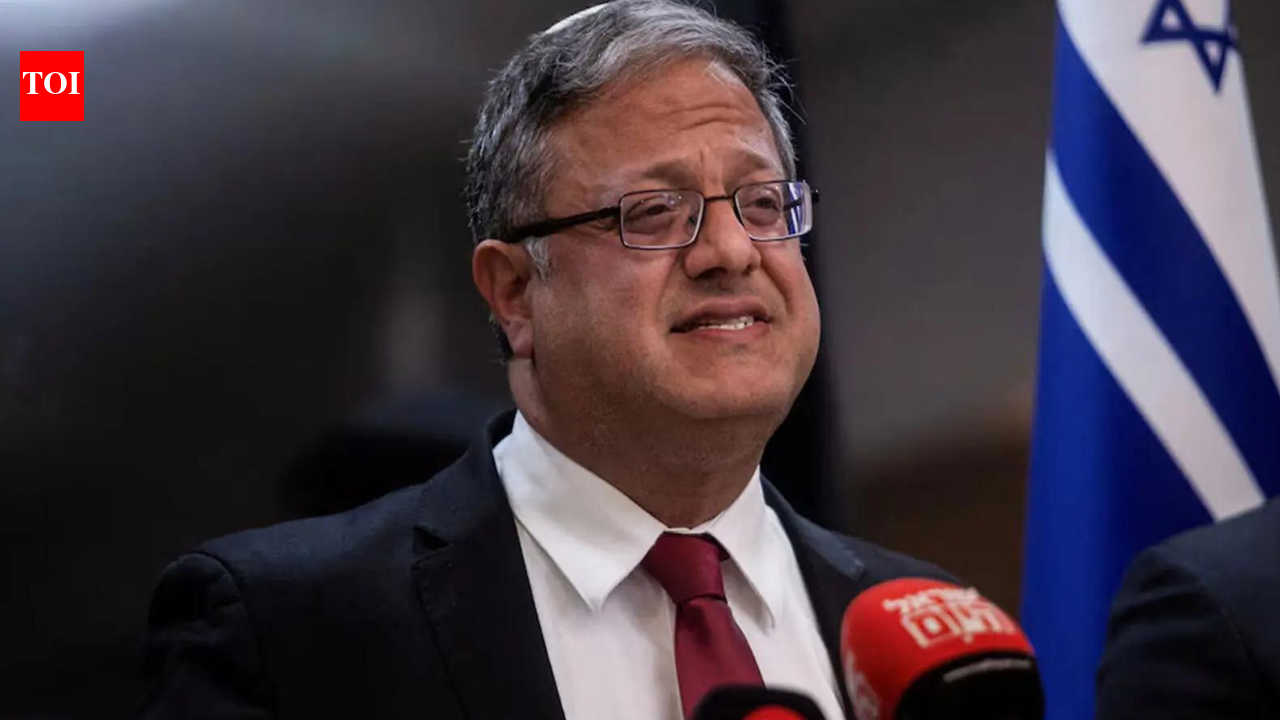
Israeli national security minister Itamar Ben-Gvir has stirred up significant controversy following his recent comments advocating for increased violence in Gaza. During a podcast discussion, he suggested that Israel should target and kill “30 to 40” people in Gaza each night. This provocatively stated intention appears to reflect his belief in a more aggressive military stance in response to the enduring conflict, particularly in light of the aftermath of Hamas’s attack on October 7, 2023.
Ben-Gvir’s Controversial Remarks
Ben-Gvir, a key figure in Prime Minister Benjamin Netanyahu’s coalition, expressed his views while talking with former Gaza hostage Rom Braslavski. He emphasized his disagreement with Netanyahu, urging that targeted assassinations should occur nightly and revealing a disturbing mindset towards the Palestinian population. He stated, “There are people there who are not worthy of life. They shouldn’t live. They’re not even people.” This rhetoric has drawn intense scrutiny and backlash, as similar statements by Israeli officials have previously been cited in international fora, including the UN’s International Court of Justice, to support claims of genocidal intent against Palestinians.
The Political Context
Despite his provocative statements, it’s important to note that Ben-Gvir does not have command over Israel’s military forces, and therefore cannot directly order strikes. However, he wields considerable influence over aspects of Israel’s security policy, including the national police and prison services. His history in far-right politics has positioned him as a formidable player in Israel’s current political landscape, often highlighted by his past actions, such as advocating for decreased food rations for Palestinian prisoners, an issue that has caught the attention of the country’s legal system.
Strikes and the Ongoing Conflict
The current state of affairs in Gaza has been marked by heavy military activity, with significant loss of life reported. Since an October truce, Gaza’s health ministry asserts that more than 1,250 people have perished in Israeli strikes, which Israel claims are aimed at Hamas militants. However, many criticize these strikes as indiscriminate and exacerbating the humanitarian situation. In recent days, the frequency of these strikes appears to have diminished, possibly as a concession to U.S. President Donald Trump’s diplomatic efforts to broker peace, which includes proposals for disarmament and a potential withdrawal of Israeli forces from Gaza.
Challenges to Peace Efforts
The political deadlock remains across various fronts, as Netanyahu has made it clear that Israel will not engage in any withdrawals or changes to its military strategy until Hamas is fully disarmed. This hardline stance complicates potential paths to peace, stalling initiatives aimed at establishing an international presence in Gaza and efforts to rebuild the war-torn region. Hamas has indicated a willingness to discuss disarmament, but they have tied conditions to their overarching goal of statehood, something firmly opposed by the current Israeli administration.
In summary, Itamar Ben-Gvir’s alarming remarks come at a time when the Israeli-Palestinian conflict is at a critical juncture. His call for increased violence intensifies the already volatile situation, drawing international concern and renewing discussions around the humanitarian implications of military actions in Gaza. The division between political and military strategies on both sides raises significant challenges for achieving lasting peace.