
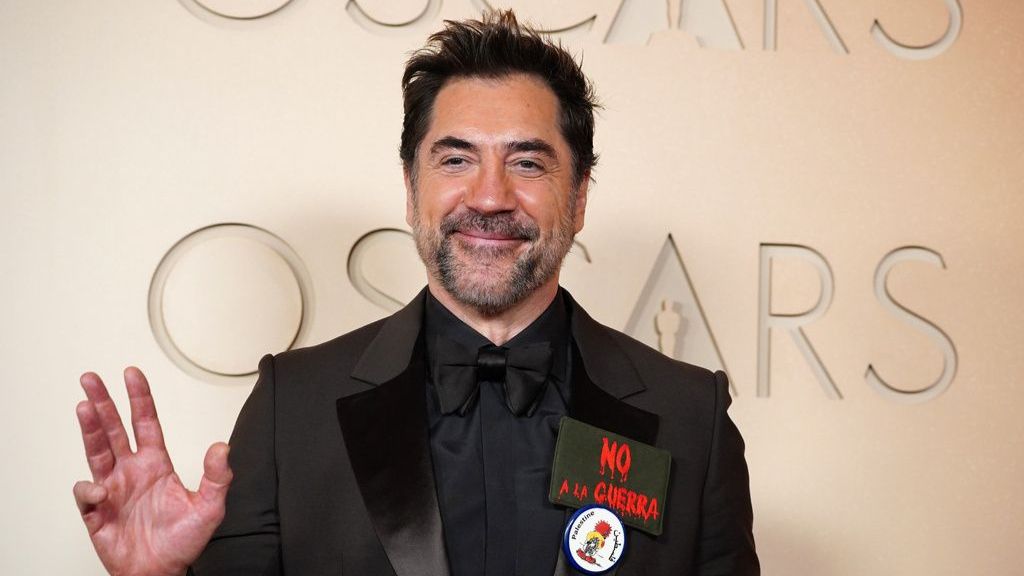
Oscar-winning Spanish actor Javier Bardem has recently stirred controversy by endorsing a conspiracy theory linking Israel to the recent mass influx of migrants from Morocco into Spain. This development comes at a time when geopolitical tensions are high, particularly concerning Spain’s stance against actions taken by Israel and the US in various conflicts across the Middle East.
The Controversial Claim of Israeli Involvement
Bardem shared a post on Instagram that insinuates Israel may have played a role in the significant breach of Spain’s borders, where approximately 50,000 young Moroccan men surged into Ceuta, a Spanish enclave in North Africa. The post posited, “Spain has been Europe’s loudest voice against Israeli and US war crimes in Palestine, Lebanon, and Iran,” thereby suggesting that this migration crisis could be a tactic to undermine Spain’s political credibility and stability.
The Instagram post raised eyebrows as it stated, “We don’t know who engineered this crisis, but we know who benefits from a weakened, destabilised Spain: Israel and the Western far-right eager to turn migration into a weapon against Muslims.” This narrative positions Israel as a manipulative force behind the scenes, implying ulterior motives in the context of European migration policies.
Social Media Amplification and Public Reaction
Bardem’s sharing of this information has served to amplify the conspiracy theory significantly, reaching millions of his followers. He went a step further by linking the Moroccan migration crisis to a broader alleged alliance involving Israel and the United States, aimed at destabilizing regional politics. By reposting these claims, he has not only garnered attention but also sparked extensive debate across various platforms.
The posts cited a past social media comment made by Yair Netanyahu, son of Israeli Prime Minister Benjamin Netanyahu, suggesting that Arabs and Muslims wishing to liberate “occupied lands” might start with areas like Ceuta and Melilla. This historical reference provided a context that some commentators argue highlights Spain’s inconsistent approach toward claims of territorial occupation.
The Wider Impact of the Conspiracy Theory
The conversation around Bardem’s endorsement has gained traction not just on Instagram but also on platforms like X, where the theory has been echoed by various influencers across the political spectrum. Prominent figures from both liberal and conservative realms, including Ana Kasparian and Sean Davis, have weighed in on the unfolding narrative, bringing it further into public discourse.
The growing influence of this conspiracy theory raises questions about the responsibilities of public figures in the digital age. With social media serving as a significant platform for news and information dissemination, the potential for misinformation to spread rapidly is a critical concern. Moreover, Bardem’s situation exemplifies how celebrity endorsements can alter the trajectory of public perception, making it crucial to analyze and scrutinize the claims being made.
In conclusion, Javier Bardem’s social media posts linking Israel to the recent Moroccan migration crisis have opened up a complex dialogue regarding geopolitical narratives and misinformation. As more public figures engage in such discussions, the implications for international relations and domestic politics become ever more significant, urging audiences to discern fact from conjecture in a rapidly evolving digital landscape.