
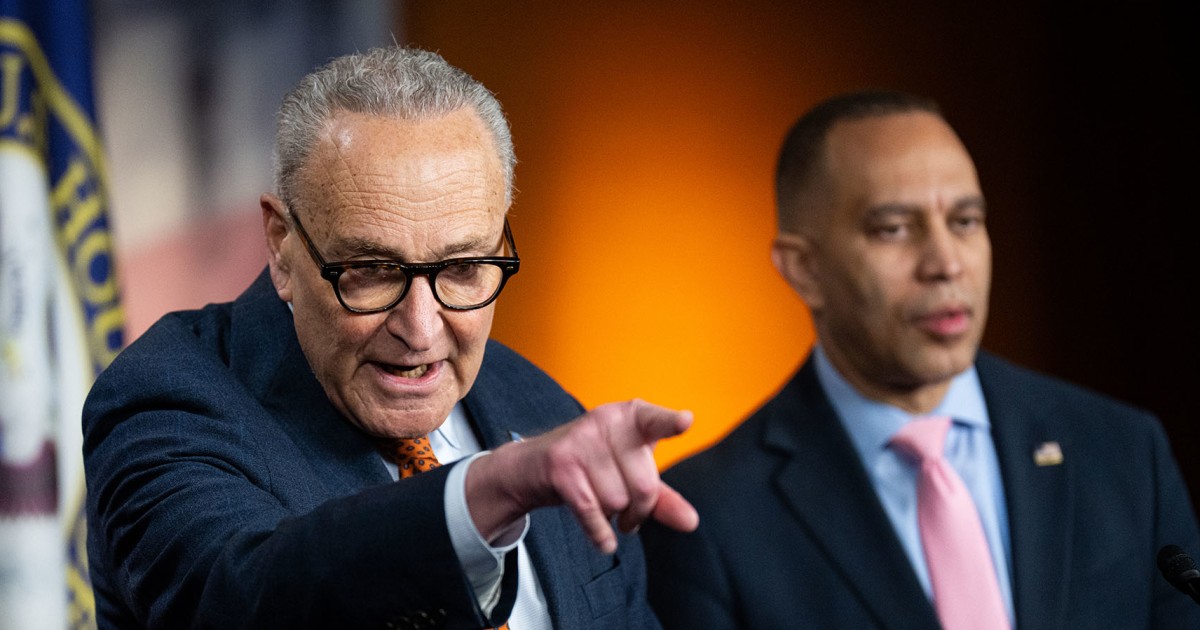
The recent Jewish Democratic Council of America Leadership Summit in Washington highlighted the tension surrounding the Democratic Party’s evolving stance on Israel. Prominent pro-Israel Democrats expressed concerns that the party is struggling to maintain support from Jewish voters amid shifting attitudes towards Israel among its members.
Evolving Views on Israel Among Democrats
A notable shift has occurred in how Democratic voters perceive Israel, particularly in light of changing political dynamics. Many Democrats have grown increasingly critical of Israel’s actions, especially in relation to ongoing conflicts. This critical perspective often intertwines with broader criticisms that some argue veer into antisemitism, further alienating Jewish constituents. The tension raises questions about whether Democratic leaders can reconcile their support for Israel with the opinions of a vocal, more progressive faction within the party.
Polling data indicates a significant decline in support for Israel among Democrats. Earlier surveys showed that 57% of Democrats held negative views of Israel, a sharp increase from 35% just a year prior. Additionally, there has been a striking rise in the number of Democrats who sympathize more with Palestinians than with Israelis, suggesting a deeper divide forming within the party. This is underscored by other studies showing that for the first time, a majority of Americans express greater sympathy towards Palestinians over Israelis.
Impact of Political Leadership on U.S.-Israel Relations
Former House Speaker Nancy Pelosi’s remarks at the summit aimed to differentiate criticism of Israel’s leadership from rejection of the U.S.-Israel relationship itself. She quoted an Israeli poem to emphasize that dissenting opinions on leaders should not dilute support for Israel. Her sentiment reflects a broader concern among pro-Israel Democrats that growing frustrations with Israel’s current government could further alienate Jewish voters, especially as criticisms of Prime Minister Netanyahu’s administration mount.
Congressional leaders such as Senate Minority Leader Chuck Schumer and House Minority Leader Hakeem Jeffries reiterated their commitment to fighting antisemitism while maintaining a strong affiliation with Israel. Halie Soifer, the CEO of the Jewish Democratic Council of America, acknowledged that although the party supports Israel, it does not mean accepting all policies of the current Israeli government. This nuanced viewpoint aims to appease both pro-Israel supporters and those advocating for Palestinian rights.
Future Implications for the Democratic Party
The ongoing discussions and divisions indicate that upcoming electoral cycles will likely see intensified debates over Israel. With various Democratic lawmakers labeling Israel’s actions in Gaza as genocidal, the stakes are higher than ever. Notably, progressives are under pressure to balance their criticism of Israel while rallying support amidst fears that associating with more radical views could further complicate their electoral prospects.
Challenges will emerge in races like the Michigan Senate primary, where candidates grapple with how to position themselves on Israel-related issues. As political affiliations shift and evolve, Democrats are tasked with navigating the complexities of their diverse voter base, which now includes a growing faction wary of traditional pro-Israel stances.
In conclusion, the Democratic Party is at a crossroads regarding its relationship with Israel. As public sentiment shifts, the party will need to navigate its historical ties while addressing the concerns of younger voters and diverse constituents. How they reconcile these dynamics will shape not only the party’s future electoral outcomes but also the ongoing U.S.-Israel relationship.