
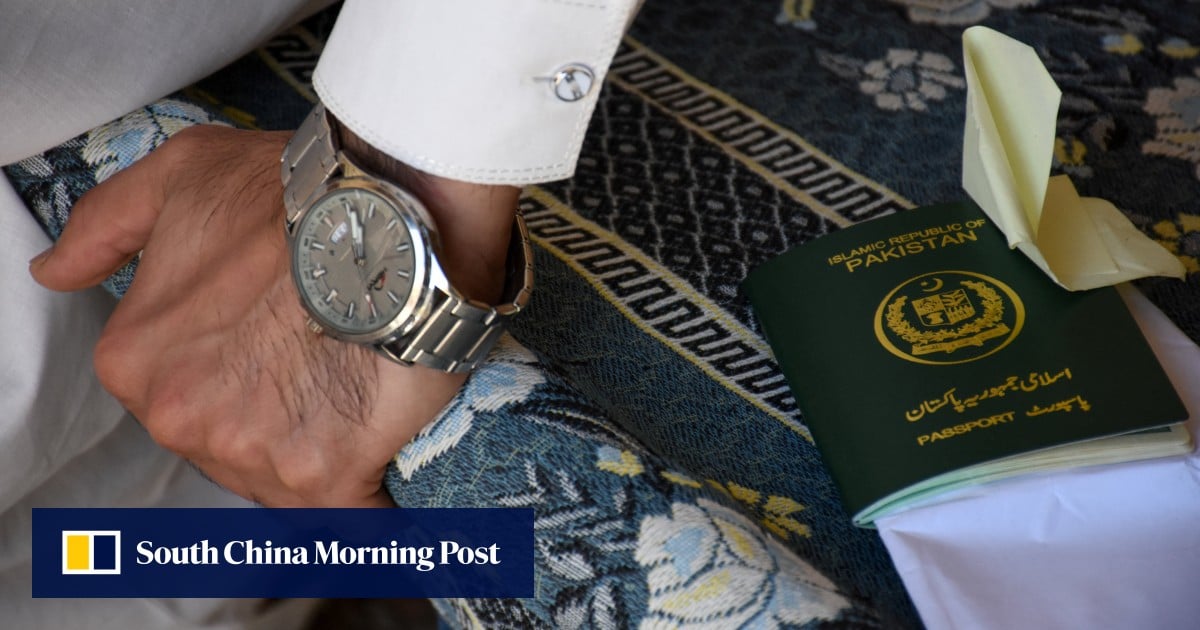
In a rural area of Chakwal district, Pakistan, a troubling situation has arisen for over 100 Shiite Muslims recently returned from the United Arab Emirates (UAE). These individuals find themselves without employment, personal belongings, or access to the savings they had meticulously accumulated over the years while working abroad.
Increased Deportation of Shiite Muslims
The ongoing war between the US and Israel against Iran has reportedly led to a rise in the number of Shiite deportees from the UAE to Pakistan. Human Rights organizations, including Human Rights Watch, are now investigating the matter, which has raised significant concern within Pakistan’s Shiite community. Eyewitness reports suggest that the issue could extend to thousands of deported Shiites, raising questions about their treatment and the implications of their return.
Evidence collected from immigration documents and visa status screenshots reveals that 103 Pakistanis identified themselves as deported Shiite Muslims. In interviews conducted with 24 of these individuals, each reported similar troubling experiences — they were not allowed to retrieve their luggage or savings before being placed on flights back to Pakistan. Many of them were deported alongside numerous other Shiites, which underscores a troubling trend that community leaders believe is politically motivated.
Human Rights Concerns and Community Response
The Majlis Wahdat-e-Muslimee, a Pakistani Shiite political organization, has compiled information indicating that around 7,500 expatriate Shiites have been deported from the UAE since February 28. The spokesperson for this group, Mohsin Abidi, suggests that the actual number is likely much higher. This alarming statistic has led to a growing outcry within the Shiite community and has heightened fears for their safety abroad.
Moreover, Pakistani Shiite leaders assert that the pace of deportations has accelerated significantly amid rising regional tensions. There are widespread concerns that the deportations are being specifically directed at Shiite individuals amid the geopolitical crisis. However, those investigating the specifics point out an absence of clear criteria used by UAE authorities for deportation selection.
The UAE Ministry of Foreign Affairs has refrained from providing comments on queries related to the deportations, leaving many questions unanswered. Pakistan’s interior ministry has stated that no individuals were deported based on sect, claiming that any actions taken were due to violations of local regulations. Conversely, the foreign ministry has stated that deportation figures have remained steady this year, although detailed insights have not been shared.
The Larger Implications for Pakistani Shiites
A senior government official in Pakistan, preferring to remain anonymous, indicated that Islamabad is reassessing the situation in light of the thousands of deported individuals, most of whom belong to the Shiite community. This review suggests a growing awareness of the broader implications for the Shiite population within Pakistan. While the government has yet to make an official diplomatic stance, the need for protective measures and closer scrutiny of this troubling trend is increasingly clear.
As the situation continues to unfold, the Pakistani Shiite community watches closely, fearing further repercussions as tensions rise in the region. The deportations not only highlight the precariousness of their situation abroad but also showcase the potential for growing unrest back home, as families confront financial struggles and uncertainty in the wake of their loved ones’ sudden and involuntary return.