
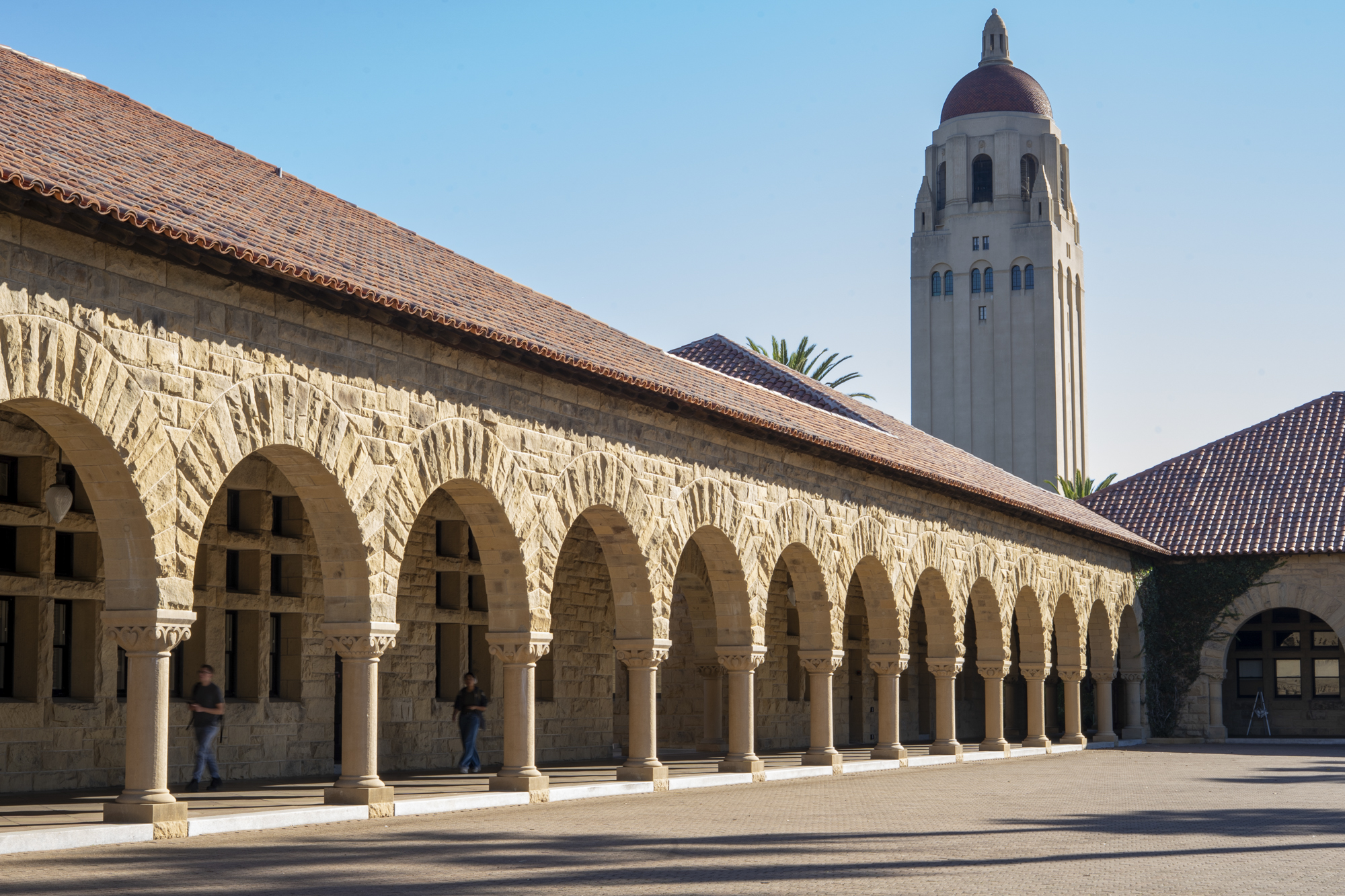
A recent ruling by a federal judge in California has highlighted significant concerns over the suppression of free speech in academic settings. The decision comes as a win for the student newspaper, The Stanford Daily, which argued that the threat of deportation deterred noncitizen students from freely expressing their views or participating in campus activities. This case raises critical questions about the balance between national security measures and constitutional rights.
First Amendment Rights at Stake
The ruling emphasizes the First Amendment’s role in protecting free speech, especially in educational institutions. Judge Noël Wise asserted that the government’s actions, aimed at addressing criticisms about Israel’s military actions in Gaza, constituted an unconstitutional effort to silence dissent. This judicial decision stemmed from the broader implications of policies established during the Trump administration. According to Judge Wise, “Freedom of speech is illusory if we are only ‘free’ to express complementary views about the government.” This perspective underscores the necessity of fostering an open dialogue, particularly in academic environments where varied viewpoints are essential.
Impact on Noncitizen Students
The ruling specifically addresses how fear of deportation, stemming from controversial policies, has led some international students to stifle their voices. The Stanford Daily reported instances where students refrained from expressing their opinions, driven by a justified anxiety over the repercussions they might face. Judge Wise’s decision reflects a recognition of this chilling effect, asserting that such fears undermine the fundamental freedoms that should be protected on college campuses.
Legal Precedents and Broader Implications
This decision aligns with previous legal findings that challenged the constitutionality of deportation based on political beliefs. Just under a year ago, a district judge in Boston ruled against the Trump administration’s targeting of noncitizens for deportation due to their criticism of Israeli policies. Such rulings reinforce the idea that free speech and the press form the foundations of American democracy. Judge Wise’s decision complements these previous judgments by arguing against the vagueness and ambiguity present in the federal government’s directives on deportations.
The Chilling Message of Retaliation
Throughout the ruling, Judge Wise noted the various ways in which government actions have led to a stifled environment for political discourse. The judge highlighted incidents where U.S. immigration officials retaliated against speakers who expressed support for Palestinian rights or criticized Israel. The sweeping nature of these actions sends a clear, intimidating message to students: speaking out against the government or taking a stand on controversial issues can potentially jeopardize their immigration status. In addressing this, Wise captured the sentiment of many noncitizen students who feel compelled to remain silent: “The silence is deafening.”
In conclusion, the ruling serves as a significant reminder of the continual struggle to uphold free speech in academic environments. As institutions of learning aim to nurture critical thought and diverse opinions, it is crucial that protective measures for these freedoms continue to evolve. The discourse surrounding political expression, particularly for noncitizens, will likely remain a contentious issue as society grapples with the implications of national security on individual rights. The case stands not just as a legal decision but as a vital affirmation of the principles of free speech and expression that form the cornerstone of democratic society.