
The upcoming vote in the House of Representatives on a controversial proposal to withhold military aid to Israel has intensified divisions within the Democratic Party. This debate highlights the growing dissatisfaction among party members regarding U.S. support for Israel, especially in light of recent election losses tied to this issue. The outcome of this vote could significantly shape the party’s perspective on foreign policy and its relationship with Middle Eastern allies.
The Proposal and Its Background
The amendment, introduced by Republican Congressman Thomas Massie, seeks to block $3.3 billion in military aid to Israel. This proposal has sparked considerable debate, particularly among Democrats who are wrestling with their voters’ demands for a reevaluation of U.S. support for Israel. Recent primary contests have seen incumbents defeated by candidates advocating for a more critical stance towards Israel, underscoring the urgency of this issue within the party.
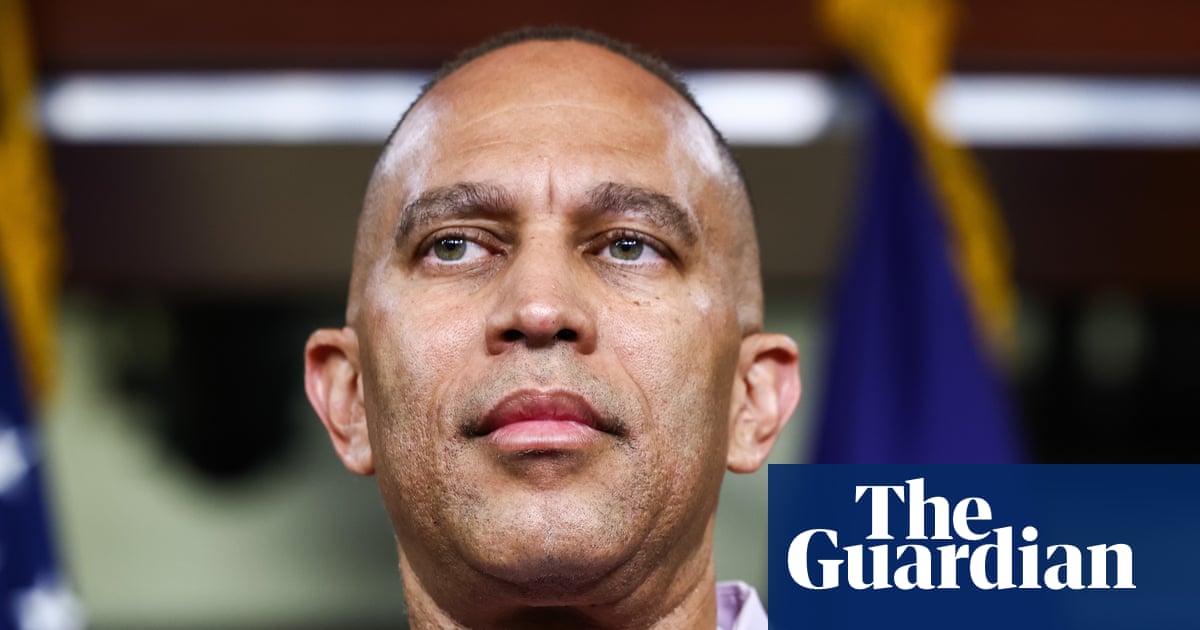
The proposal is part of a larger piece of legislation funding the State Department and associated agencies for the upcoming fiscal year. House Minority Leader Hakeem Jeffries, along with other prominent Democrat leaders, has articulated strong opposition to Massie’s amendment, suggesting that it is “overly broad” and could unintentionally compromise humanitarian aid initiatives. During a press conference, Jeffries expressed his belief that alternative approaches could more effectively address the concerns around the Netanyahu administration without cutting off critical assistance.
Diverging Views Within the Party
While Jeffries and others oppose the amendment, progressive factions within the party are leaning toward supporting it. Congressional Progressive Caucus Chair Greg Casar recently encouraged his colleagues to back the amendment, arguing that the American populace is increasingly advocating for a halt to U.S. taxpayer dollars funding Israel’s military. He noted the recent primary defeats of moderate Democrats, suggesting that the party must adopt a new approach to relations with Israel and Palestine.
Despite differing opinions, many leaders within the Democratic Party recognize the need for a re-evaluation of the U.S.-Israel relationship. Both Jeffries and fellow party member Pete Aguilar have indicated that U.S. foreign policy should adapt to the shifting dynamics in the Middle East. They assert that there is a growing consensus on the need to reassess and redefine support for Israel, especially in light of actions taken by the Netanyahu government that have faced international scrutiny.
The Future of U.S.-Israel Relations
As the vote approaches, the implications for U.S.-Israel relations are becoming increasingly significant. Jeffries has called for a “major reset” based on two core principles: ensuring Israel’s right to exist while also acknowledging the need for a Palestinian state. With future agreements expected to shift away from previous commitments that lacked consideration for human rights, party leaders are beginning to stress the importance of aligning these agreements with U.S. values and laws.
The evolving perspectives on Israel among Democratic lawmakers indicate a growing recognition of the need for a comprehensive approach to foreign policy that resonates with the party’s electorate. Lawmakers are actively reflecting on how to balance long-standing alliances with emerging demands for humanitarian considerations, marking a pivotal moment in the party’s stance on international relations. As Democrats prepare for pivotal elections, this ongoing discourse will likely influence both their internal dynamics and their positioning on foreign policy issues.