
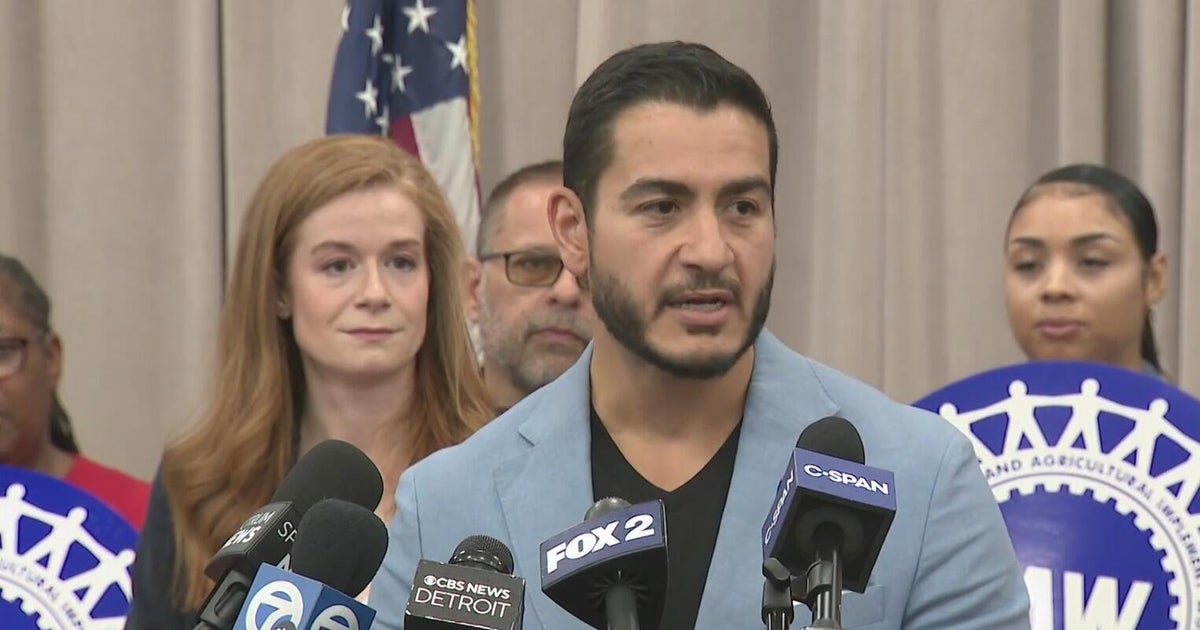
A recent initiative by a group of Michigan Jewish leaders has sparked a significant dialogue in the political landscape surrounding the candidacy of Democratic Senate nominee Abdul El-Sayed. This coalition has initiated a petition aimed at pressing El-Sayed and other political contenders to commit to essential values about Jewish safety and their stance on Israel. They argue that these commitments are crucial for them to maintain support from the Jewish community in Michigan.
The Jewish Community’s Political Concerns
Rabbi Josh Whinston, one of the prominent leaders of this petition, stated in an interview that the urgency of this initiative extends beyond just El-Sayed. It reflects a broader sentiment among the American Jewish community, which feels increasingly marginalized by both ends of the political spectrum. As political tensions rise, Jewish voters are voicing their challenges regarding feeling politically homeless. Rabbi Whinston emphasized the importance of dialogue and clear communication on these topics, suggesting that many Jewish individuals in Michigan are reconsidering their political affiliations.
El-Sayed, a former public health official in Michigan, previously won the Democratic nomination amidst a competitive primary. His campaign has been notably marked by his criticism of the Israeli government and AIPAC, a powerful pro-Israel lobbying group. While he argues that expressing dissent regarding Israel does not equate to anti-Jewish sentiment, the backlash from his comments and alliances has raised eyebrows. His past associations with controversial figures, like leftist podcaster Hasan Piker, have drawn further scrutiny regarding how Jewish voters perceive his commitment to their safety.
The Petition’s Core Principles
The petition outlines five foundational commitments that they seek from all candidates aiming for the Jewish community’s backing. These include ensuring Jewish safety, granting Jewish individuals the right to self-define their identities, respecting Jewish sovereignty in Israel, encouraging full political participation from Jewish Michiganders, and fostering a positive vision for the Middle East. The coalition stresses that political support must be earned, not taken for granted. The petition is viewed as an invitation for candidates to actively engage in understanding and addressing the unique concerns of the Jewish community.
While El-Sayed has faced criticism, his campaign highlights multiple meetings held with Jewish organizations and community leaders. He has claimed his commitment to Jewish safety parallels that of his own family. This has been received with mixed feelings. Some community leaders, like Rabbi Whinston, feel that El-Sayed’s recent apologies and statements have not adequately addressed the nuances of their concerns, particularly regarding rhetoric that could be perceived as harmful.
Community Response and Future Outlook
In light of these developments, Michigan’s Jewish community appears to be in a state of uncertainty. Many voters are signaling that they are undecided on how they will vote in the upcoming elections, with some expressing a desire to hear clear and affirming messages from both El-Sayed and his Republican opponent, Mike Rogers. As the November elections approach, conversations around candidate qualifications and their treatment of Jewish issues will significantly influence voting patterns.
Moreover, the Michigan Senate race is poised to be vital in determining control of the Senate. Despite the Democratic Party’s recent challenges, with a history of strong support from Jewish voters, candidates now need to actively bridge gaps and strengthen relationships within this pivotal demographic. As Rabbi Starr stated, regardless of election outcomes, Jewish voices must see accountability and support, ideally leading to a more inclusive political atmosphere for the upcoming cycle and beyond.
As this petition continues to make waves, it will demand that candidates not only listen but also respond with actionable commitments aimed at ensuring a productive coalition with the Jewish community in Michigan.