
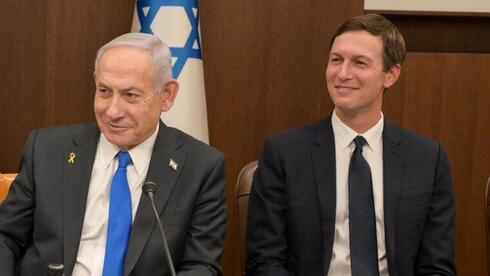
A recent exposé by investigative journalist Matthew Cole has cast a shadow over Jared Kushner’s role during Donald Trump’s presidency, particularly concerning alleged covert financial operations. In his forthcoming book, Cole reveals intricate ties between Kushner, influential Gulf leaders, and Israeli Prime Minister Benjamin Netanyahu—claims that have sparked substantial controversy and legal implications.
Allegations of Secret Financial Arrangements
According to Cole’s claims, financial dealings exceeding $2 billion were orchestrated through networks in the United Arab Emirates, Saudi Arabia, and Israel. Key to these allegations is a supposed $1 billion transfer to an account at Israel’s central bank. Kushner’s attorney has denied these arrangements, contesting their validity. However, the intricate web of finances depicted in Cole’s book raises serious questions about transparency and ethical governance.
Kushner’s purported involvement began with discussions among high-ranking officials, including UAE leader Mohamed bin Zayed and Saudi Crown Prince Mohammed bin Salman, who were said to have initially considered a fund of over $10 billion to align with Trump’s political priorities. As that plan evolved, it allegedly facilitated access for Kushner to foreign funds that operated outside the typical oversight of the U.S. government.
Alleged Fund Channels and Their Implications
One of the most notable claims in Cole’s narrative highlights a reported transfer of $1 billion through Azerbaijan in 2018, intended for Kushner. It is alleged that Netanyahu advised Kushner to channel these funds into an account with the Bank of Israel, thereby obscuring personal connections to the money. Though the Bank of Israel does not manage personal accounts, this maneuver purportedly aimed at masking Kushner’s direct involvement raises pressing ethical questions regarding conflicts of interest for a senior government adviser.
Furthermore, the account in question, identified as Alpha, is said to have been linked to the Watani Al Emarat Foundation, a government-backed charity in the UAE. This arrangement ostensibly allowed Kushner, designated as an authorized signatory, access to significant funds without formal ownership. The foundation has also been described as a vehicle for facilitating covert operations, blurring lines between humanitarian and military expenditures.
Diplomatic Endeavors vs. Financial Influence
Cole stresses that these purported financial dealings intertwined with broader diplomatic strategies in the region, primarily aimed at reshaping U.S.-Middle East relations. Mohammed bin Salman sought to solidify his power, while bin Zayed desired to shift U.S. policy away from previous agreements with Iran. Kushner’s efforts to establish Israeli-Palestinian peace and bolster relations between Israel and Gulf nations were, according to Cole, intricately tied to these questionable financial arrangements.
Moreover, Cole details potential legal ramifications stemming from these allegations. A former prosecutor involved in Robert Mueller’s investigation indicated that engaging in agreements for political influence in exchange for money could infringe upon federal bribery laws. While these claims are not an indictment of Kushner, the possibility of legal scrutiny looms large, given the robust nature of the allegations.
In conclusion, while Kushner’s team maintains that all dealings were appropriately sanctioned by Trump and aligned with U.S. interests, unresolved questions remain about the legitimacy of these accounts. The intersection of alleged financial operations and diplomatic engagements raises critical concerns about accountability, oversight, and the ethical standards expected from public officials. As this narrative unfolds, it suggests a need for further investigation into the complex relationship between personal financial interests and government policy.