
The Vatican has expressed profound apprehension regarding the enforcement of a U.S.-brokered agreement aimed at disarming Hezbollah, the Iran-supported militant group, in southern Lebanon. This development comes amidst ongoing tensions in the region, particularly concerning the presence of Israeli forces.
Concerns Over Implementation of the Trilateral Agreement
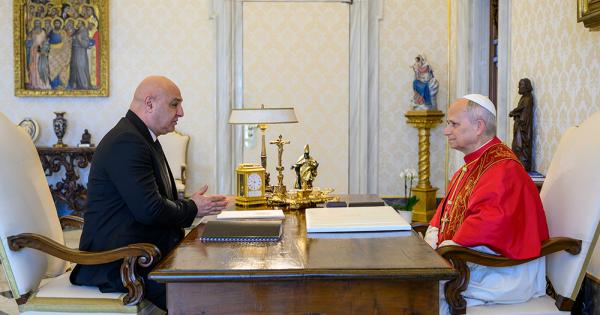
In a notable announcement following a 30-minute discussion between Pope Leo XIV and Lebanese President Joseph Aoun on August 20, the Vatican detailed its reservations about the execution of a Trilateral Framework Agreement. This agreement was established by the United States, Israel, and Lebanon to facilitate a structured withdrawal of Israeli troops and to initiate the disarming of Hezbollah. The Vatican praised the signing of the agreement but underscored the complexities that have arisen during its implementation, indicating its readiness to support Lebanon in navigating these challenges.
The Trilateral Framework Agreement, signed in June, outlines the establishment of initial “pilot zones” in southern Lebanon, which currently remains under Israeli military control. These designated areas are intended to transfer authority to the Lebanese Armed Forces, thereby fostering stability and security in the region. However, critics have pointed out significant issues, such as the absence of a definitive timeline for Israeli withdrawal. Subsequent negotiations between Israel and Lebanon have not made substantial progress, further deepening frustration among observers of the agreement.
Impact of Israeli Military Actions on Lebanon
In the lead-up to the agreement’s signing, reports indicated that Israeli military actions have left nearly one-fifth of Lebanon’s territory uninhabitable. These actions commenced with a ground invasion in March and have included evacuation orders that significantly affected the lives of many Lebanese residents. This context underscores the urgency for a resolution to the ongoing hostilities, and the Vatican’s concerns reflect a broader wish for peace in the region.
After the Vatican meeting, President Aoun’s office released a statement in which he expressed his gratitude to Pope Leo XIV for the pontiff’s ongoing support in Lebanon’s quest for full Israeli withdrawal. In his address, he appealed for further assistance from the Holy See in rebuilding the devastated areas and facilitating the return of displaced individuals to their homes. This emphasizes the humanitarian angle of the crisis, highlighting the need for international support to restore peace and rebuild communities.
Future Diplomatic Efforts
While in Rome, President Aoun is also set to meet with Italian Prime Minister Giorgia Meloni, indicating a continued push for international backing in addressing the Lebanese situation. The Lebanese president’s appeal aligns closely with the Vatican’s advocacy for peace and resolution in the Middle East. Previous visits by Pope Leo XIV to Lebanon demonstrated his commitment to fostering dialogue and reconciliation across the region, urging all parties to abandon cycles of violence and seek constructive solutions.
As the situation develops, the Vatican’s involvement signifies a recognition of the complexities at play and the critical need for a unified effort to achieve stability in southern Lebanon. The ongoing discussions surrounding the Trilateral Framework Agreement and its implementation will be central to shaping the future trajectory of both Lebanese sovereignty and regional security. The plight of many Lebanese residents, who continue to bear the consequences of conflict, remains at the forefront of these diplomatic efforts.