
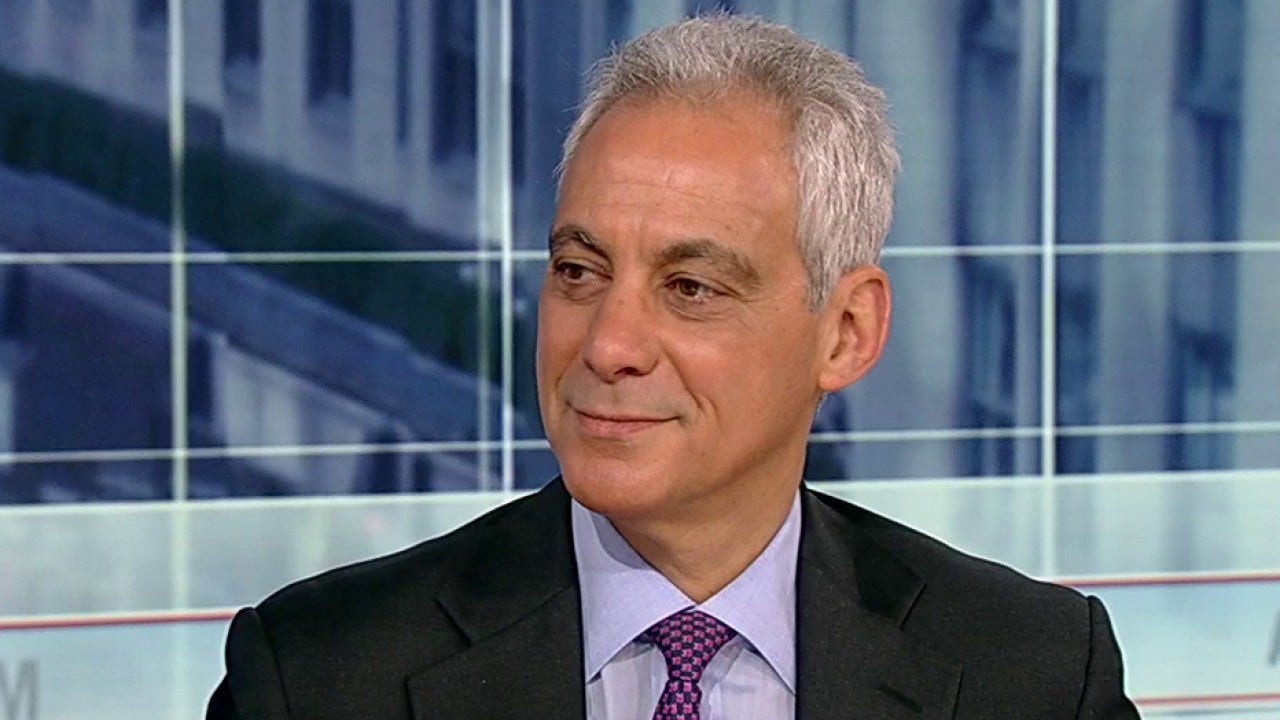
Israeli Prime Minister Benjamin Netanyahu recently discussed the strong bond between the U.S. and Israel in an exclusive interview. He emphasized the shared values and mutual objectives that unite both nations, particularly concerning Iran’s nuclear ambitions. However, during a recent commentary, Rahm Emanuel, a potential candidate for the Democratic presidential nomination, raised concerns regarding the future of this alliance, suggesting that major changes are needed for it to survive.
The Shift in U.S. Support for Israel
Emanuel, who has long been known as a staunch supporter of Israel, expressed that unconditional support must give way to a more nuanced approach. His remarks came amidst declining approval for Israel among some American demographics, particularly younger voters who are increasingly vocal about their discontent with Israel’s actions in Gaza. He warned that the longstanding alliance cannot continue in its current form, especially in light of the ongoing military conflicts and rising antisemitism observed in the U.S.
Emanuel’s remarks were particularly pointed as he stated that America’s reluctance to address some of Israel’s domestic policies over the years has contributed to the deterioration of the political climate within the country. He believes that this “blind eye” has not served Israel’s interests and called for a reevaluation of what the U.S. can do to support Israel authentically and effectively. In his address at Tel Aviv University, he stressed that unconditional support has led to complacency, suggesting that Netanyahu’s administration has acted under the assumption that its actions would have no consequences.
Calls for Reform in Israeli Policies
Rahm Emanuel pointed out that the relationship between Israel and the U.S. is at a critical juncture. He indicated that if Israel desires to maintain this crucial alliance, it must adopt significant changes. His remarks come at a time when support for Israel is waning both domestically and internationally. He referenced recent polling data that suggests a divide in the Democratic Party regarding the conflict in Gaza, with a growing faction advocating for reduced military aid and questioning Israel’s actions.
Emanuel highlighted a pivotal aspect of his speech: the need for a “new and fundamentally different approach” to the U.S.-Israel relationship. He called for a shift away from the traditional two-state solution idea, proposing instead a more complex 23-state solution that involves the cooperation of Arab nations. This proposal aims to address the historical grievances and political realities in the region while fostering a new governing authority capable of sustaining peace and recognizing Israel’s fundamental connection to the land.
The Future Outlook for U.S.-Israel Relations
The implications of Emanuel’s remarks are significant for the future of U.S.-Israel relations. Polling data indicates a notable increase in Americans, particularly Democrats, who believe that Israeli actions in the ongoing conflict in Gaza should be reevaluated. Many view these actions as excessive and calling for a reassessment of U.S. military aid. Emanuel’s speech suggested that if Israel wishes to shift perceptions and rebuild its support, both domestically and internationally, it must engage in real dialogues that address these concerns.
In summary, Rahm Emanuel’s recent comments suggest an urgent need for a reevaluation of the U.S.-Israel alliance. By advocating for significant policy changes and reframing traditional approaches to conflict resolution in the region, Emanuel aims to promote a more balanced and sustainable path forward that could redefine the future of this pivotal relationship. As discussions evolve, it will be essential for both nations to navigate these complexities together to foster mutual respect and enduring peace.