
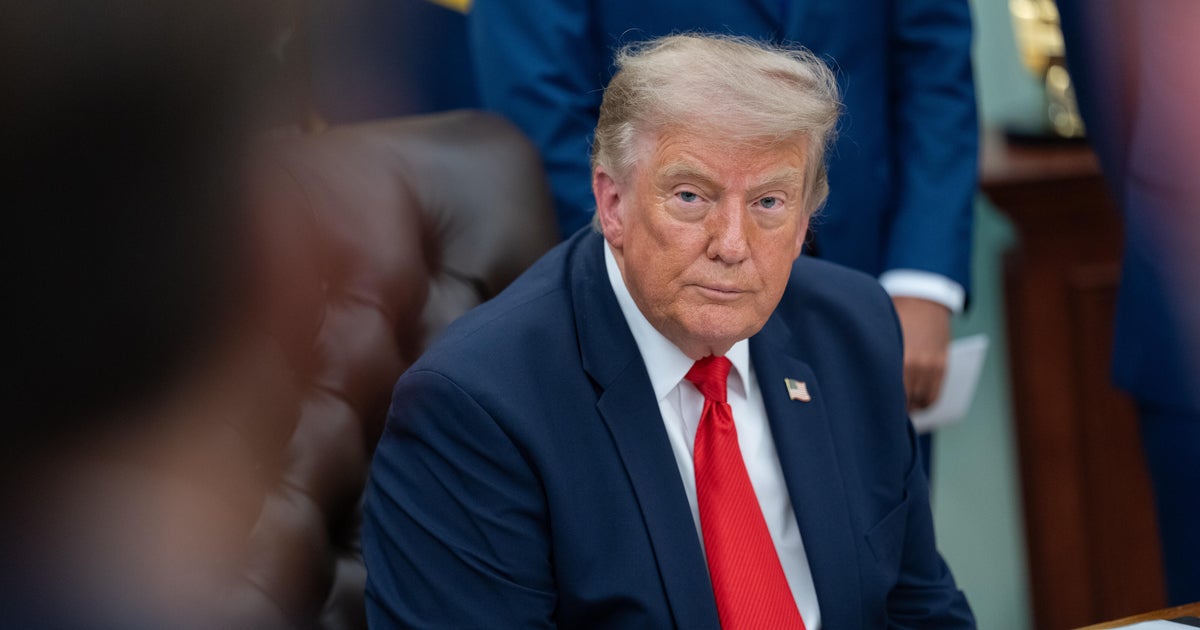
The ongoing conflict involving the U.S. and Israel in Iran has dramatically shifted the geopolitical landscape in the Middle East. With President Trump evaluating his next steps, the urgency to reopen the Strait of Hormuz becomes increasingly paramount as tensions escalate with Iran’s hardline regime.
Assessment of Iran’s Strategy
In a recent meeting with President Trump and Vice President JD Vance, Saudi Defense Minister Prince Khalid bin Salman emphasized that Iran is likely seeking to gain leverage through escalating conflicts. His assertions highlight Iran’s intricate web of influence via proxy forces, notably the Houthis in Yemen and various militias in Iraq. While Prince Khalid’s planned trip to Washington was initially delayed, it underscores the Kingdom’s commitment to understanding Iran’s maneuvers in the region.
In a show of force, Saudi Arabia coordinated with the U.S. to engage Iranian-backed militias in Iraq, marking the first time any Persian Gulf nation has taken such public military action in response to the conflict. The Saudi-led strikes resulted in the death of multiple individuals, including Iranian military advisors, as part of what the Kingdom termed defensive measures. This indicates that Saudi Arabia is wary of further escalating tensions, given that the conflict has now extended into its sixth month.
Israeli Perspective and Military Options
Crown Prince Mohammed bin Salman and his brother have expressed concern that Israeli Prime Minister Benjamin Netanyahu’s push for intensified military action could exacerbate regional instability. During a recent conversation with Trump, Netanyahu outlined three strategic options: pursuing a deal that focuses on eliminating nuclear materials, imposing a blockade to increase economic pressures, and executing targeted military strikes to disrupt supply routes. This clinical discussion reflects the complexity and high stakes of the ongoing conflict.
However, the reality is that the originally proposed brief duration of the conflict by Netanyahu—merely four to six weeks—has proven overly optimistic. A senior Israeli official reiterated the importance of economic sanctions and blockades as potential tools to bring a more diplomatic approach from Iranian officials. Interestingly, the conversation acknowledged that the regime in Tehran may not be easily swayed toward negotiations.
Regional Dynamics and Broader Impacts
As tensions escalate, the United Arab Emirates has conducted airstrikes against Iranian targets, albeit without public acknowledgment. This is part of a broader military effort by Gulf allies, including Kuwait and Bahrain, who have faced consistent drone and missile threats—a situation exacerbated by attacks on Saudi civilian infrastructure. Notably, both Kuwait and Bahrain have maintained a public denial of participating in strikes against Iran, highlighting the delicate balance these nations seek to maintain amid rising tensions.
Furthermore, Iran’s financial support for its proxies remains intact, with evidence of continued funding flowing to groups like Hezbollah, amid recent encounters with the Israeli Defense Forces. As U.S. forces oversee pilot zones in Lebanon, the dynamics there remain fluid, with CENTCOM urging Israel to withdraw to allow the Lebanese Army to regain control.
In summary, the intricacies of the U.S.-Israeli military strategy in Iran reflect a multi-layered struggle that integrates diplomatic, economic, and military components. Both regional allies and foes are closely watching developments, as the potential for further escalation looms large in an already volatile landscape.