
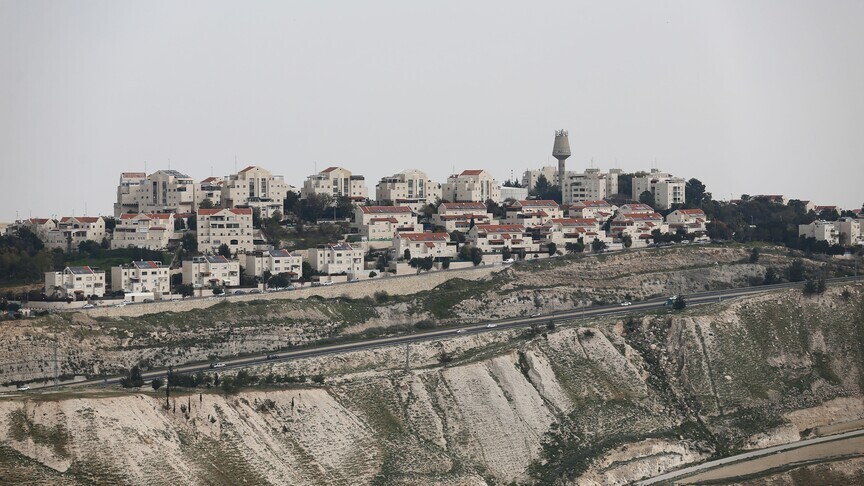
The ongoing discourse surrounding Israeli expansionism, particularly under its current right-wing government, raises significant geopolitical and humanitarian concerns. With leaders openly expressing aspirations for a greater Israel—from the Nile to the Euphrates—territorial ambitions stretch far beyond Palestine, affecting relations with neighboring countries and the broader Middle East.
Israeli Expansionist Ideology
The ideological framework underpinning Israeli aspirations hints at a profound desire for territorial expansion based on historical and religious claims. For instance, Finance Minister Bezalel Smotrich has articulated a vision that comprehensively includes not only historical Palestine but also significant territories in Jordan, Saudi Arabia, and parts of Iraq and Syria. His comments reflect an aggressive approach to national identity, where the Jewish state is viewed as essential to the region’s future. His assertion that “Jerusalem is destined to extend as far as Damascus” signals a troubling intent for expansion that resonates with the far-right factions of Israeli politics.
Settlement efforts and military operations have frequently targeted areas like Mount Hermon and southern Lebanon. These ambitions echo back to significant events such as the 1948 Nakba and the 1967 Naksa, which led to widespread Palestinian displacement. Today, Israeli restrictions remain entrenched, symbolizing an ongoing commitment to maintaining control over Palestinian territories while extending influence into neighboring regions.
Rejection of Palestinian Statehood
The Israeli political landscape predominantly rejects the notion of a Palestinian state. Legislative actions, such as the Knesset’s vote against Palestinian statehood, underline a resolute stance against any political recognition. The resolution not only frames a Palestinian state as a threat to Israel but also likens its establishment to a reward for perceived acts of terrorism. Statements from Prime Minister Benjamin Netanyahu reinforce this sentiment, declaring a strong opposition to the creation of a Palestinian nation.
This denial of Palestinian agency is not a recent phenomenon. It traces back to the expulsions and occupations that began in 1948, further intensified by military actions in subsequent decades. The 1993 Oslo Accords, which seemed to set the stage for potential Palestinian sovereignty, have been systematically undermined by Israeli policies, contributing to a cycle of violence and displacement.
International Perspectives and Reactions
The intensity of conflict has drawn varying international responses. Recent events following October 7, 2023, have witnessed a marked increase in violence, resulting in substantial Palestinian casualties and displacement. International law and UN resolutions supporting Palestinian self-determination conflict starkly with ongoing Israeli expansionist policies. Notably, over 150 countries recognize Palestine; yet, settlement expansions continue unabated in various Palestinian regions, inciting diplomatic tensions and humanitarian crises.
European nations have taken firmer stances against Israeli settlement practices, with several implementing sanctions on entities associated with such activities. Countries including Denmark and the UK have labeled these actions as ethnic cleansing. This led to heightened diplomatic strains, including the closure of the British Consulate in Jerusalem when faced with charges from UK officials regarding Israeli practices.
The Concept of Terrorism Versus Ethnic Cleansing
The varying frameworks through which settlement activities are analyzed often pivot between terms like “ethnic cleansing” and “terrorism.” Ethnic cleansing encapsulates systematic efforts to remove Palestinians, aimed at territorial annexation, while terrorism has been used more selectively to describe acts of violence within this broader context.
This duality reflects the complexities and challenges present in the Israeli-Palestinian conflict. Ongoing settlement activities and the humanitarian crisis in Gaza illustrate efforts geared toward establishing an Israeli state that stretches beyond its recognized borders. The motivations behind such actions point to an underlying drive toward comprehensive national control, further complicating the path to a peaceful resolution.
In conclusion, understanding the interplay between Israeli ideological ambitions, the international response, and the plight of the Palestinian people is critical for addressing the profound injustices that continue to shape this enduring conflict.