
Ilnur Cevik, a prominent figure in Turkish journalism and politics, has previously held significant roles, including editor-in-chief of the Turkish Daily News and chief adviser to various Turkish leaders. His insights into the complex relationships between nations are worth noting, especially in light of current tensions.
Netanyahu’s Political Maneuvering
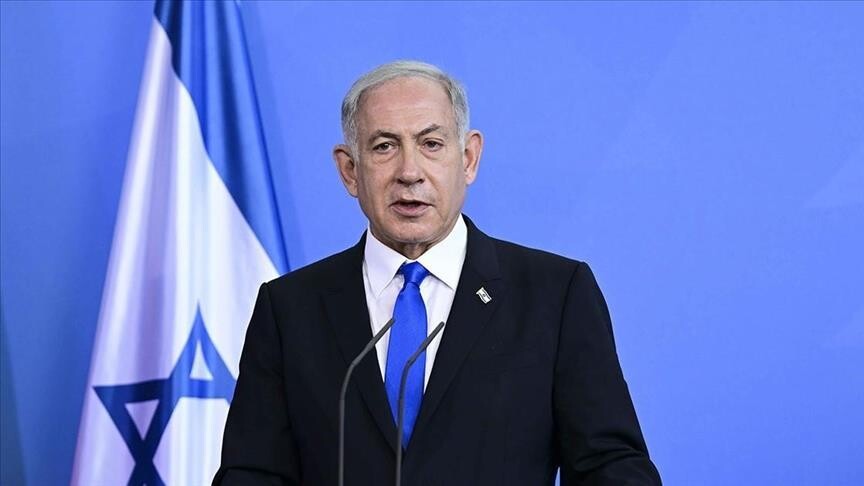
Israeli Prime Minister Benjamin Netanyahu, often referred to as Bibi, seems to be charting a precarious course as he seeks new opponents to bolster his standing ahead of the upcoming late October elections. With his credibility waning due to corruption charges and increasing dissatisfaction among conservative supporters, he appears to have zeroed in on Türkiye as a new adversary. Netanyahu’s strategy includes wartime aggression, such as the sustained bombardment of the Gaza Strip, coupled with a military standoff with Iran. The objective is clear: to present himself as the defender of Israeli security and win back voter confidence.
However, as pressure mounts and public sentiment begins to change in Israel, Netanyahu has strategically pivoted towards Türkiye, unveiling new tensions and potentially escalating confrontations in the region. This shift suggests that, rather than addressing the ramifications of his controversial policies, Netanyahu is seeking to divert attention to external conflicts.
Personal Grudges Fueling Tensions
Netanyahu’s actions reflect a personal vendetta against Turkish President Recep Tayyip Erdogan. The relationship between Türkiye and Israel remains fragile, largely hinged on Netanyahu’s ongoing leadership. His government continually fans the flames of discord, particularly as Türkiye’s influence has grown in Syria. While the United States has positively engaged with Türkiye on its recovery efforts in Syria, Netanyahu seems intent on impeding these developments, viewing them as a threat rather than an opportunity for regional cooperation.
The choice to treat Syria as a battleground rather than a potential zone for stability is puzzling. Reports indicate that Türkiye may establish an airbase near Aleppo, but this move poses no credible threat to Israel’s security. In fact, if Turkey had hostile intentions, the geographical distance from Aleppo would hardly alter its military capabilities. Netanyahu’s decision to target a base in Aleppo might be more about political theatrics than genuine strategic concerns.
Türkiye: A Stabilizing Force in the Middle East
Türkiye stands as a significant player in the region and a vital member of NATO, boasting the second-largest military in the alliance after the United States. With a history of mediating conflicts—from Ukraine and Russia to Iran and the U.S.—it has consistently sought peace in a tumultuous landscape. Notably, Türkiye has not shown expansionist intentions despite its seasoned military background from years of counterterrorism efforts against the PKK in various locations.
Even during the most turbulent times, Türkiye has affirmed Israel’s right to exist and has advocated for the peaceful coexistence of both Israeli and Palestinian children. Analysts suggest that a breakthrough in Turkish-Israeli relations is intrinsically linked to Netanyahu’s departure from power. The persistence of his adversarial approach only complicates any potential for reconciliation, leaving the future uncertain for both nations.
In conclusion, the underlying tensions between Türkiye and Israel warrant careful examination. As political strategies continue to unfold, the international community should advocate for dialogue, as constructive relations may pave the way for regional stability in a volatile landscape.