
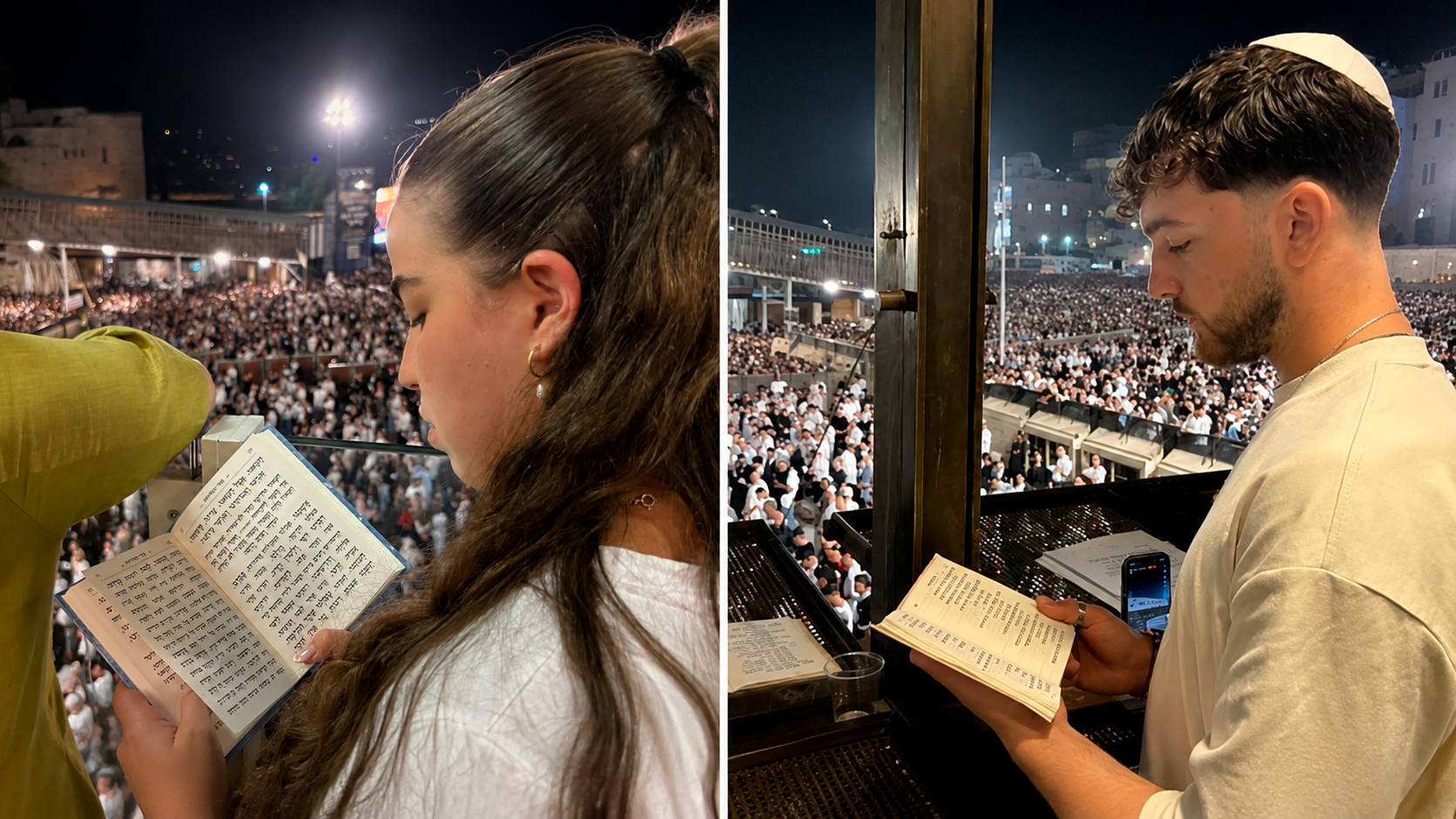
On Thursday evening, approximately 50,000 individuals came together at the Western Wall in Jerusalem for an extensive Selichot prayer service. This gathering served as a significant preparation for the upcoming Jewish High Holidays, drawing both locals and visitors to the sacred site.
Notable Attendees and the Importance of Selichot
Among the prominent figures present were former hostages Agam Berger and Bar Kuperstein, as well as Foreign Minister Gideon Sa’ar and soldiers of the Israel Defense Forces (IDF) who have endured physical or psychological injuries in combat. The collective atmosphere of this event underscored a deep sense of community and shared purpose as individuals across different backgrounds united in prayer.
Since the beginning of the Hebrew month of Elul, Selichot services have seen remarkable participation, with over 150,000 attendees at the Western Wall plaza according to event organizers. These traditional Jewish prayers, known for their themes of repentance and the seeking of forgiveness, are recited during the critical period leading up to Rosh Hashanah (the Jewish New Year) and Yom Kippur (the Day of Atonement).
The Significance of Siglichot Prayers
Selichot prayers emphasize themes of atonement, forgiveness, and a plea for divine protection and mercy. Typically recited during the early hours of the morning or late at night, these prayers foster a spirit of reflection and introspection. The large congregational gatherings at the Western Wall in the weeks leading up to the High Holidays highlight the communal aspect of this observance, making the experience all the more powerful for many participants.
During Thursday’s event, Rabbi Shmuel Rabinowitz, the Rabbi of the Western Wall, led the prayer service, surrounded by a sea of worshippers. Special prayers were dedicated to the safety and welfare of IDF soldiers, security personnel, and the overall security of Israel, reflecting the current climate of concern and unity among the Israeli populace.
Increased Participation Amid Current Challenges
This year’s gatherings for Selichot have drawn particularly large crowds due to ongoing conflict and heightened focus on the safety of soldiers, civilians, and hostages. As tensions continue to rise, the prayers serve not only as a means of spiritual reflection but also as a collective expression of hope and solidarity during challenging times.
Looking ahead, another significant Selichot gathering is set for the night between Saturday and Sunday at 12:15 a.m., with expectations of tens of thousands of participants. These events continue to demonstrate the enduring resilience and faith of the Jewish community during critical moments leading up to their most sacred holidays.