
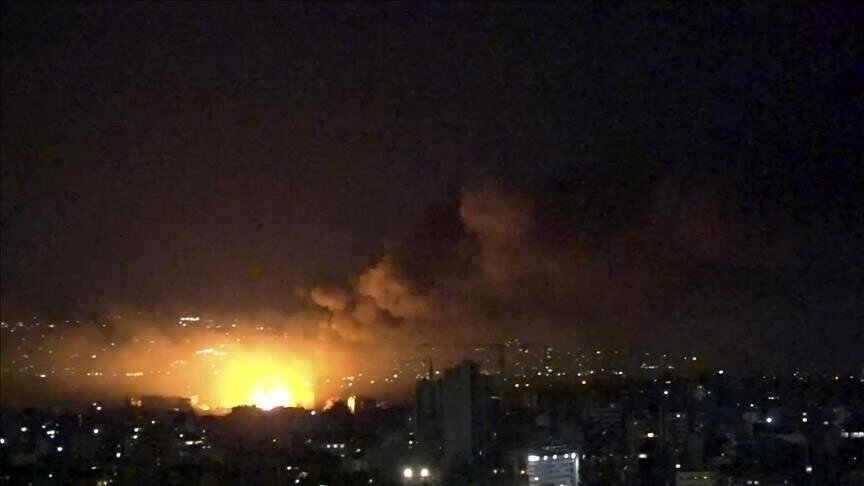
Israeli airstrikes have intensified in southern Lebanon, causing significant disruptions and escalating regional tensions. On Friday, Lebanese state media reported multiple strikes by Israeli warplanes, marking a notable uptick in military activity along the border. The situation highlights the fragility of security in the area and underlines ongoing geopolitical tensions.
Details of the Airstrikes
According to the National News Agency of Lebanon, the airstrikes commenced after 2 AM local time, with notable attacks in the town of Mansouri. Villagers reported a series of explosive sounds resonating across several communities in southern Lebanon. Israeli military operations also targeted the towns of Hadatha and al-Tiri in the Bint Jbeil region, further illustrating the widespread nature of these strikes. Moreover, mock air raids conducted over Tyre and adjacent areas added to the atmosphere of concern and fear among residents.
Strategic Targets in Focus
In addition to the raids over Mansouri, Israeli forces focused on strategic locations such as Ali al-Taher hill near Nabatieh al-Fawqa and surrounding areas like Dabsha hill and Dawhat Kfar Remman. The airstrikes were accompanied by artillery shelling aimed at these hills, intensifying the military narrative. The choice of these specific targets suggests an attempt to undermine perceived threats from Hezbollah and disrupt any operational capabilities the group may possess.
Context of Rising Tensions
The recent escalation follows a significant increase in hostilities that began on March 2, when Israel launched extensive military operations aimed at Hezbollah. This assault prompted retaliatory actions from Hezbollah, effectively breaching the ceasefire that had been in place since November 2024. The conflict’s resurgence has reignited fears of a larger confrontation and showcases the inability of diplomatic efforts to mitigate escalating tensions.
International Diplomatic Efforts
In response to the rising violence, international diplomatic channels, particularly those led by the United States, are actively seeking to forge new security arrangements between Israel and Lebanon. Efforts are focused on addressing several key issues, including the potential withdrawal of Israeli forces from Lebanese territory and the establishment of security protocols along the border. However, Lebanon has firmly demanded a halt to Israeli military incursions and insistence on total withdrawal, placing the onus on Israel to make significant concessions.
The current situation remains fragile, with any miscalculation by either side potentially exacerbating the conflict. The complexities of regional politics and the ongoing role of Hezbollah necessitate careful consideration by all parties involved in the negotiation process. As airstrikes continue and tensions simmer, the need for a sustainable peace framework becomes increasingly critical.