
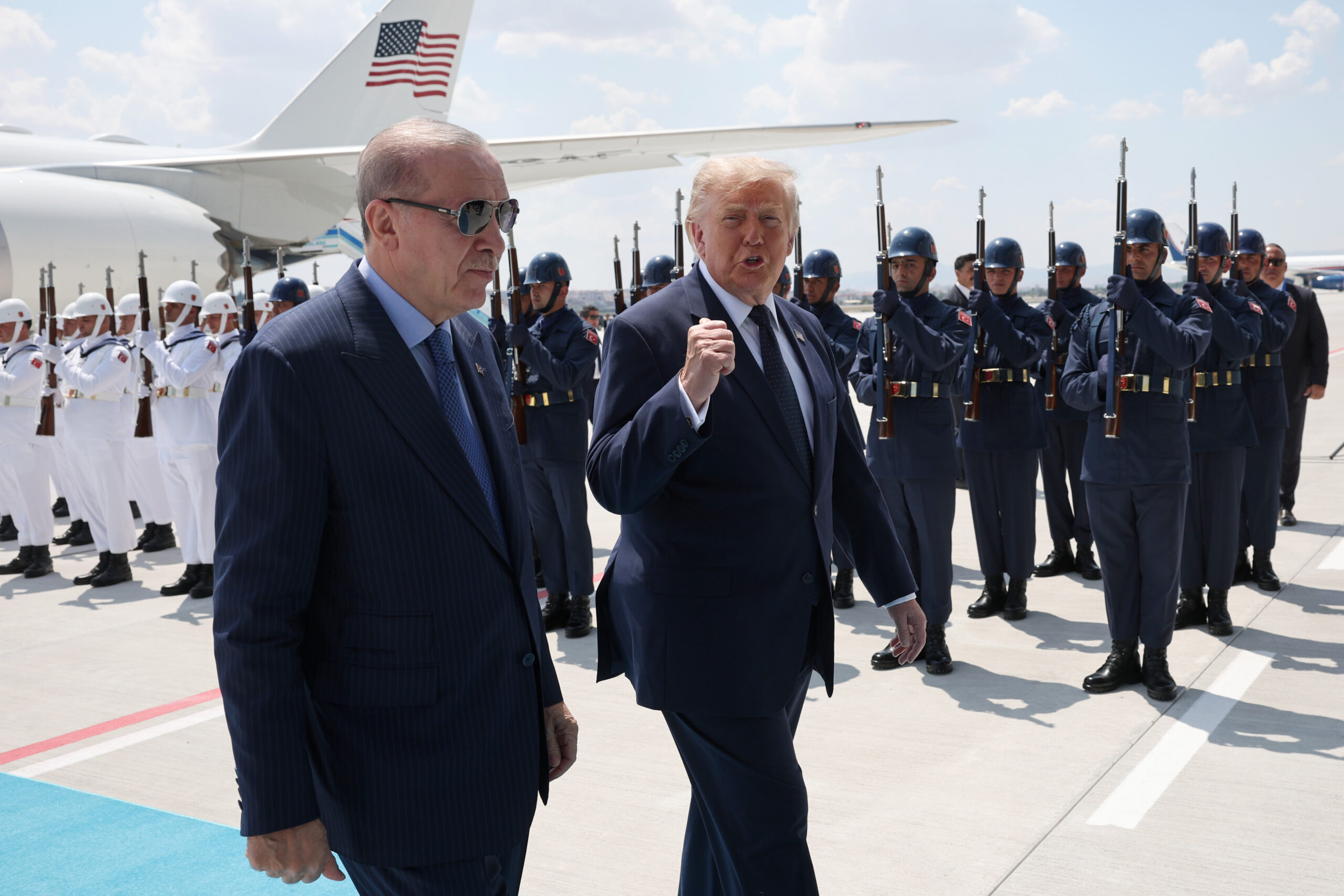
Is Donald Trump poised to compromise Israel’s security for political maneuvering?
The proposed sale of F-35 fighter jets to Turkey has ignited concerns within Israel, signaling a potential rift between two key regional players: Israel’s Prime Minister Benjamin Netanyahu and Turkey’s President Recep Tayyip Erdoğan. This situation raises questions about the future strategic balance in the Middle East and Israel’s qualitative military edge.
Growing Tensions and Historical Context
This unfolding drama showcases a stark shift in relations that were once cooperative. Just three years ago, Netanyahu and Erdoğan were engaging in diplomatic talks, planning reciprocal state visits. However, the dynamics fractured dramatically following Hamas’s attacks on October 7, permanently altering the geopolitical landscape. Turkey’s continued support for Hamas and its allegations of Israeli actions constituting genocide have only exacerbated hostilities. Recently, Israel’s recognition of the Armenian genocide, a move criticized by Ankara, adds another layer of complexity to this already strained relationship.
President Trump’s administration has reignited these tensions by indicating a willingness to allow Turkey back into the F-35 program—an action that Israel regards with alarm. Military analysts from Israel are flagging serious ramifications, as such a sale could enable Turkey to enhance its military capabilities, further complicating Israel’s position in the region. Avner Golov, a national security consultant, emphasizes that while not explicitly deemed an enemy, Turkey’s actions against Israel position it as a significant rival.
Strategic Implications of the F-35 Sale
Israel’s deep-seated anxiety about the F-35 sale stems from fears that it could disrupt the delicate military balance. Former Israeli Air Force planners note that Turkey’s past partnership in the F-35 program had stemmed from friendly relations; however, hostility has since altered this narrative. The advanced capabilities of the F-35 could substantially elevate Turkey’s military standing, undermining Israeli security. Analysts warn that Turkey’s increasing military prowess might lead to aggressive postures that threaten Israel.
According to experts, Turkey’s geopolitical ambitions—bolstered by alliances with Qatar and aspirations that include opposition to Israel—present a clear challenge. Israel must ensure that any advancements in Turkey’s military capacity do not translate into tangible threats against its sovereignty. As Golov articulated, it’s imperative for Israel to maintain its military superiority to counter Erdoğan’s ambitions and avoid undermining its own security.
The Road Ahead
Israeli officials are preparing for the likelihood that the F-35 deal will ultimately go through, albeit with the hope that legislative resistance in Congress and bureaucratic hurdles in the military procurement process could delay the implementation. Former U.S. ambassador Dan Shapiro suggests that Israel could mitigate risks by engaging in strategic discussions with the U.S. to contain Turkish military capabilities, should the sale proceed.
Despite these concerns, Shapiro assures that the Israeli air force will likely remain technologically advanced, potentially years ahead of any corresponding capabilities that Turkey might achieve with the F-35. However, this confidence is tinged with anxiety about the evolving political landscape, particularly comments from U.S. officials indicating a diminishing global support network for Israel. Many in Israel are left pondering how to maintain their status as a key ally to the U.S. amidst these shifting tides.
Ultimately, the situation underscores a complex interplay of international relationships, military strategy, and domestic politics. As Israel navigates these challenges, the overarching question remains: How can it secure its interests while adapting to the uncertainties brought forth by potentially adversarial alliances?