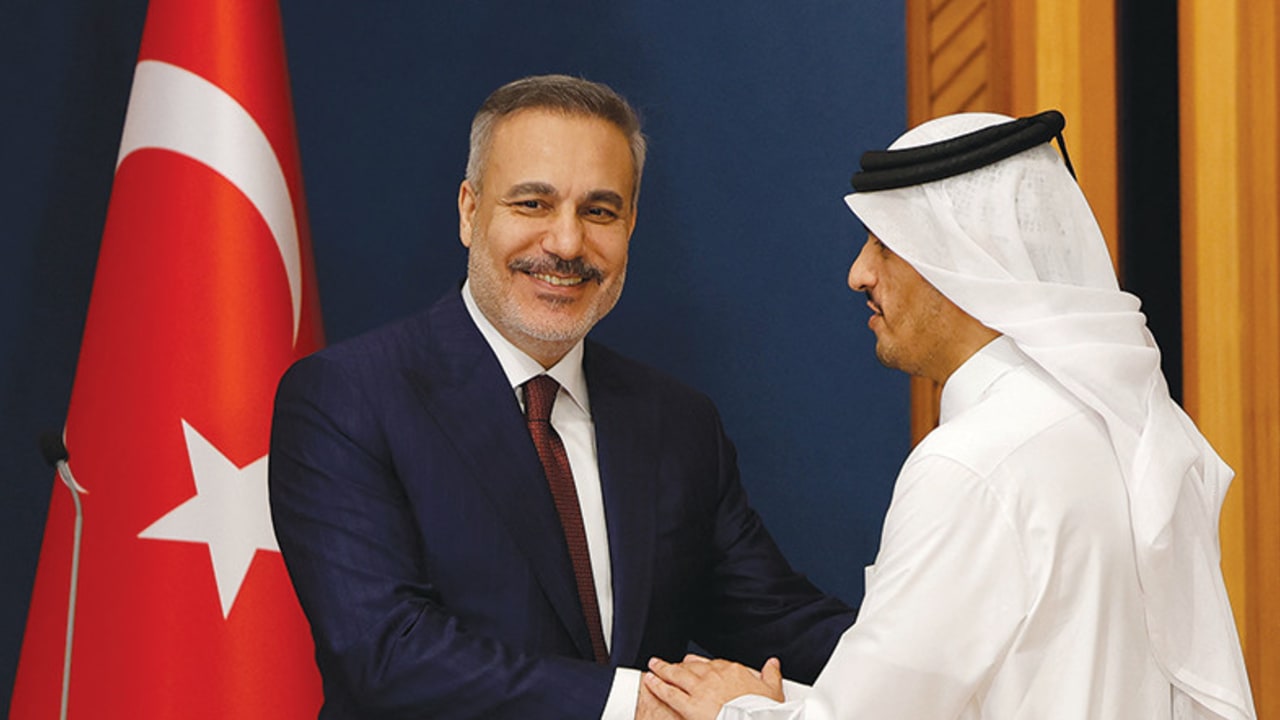
In recent trends within the Middle Eastern geopolitical landscape, Turkey’s increasing influence has become a focal point for numerous analysts and policymakers. As a key player alongside Qatar and Pakistan, Turkey is spearheading a burgeoning Sunni Islamic alliance that warrants closer examination due to its potential ramifications for regional stability and international relations.
The Formation of a New Sunni Bloc
The emerging alliance led by Turkey, Qatar, and Pakistan seeks to establish a counterweight to existing power structures in the region, particularly those of Saudi Arabia and Egypt. This coalition aims to expand its influence by enticing these nations into its fold, likely altering the dynamics of power within the area.
Turkey’s strategic approach combines maintaining strong ties with the United States and other Western nations while concurrently aligning itself with anti-Western Islamist factions. This dual strategy has proven to be a cornerstone of Turkey’s elevation as a significant regional hegemon, with implications for U.S. foreign policy and interests.
Opposition to Israel
This alliance has also adopted a pronounced anti-Zionist stance. Senior Turkish officials have increasingly vocalized their opposition to Israel, framing their narrative within a discourse that depicts Zionism as a collective threat not just to Turkey but to the wider Muslim community. Such rhetoric poses challenges for Israel and complicates the already fraught relationships in the region.
Turkish President Recep Tayyip Erdoğan has underscored this sentiment in recent speeches, wherein he characterized Zionism as a “genocidal” ideology that necessitates action not only for Turkey’s survival but for that of the broader Ummah. This commitment to resisting perceived aggressions invites scrutiny regarding the future of diplomacy in the region.
Turkey’s Influence in Syria
Turkey plays a pivotal role in shaping the political landscape of Syria, supporting various Sunni Islamist factions. Most notably, it has backed the rising regime of President Ahmed al-Sharaa and remains a critical actor behind the Syrian opposition. The Turkish government has facilitated military training programs aimed at creating a formidable new Syrian army, which underscores its ambitions to establish a new order in Syrian governance.
Notably, many leaders within the Syrian forces have been linked to Turkey and concurrently designated by the U.S. Treasury for serious human rights violations. As Turkey collaborates with these factions, it raises concerns regarding the ethics and implications of its military engagements, especially in relation to its alliances with Western nations.
Strategic Partnerships in the Region
Turkey’s evolving partnerships with countries like Qatar and Pakistan reflect a sophisticated engagement strategy that melds economic interests with defense collaborations. Both Turkey and Qatar have cemented their positions through joint military efforts and mutual economic dependencies, which reinforce their stance on political Islam across various fronts.
Pakistan, on its part, finds a valuable partner in Turkey, with arms imports and investments mutual interests. As these countries deepen their collaboration, they not only bolster their respective regional standings but also create new avenues for diplomatic initiatives, suggesting they are positioning themselves as mediators in future international conflicts.
Keeping an eye on these developments is essential, as the tripartite alliance of Turkey, Qatar, and Pakistan marks a significant shift in the Middle Eastern geopolitical landscape. The intertwining of Islamist aspirations with strategies that engage with Western powers creates a complex environment that necessitates careful navigation. This evolving dynamic poses challenges for Israel and the West in crafting coherent policies suited to maintain stability in an increasingly theocratic and militarized region.