
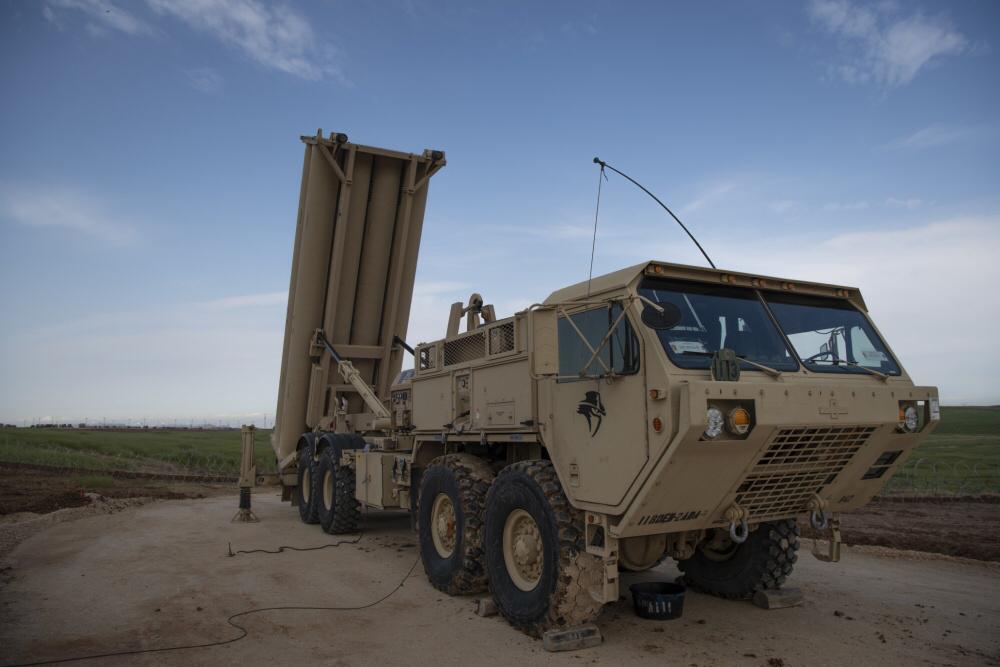
The recent conflict involving Iran has seen the United States heavily engaged in missile defense operations to protect Israel. Reports indicate that the US has depleted more than half of its stock of THAAD anti-missile interceptors in this endeavor, showcasing the intensity of the threat posed by Iranian missile fire.
The Scale of US Involvement in Israel’s Defense
During the ongoing conflict, the US military has launched over 200 THAAD interceptors aimed at neutralizing missiles aimed at Israeli territories. In addition to these, more than 100 SM-3 and SM-6 interceptors were also deployed, a staggering figure compared to Israel’s own defensive efforts, which utilized fewer than 100 Arrow interceptors and approximately 90 from the David’s Sling system. The Pentagon has expressed concerns, suggesting that if hostilities with Iran resume, an even greater number of interceptors may be required, especially since Israel has sent some of its missile defense batteries for maintenance.
A US official was quoted as stating that Israel’s capability to wage and win conflicts independently is overrated, as the full extent of military collaborations remains unseen. In response, a Pentagon spokesperson downplayed the notion of a disparity in defense burden-sharing, asserting that ballistic missile interceptors are just one element within a larger defense network.
Israel’s Stance on Military Readiness
The Israeli Embassy in Washington has contested any insinuation of inadequacies in their missile defense. They highlighted that the US lacks any military partner comparable to Israel regarding operational readiness and shared interests. In light of claims regarding insufficient interceptors, Israeli officials swiftly approved plans to boost Arrow interceptor production. This proactive approach suggests a commitment to maintaining robust military readiness in the face of escalating threats.
Despite initial skepticism about the adequacy of US munitions, US officials reiterated their confidence in possessing sufficient offensive and defensive capabilities. This assertion came after reports indicated a potential need to conserve interceptors, reinforcing the delicate balance of military resources at stake.
The Impacts of Missile Attacks
The consequences of the conflict have been severe, with around 650 ballistic missiles launched from Iran, resulting in the tragic deaths of 21 Israeli civilians and foreign nationals, alongside four Palestinians in the West Bank. Many of these missiles employed conventional warheads, inflicting significant damage to populated areas. There were numerous incidents involving cluster bomb warheads as well, further complicating the humanitarian landscape.
Israel’s multi-layered air defense system is designed to counter this multifaceted threat, incorporating various interceptors like the Arrow systems. The Arrow 2 and Arrow 3 missiles target threats both within and outside the atmosphere, albeit at substantial costs of several million dollars per interceptor and a lengthy production timeline shrouded in secrecy for security reasons.
As the conflict unfolds, the collaboration between the US and Israel remains pivotal, emphasizing the complexities of missile defense in a volatile geopolitical landscape. Their partnership not only seeks to mitigate immediate threats but also aims to destabilize Iran’s military capabilities effectively, thereby creating an environment conducive to potential internal change within the Iranian regime.